

How to Keep Cats Out of Your Yard and Garden
Stray and feral cats can wreak havoc on your carefully cultivated gardens, using flower beds as litter boxes and damaging plants and vegetables. If you’re frustrated with unwanted feline visitors, you’re not alone. The good news is that there are numerous humane and effective methods to deter cats from your outdoor spaces without causing them harm. This comprehensive guide covers proven strategies to protect your yard and garden while maintaining compassion for these animals.
Understanding the Problem
Cats are naturally drawn to soft soil in gardens because it resembles their preferred litter box environment. Their keen sense of smell and desire to bury their waste makes flower beds, vegetable gardens, and landscaped areas particularly attractive. Rather than resorting to harmful methods, humane deterrents work by making your garden less appealing or more uncomfortable for cats to access and use.
Motion-Activated Sprinklers: An Effective Technology Solution
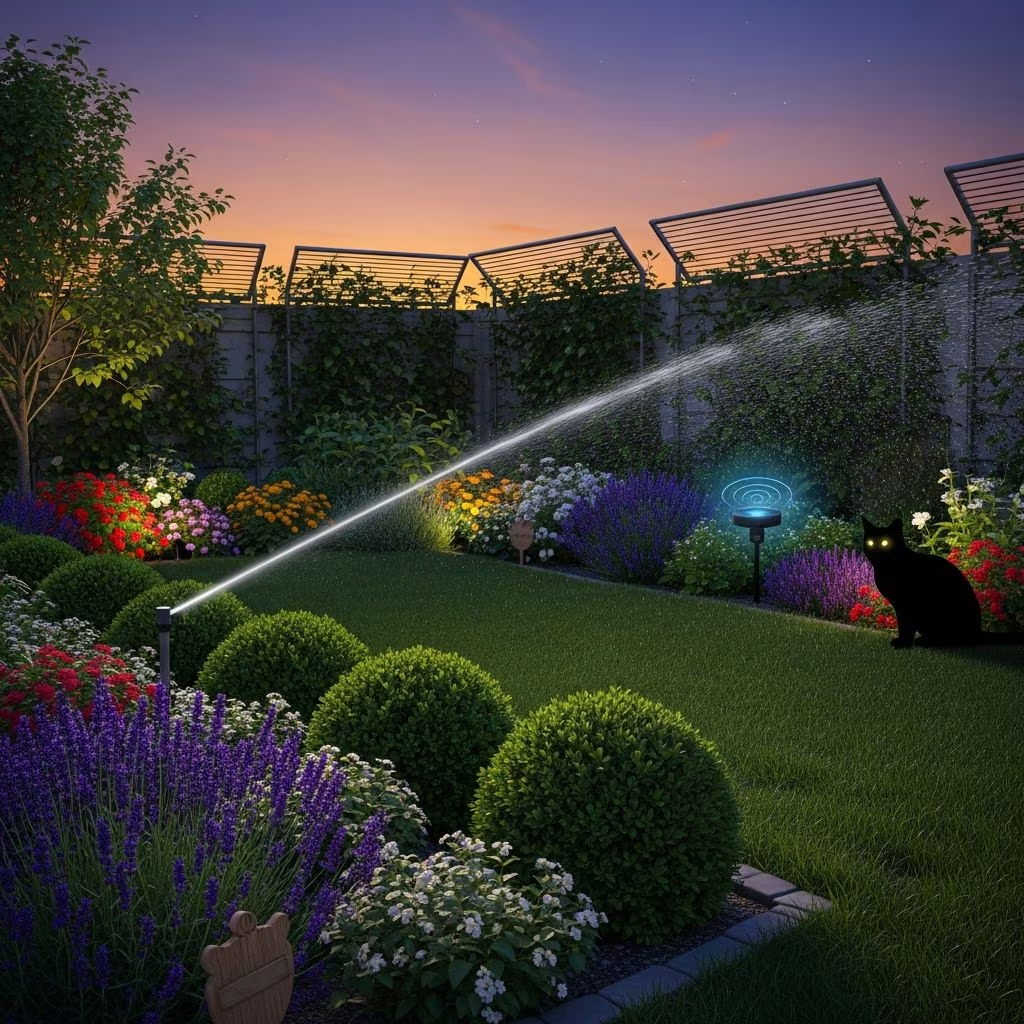
Motion-activated sprinklers stand out as one of the most popular and successful cat deterrents, particularly for larger yards. These devices utilize infrared sensors to detect movement and release a sudden burst of water when triggered. The unexpected spray startles cats without causing injury, and over time, cats learn to avoid the protected area entirely.
These sprinklers typically cover an area of approximately 35 by 45 feet and can fire up to 1,000 times on a single nine-volt battery. They connect directly to your garden hose and require minimal maintenance. Popular models include the CatStop and ScareCrow devices, which have earned strong reputations among gardeners and trap-neuter-return (TNR) groups. The initial investment pays dividends as cats quickly learn to avoid the infrared field and won’t attempt to re-enter treated areas.
Physical Barriers: Creating Uncomfortable Surfaces
One of the most effective approaches to deterring cats involves making the soil surface uncomfortable or difficult to dig in. Several physical barrier methods can accomplish this goal:
Chicken Wire and Fencing
Small-gauge chicken wire laid flat across garden beds serves as an excellent digging deterrent. Install the wire firmly into the dirt, rolling the sharp edges under to prevent injury to cats and other animals. Alternatively, you can place the wire with the sharp side facing up and cover it lightly with soil. This method works because cats dislike the uncomfortable texture and will seek digging opportunities elsewhere. Landscape fabric and poultry fencing offer similar benefits and can be cut to fit around shrubs and plants, then covered with rocks or topsoil.
Spiked Mats and Carpet Runners
Plastic carpet runners with spikes or scat mats feature flexible plastic spikes that are entirely harmless to cats and other animals but effectively discourage digging. Place these mats spike-side up directly on the soil or slightly buried. These reusable mats can be repositioned as needed and offer an attractive appearance compared to bare fencing.
Natural Mulch and Decorative Elements
Cover exposed ground in flower beds with uncomfortable materials that cats avoid:
- Large river rocks or pea gravel creating a “moat” around plants
- Coarse mulch that’s uncomfortable for cat paws
- Pine cones distributed throughout garden beds
- Concrete pavers or lava rocks as decorative mulch alternatives
- Ceramic shards or shells on the soil surface
Chopsticks and Stick Barriers
Embed wooden chopsticks, dowels, or sticks with dull points deep into the soil, spacing them approximately eight inches apart with tops exposed about six inches above ground. This creates an uncomfortable environment for cats attempting to dig while remaining relatively invisible in the landscape. For potted plants, simply push chopsticks into the soil to prevent cats from accessing the pots.
Lattice and Branch Patterns
Arrange branches in lattice-type patterns or install actual lattice fencing material over soil. This discourages digging while adding visual interest to your garden. The overlapping pattern makes it difficult for cats to find soft areas suitable for their needs.
Scent-Based Deterrents: Offensive Odors Cats Dislike
Cats possess highly sensitive olfactory systems, and certain scents naturally repel them. Strategic use of these odors can effectively discourage cats from entering specific areas:
Aromatic Herbs
Planting specific herbs creates a natural barrier that cats find offensive:
- Rue: One of the most effective cat-repelling herbs; plant it in beds or sprinkle dried rue over gardens and landscaping
- Lavender: Pleasing to humans but unpleasant for cats
- Rosemary: Both a culinary herb and effective cat deterrent
- Pennyroyal: A naturally occurring repellent herb
- Coleus Canina (Scaredy Cat Plant): Known particularly for its cat-repelling properties
Keep herbs in pots if they’re invasive in your region, allowing you to move them as needed and maintain control over their spread.
Citrus and Kitchen Scents
Cats are deterred by sharp, citrus scents. Scatter citrus peels (lemon, orange, or grapefruit) around raised beds and plantings. However, this method requires regular replacement as peels decompose and lose potency quickly. Other effective scents include garlic, ammonia, vinegar, coffee grounds, pipe tobacco, mustard, citronella, and eucalyptus. Coffee grounds offer the dual benefit of serving as a fertilizer while repelling cats.
Commercial Scent Repellents
Products containing cinnamon oil and thyme oil create natural repellents designed specifically for cats. These sprays must be reapplied frequently, especially after rain or watering, to maintain effectiveness.
Creating Alternative Cat Spaces
Rather than purely discouraging cats, consider providing designated areas where they’re welcome. This humane approach redirects cat behavior away from your gardens:
Alternate Litter Areas
Establish a contained, out-of-the-way cat toilet area away from your desired garden spaces. Fill this area with sand-style litter and add catnip to make it irresistible. This gives cats an appropriate place for their business while protecting your plants and flowers from soiling.
Shelter Provisions
Provide outdoor shelter for stray and feral cats in secluded areas far from where you don’t want them. Hidden shelters keep cats safe while encouraging them to settle away from your valued garden spaces. Many feral cat shelter designs are available online, including DIY options that are inexpensive to construct.
Fencing Solutions for Comprehensive Protection
For those seeking more permanent solutions, specialized cat-proof fencing products offer excellent results:
Fencing Options
| Fencing Type | Description | Best For |
|---|---|---|
| Netting Fencing | Most commercial cat-fencing products use netting that cats cannot scale | Keeping cats out of specific areas |
| Rolling Bar Systems | Products like Oscillot use rolling bars on top of existing fences; bars spin when cats attempt to climb | Warm climates without freeze risks |
| Free-standing Options | Portable fencing that doesn’t require attachment to existing structures | Temporary protection or rental properties |
Chicken Wire Installation
Physically block or seal locations where cats enter with chicken wire or lattice. Before installation, carefully ensure that no cats or kittens are already trapped inside the areas you’re sealing. Check multiple times to prevent unintentionally trapping animals.
What NOT to Use: Dangerous Deterrents to Avoid
While seeking solutions, avoid methods that pose health risks to cats and other wildlife:
- Mothballs: Contain pesticides toxic to all animals, insects, and humans; should never be placed loose in gardens
- Predator urine products: Often obtained through inhumane means; unreliable in effectiveness
- Harmful chemicals: Any substance that could poison or seriously injure cats
Creating a Multi-Method Approach
The most effective strategy combines several deterrent methods. Consider layering approaches for maximum success:
- Install motion-activated sprinklers for large yard areas
- Place physical barriers like chicken wire or scat mats in garden beds
- Plant cat-repelling herbs around garden perimeters
- Add uncomfortable mulch materials to exposed soil
- Provide an alternative litter area and shelter away from gardens
This comprehensive approach addresses multiple sensory deterrents—making digging uncomfortable, creating offensive smells, and startling cats with unexpected water—making your garden significantly less attractive as a destination.
Maintenance and Ongoing Care
Deterrent effectiveness requires regular maintenance. Physical barriers need inspection to ensure they remain properly positioned. Scent deterrents require frequent reapplication, particularly after rain or garden watering. Motion-activated sprinklers need battery checks and seasonal adjustments. Consistency in maintenance directly correlates with continued success in keeping cats away.
Frequently Asked Questions
Q: Do motion-activated sprinklers actually work on cats?
A: Yes, motion-activated sprinklers are highly effective. Cats quickly learn to avoid the infrared field after a few triggerings. The device startles without harming them, making it one of the most successful deterrent methods available.
Q: Is chicken wire harmful to cats?
A: When properly installed with sharp edges rolled under, chicken wire is harmless to cats. It simply creates an uncomfortable surface that discourages digging without causing injury.
Q: How often do I need to replace citrus peels?
A: Citrus peels decompose and lose potency relatively quickly, typically within 1-2 weeks depending on weather conditions. Replace them regularly for ongoing effectiveness.
Q: Can I use mothballs in my garden?
A: No, mothballs should never be used in gardens. They contain toxic pesticides harmful to all animals, including cats, dogs, wildlife, and humans.
Q: What’s the best overall strategy for cat deterrence?
A: Combining multiple methods works best. Use motion-activated sprinklers for large areas, physical barriers like chicken wire in beds, scent deterrents like rue, and uncomfortable mulch materials for comprehensive protection.
Q: Should I provide shelter for outdoor cats?
A: Yes, providing hidden shelter in secluded areas away from your valued gardens is humane. This keeps cats safe while encouraging them to stay away from spaces where you don’t want them.
Q: How long before cats learn to avoid treated areas?
A: With consistent motion-activated sprinklers and physical barriers, most cats learn to avoid areas within days to weeks. The key is maintaining deterrent consistency.
References
- Humane & Natural Stray & Feral Cat Deterrents & Repellents — Alley Cat Allies. 2024. https://www.alleycat.org/community-cat-care/humane-deterrents/
- Humane Outdoor Cat Deterrents — Best Friends Animal Society. 2024. https://bestfriends.org/pet-care-resources/humane-outdoor-cat-deterrents
- How to Keep Stray Cats Away — Humane World for Animals. 2024. https://www.humaneworld.org/en/resources/how-keep-stray-cats-away
- How to Stop Cats from Turning Your Garden Into Their Litter Box — Garden Betty. 2024. https://gardenbetty.com/keep-cats-out-garden/
- How to Keep Cats Off My Yard and Out of My Garden — Best Friends Animal Society (YouTube). 2024. https://www.youtube.com/watch?v=vMywPSBD7CQ



