

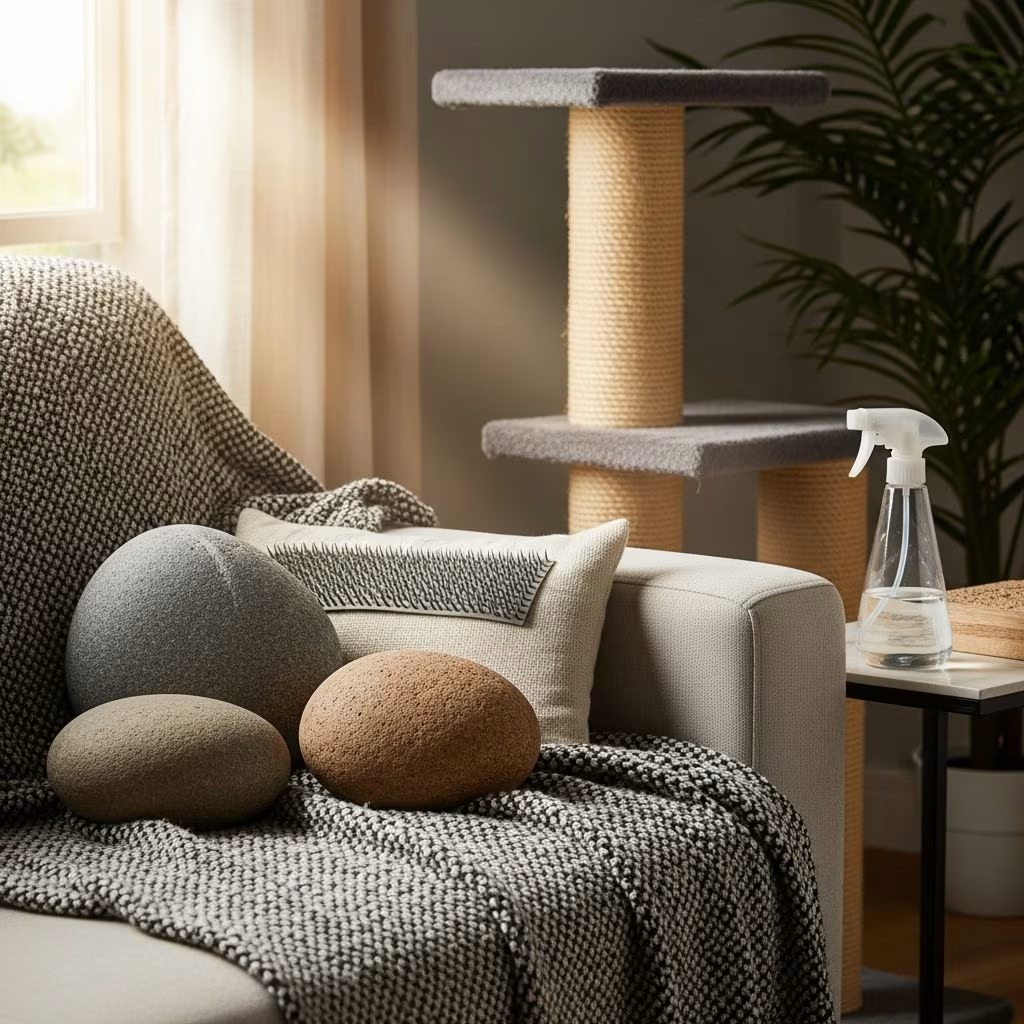
Cats love to scratch and perch on furniture, but this can lead to damaged couches, chairs, and tables. Understanding why cats engage in these behaviors—such as claw maintenance, marking territory, or seeking high vantage points—is key to effective solutions. This guide covers humane, proven methods to redirect your cat’s instincts, protect your home, and maintain a happy relationship with your pet.
Why Do Cats Scratch Furniture?
Cats scratch for several instinctual reasons. Primarily, they shed old claw sheaths to keep claws sharp and healthy, a natural grooming behavior essential for climbing and defense. Scratching also marks territory by leaving scent from glands in their paws and visually signals other cats. Stress or boredom can exacerbate this, leading cats to target soft surfaces like couches or armchairs.
- Claw maintenance: Removes dead layers from nails.
- Territorial marking: Deposits pheromones and visible scratches.
- Stretching and exercise: Engages muscles in paws, shoulders, and back.
- Attention-seeking: Especially if owners react strongly.
Addressing these needs with alternatives prevents damage without punishment, which can increase stress and worsen behavior.
Provide Proper Scratching Alternatives
The most effective first step is offering appealing scratching options that match your cat’s preferences. Sturdy posts covered in sisal rope, cardboard, or carpet mimic furniture textures. Place them near targeted areas like the couch to encourage redirection.
- Use vertical posts for upright scratchers and horizontal pads for floor-preferring cats.
- Sprinkle catnip or silver vine to attract use.
- Reward with treats or praise when your cat engages the post.
Products like the Sofa Scratcher Squared combine guards with scratchers, fitting snugly around furniture corners. Its durable sisal surface and stable design hold up for months, redirecting claws effectively. Door-mounted or adhesive scratchers protect specific spots like chair backs while allowing scratching in preferred locations.
Use Deterrents on Furniture
Make furniture unappealing with temporary barriers. Double-sided tape creates a sticky texture cats dislike; apply to legs, arms, or corners of couches, tables, and cabinets.
- Cut tape to fit high-traffic scratch zones.
- Test on inconspicuous areas to avoid residue.
Vinyl guards like Clawguard Furniture Shields offer durable, transparent protection. Installed with twist pins, they withstand claws on upholstery or carpet and can be trimmed for custom fit. Though visible, they last years without damaging most fabrics. Deterrent mats with crinkly, reflective surfaces annoy cats’ senses, covering entire couches or countertops.
| Method | Pros | Cons | Best For |
|---|---|---|---|
| Double-Sided Tape | Cheap, easy to apply | May leave residue, temporary | Legs, corners |
| Vinyl Shields | Durable, semi-permanent | Visible, pins may mark fabric | Couches, carpets |
| Deterrent Mats | Removable, multi-use | Bulky, noisy | Full surfaces |
Train Your Cat to Stay Off Furniture
Positive reinforcement training redirects behavior. Never yell or punish, as it builds fear. Instead, ignore unwanted actions and reward alternatives.
- When cat approaches furniture, calmly say “no” and guide to scratcher.
- Offer treats on the post immediately after.
- Use clicker training for precision rewards.
Consistency from all household members is crucial. For jumping, provide cat trees or shelves as high perches. Place toys or treats there to make them preferable. Over time, cats learn furniture is off-limits by choice.
Protect Furniture with Covers and Guards
Furniture slips or throws act as barriers. Choose textured covers cats avoid, like plastic or foil. For permanent solutions, adhesive pads shield wooden edges on tables, beds, and cabinets from scratches or chewing.
Draped scratchers cover arms or backs, protecting while permitting scratching. Flat sisal rugs safeguard carpets, walkable and replaceable if damaged. These hybrid solutions balance protection and cat needs.
Trim Nails and Use Soft Paws
Regular nail trims reduce damage. Gently clip clear tips every 10-14 days, rewarding cooperation. Introduce early with kittens using treats.
- Avoid quick (pink area with nerves).
- Desensitize paws by touching and rewarding daily.
Soft Paws nail caps are PVC covers glued over trimmed nails, lasting 4-6 weeks. They blunt scratches without hindering grip. Colors add fun, and cats adapt quickly.
Manage Stress and Boredom
Environmental enrichment prevents stress-induced scratching. Interactive toys, puzzle feeders, and daily play sessions (15-30 minutes) mimic hunting.
- Rotate toys to maintain interest.
- Window perches for bird-watching.
- Pheromone diffusers like Feliway calm nerves.
A multi-level cat tree offers scratching, climbing, and lounging, reducing furniture appeal. Vertical space satisfies territorial instincts indoors.
Choose Cat-Friendly Furniture
Microfiber or faux leather resists claws better than real leather or loose weaves. Tight-woven fabrics and sturdy woods endure pet life. Bel Furniture offers pet-resilient options like microfiber sofas.
If replacing, prioritize stability—wobbly pieces invite scratching for stability.
Frequently Asked Questions (FAQs)
Why is my cat suddenly scratching furniture?
Changes like new pets, moves, or stress trigger this. Address underlying causes with enrichment and vets rule out medical issues.
Will punishment stop scratching?
No, it increases anxiety and hiding. Use positive methods only.
How do I choose the right scratching post?
Match your cat’s style: sisal for rope-lovers, cardboard for shredders. Ensure stability and height for full stretches.
Are nail caps safe?
Yes, when applied correctly on trimmed nails. They grow out naturally.
What if nothing works?
Consult a vet or behaviorist for issues like anxiety. Combine methods for best results.
Implementing these strategies creates a scratch-free home. Patience yields results, as cats adapt over weeks. Your furniture stays pristine, and your cat remains content.
References
- How to Protect Your Furniture from Cats and Dogs — Bel Furniture. 2023-05-15. https://belfurniture.com/blogs/bel-blog/how-to-protect-your-furniture-from-cats-and-dogs
- The Best Products to Stop Cats From Scratching the Furniture in 2026 — Business Insider. 2026-01-10. https://www.businessinsider.com/guides/pets/how-to-stop-cat-from-scratching-couch
- Protecting Your Furniture From Cat Scratching — Class Act Cats. 2024-03-22. https://classactcats.com/blog/protecting-furniture-from-cat-scratching/
- How to Keep Cats Off Furniture — K&H Pet Products. 2024-11-08. https://khpet.com/blogs/cats/how-to-keep-cats-off-furniture



