

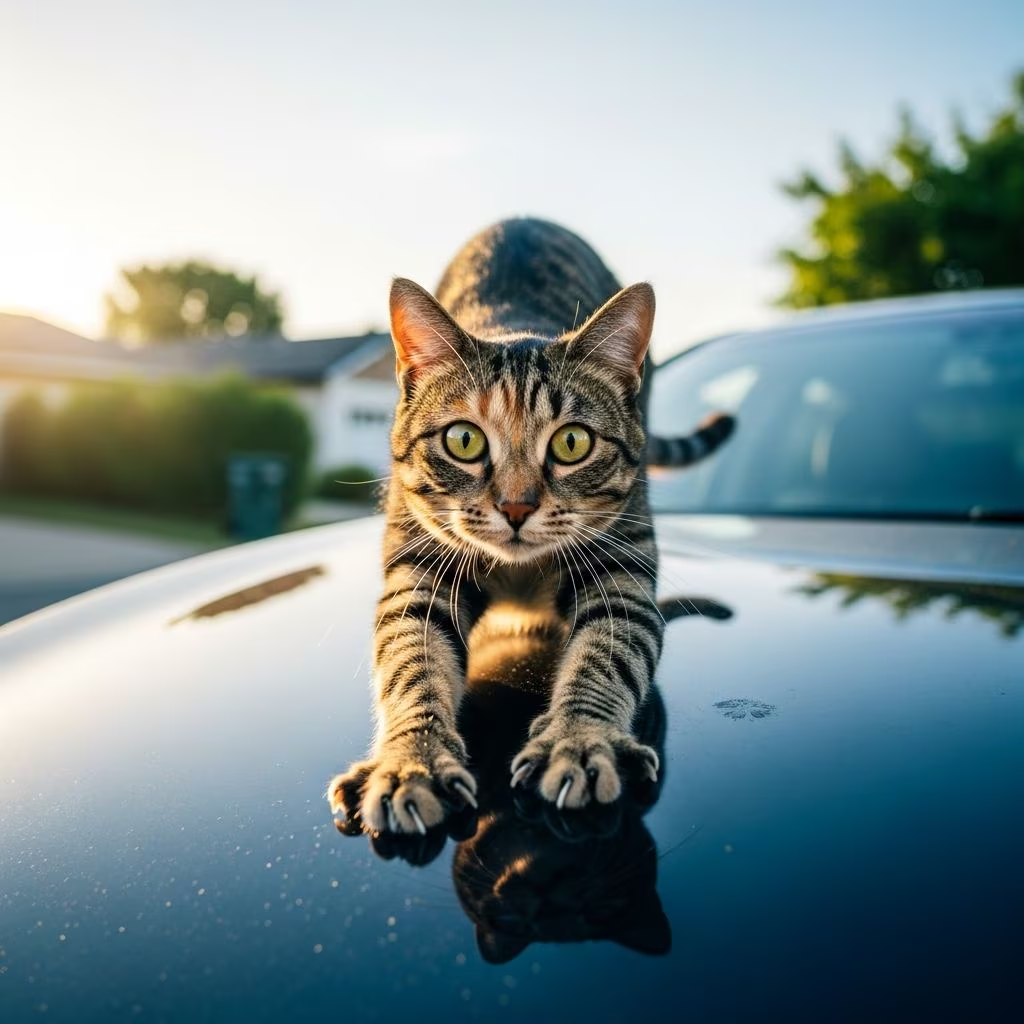
Cats love warm car hoods for lounging, but their claws can scratch paint and leave fur everywhere. This guide covers humane, effective methods to deter them, drawing from cat behavior insights and practical solutions.
Why Do Cats Climb on Cars?
Cats are drawn to cars for warmth from engines, reflective surfaces mimicking water, or high vantage points for territory surveying. Their natural instincts drive them to seek safe, elevated spots, especially at night when hunting urges peak. Cars provide an ideal perch, but this leads to scratches from claws and paw prints from dirty feet.
Understanding cat behavior helps: felines mark territory with facial pheromones via rubbing and prefer familiar, secure areas. A car’s smooth hood feels like a scratching post, while residual heat post-parking is irresistible in cooler weather. Neighborhood strays or your own cats may treat vehicles as playgrounds, exacerbating issues for owners.
Humane Deterrents for Cats on Cars
Focus on non-harmful methods that respect cats’ instincts while protecting your car. Avoid toxic substances or traps, prioritizing positive reinforcement and environmental changes.
- Motion-Activated Sprinklers: Devices like the Orbit Yard Enforcer detect movement and spray water bursts, startling cats without injury. Place near parking spots; effective for strays and pets.
- Citrus Peels or Sprays: Cats detest citrus smells. Scatter orange/lemon peels on hoods or use pet-safe sprays. Reapply after rain; combines scent aversion with natural biodegradability.
- Aluminum Foil or Plastic Mats: Cover hoods with crinkly foil or spiky mats. The texture and noise discourage settling. Remove daily to prevent weathering.
- Commercial Repellents: Products with natural oils like peppermint or eucalyptus create scent barriers. Choose cat-specific formulas without harmful chemicals.
Environmental Modifications
Alter your yard or driveway to make cars less appealing by providing better alternatives.
- Install cat trees, shelves, or perches nearby for climbing needs.
- Plant cat-repelling greenery like lavender, rue, or coleus canina around parking areas.
- Add bird feeders or baths away from cars to distract with natural entertainment.
- Use reflective tape or wind chimes; motion and shine mimic predators, prompting avoidance.
Secure trash bins to eliminate food sources attracting strays. Fences or netting prevent access to vehicles altogether.
Training Your Own Cats
For pet owners, positive training leverages cat psychology. Cats learn via association, rewarding desired behaviors.
- Carrier Conditioning: Pair carriers with treats to reduce overall stress, indirectly aiding car tolerance.
- Short Rides for Desensitization: Start with brief drives, praising calm behavior. Gradually extend; use pheromone sprays for comfort.
- Clicker Training: Teach ‘off’ commands with clicks and rewards. Studies show trained cats stress less in vehicles.
- Play Alternatives: Exhaust energy with toys mimicking prey, reducing hood lounging.
Neighborhood Cat Management
Stray or neighbor cats pose challenges. Humane approaches foster community solutions.
| Method | Pros | Cons | Effectiveness |
|---|---|---|---|
| TNR (Trap-Neuter-Release) | Reduces population humanely | Requires coordination | High long-term |
| Neighbor Communication | Builds rapport | May not resolve | Variable |
| Colony Feeding Stations | Diversion away from cars | Attracts more initially | Medium |
Discuss politely with neighbors; offer joint deterrents. Local shelters provide TNR resources.
Car Protection Products
Invest in durable covers: custom-fit hood protectors with anti-scratch mesh or vinyl. Some include scent-infused layers. Park in garages when possible for ultimate prevention.
Common Mistakes to Avoid
- Using ammonia or mothballs: toxic to cats and environment.
- Ignoring root causes: address instincts over punishment.
- Inconsistent application: deterrents fail without routine use.
Frequently Asked Questions (FAQs)
Why are cats attracted to car hoods?
Engine warmth, smooth surfaces for scratching, and elevated views mimic ideal perches.
Are citrus peels safe for cats?
Yes, in moderation; the scent repels without ingestion risk. Avoid essential oils, which can be toxic.
How long until deterrents work?
1-2 weeks with consistency; cats adapt slowly via habituation.
What if it’s a stray colony?
Implement TNR and feeding stations; contact animal control for support.
Can training stop my cat from jumping on cars?
Yes, via positive reinforcement and alternatives, reducing appeal.
Long-Term Solutions
Combine methods: deterrents + alternatives + training yield best results. Monitor via trail cams to refine approaches. Respect cats’ territorial nature for sustainable harmony.
Cat behavior experts emphasize enrichment: scratching posts, interactive toys curb unwanted habits. For car anxiety parallels, desensitization mirrors hood deterrence.
References
- Cats In Cars: Motion Sickness Or Anxiety? — Fully Feline. Accessed 2026. https://fullyfeline.com/cats-in-cars-motion-sickness-or-anxiety/
- How to train a cat — British Psychological Society. Accessed 2026. https://www.bps.org.uk/psychologist/how-train-cat
- Cat behavior — Wikipedia (informed by primary studies). Accessed 2026. https://en.wikipedia.org/wiki/Cat_behavior
- Cat Behavior 101: Decoding Your Cat — A Peaceful Farewell. Accessed 2026. https://www.apeacefulfarewell.com/the-paw-blog/cat-behavior-101-decoding-your-cat



