

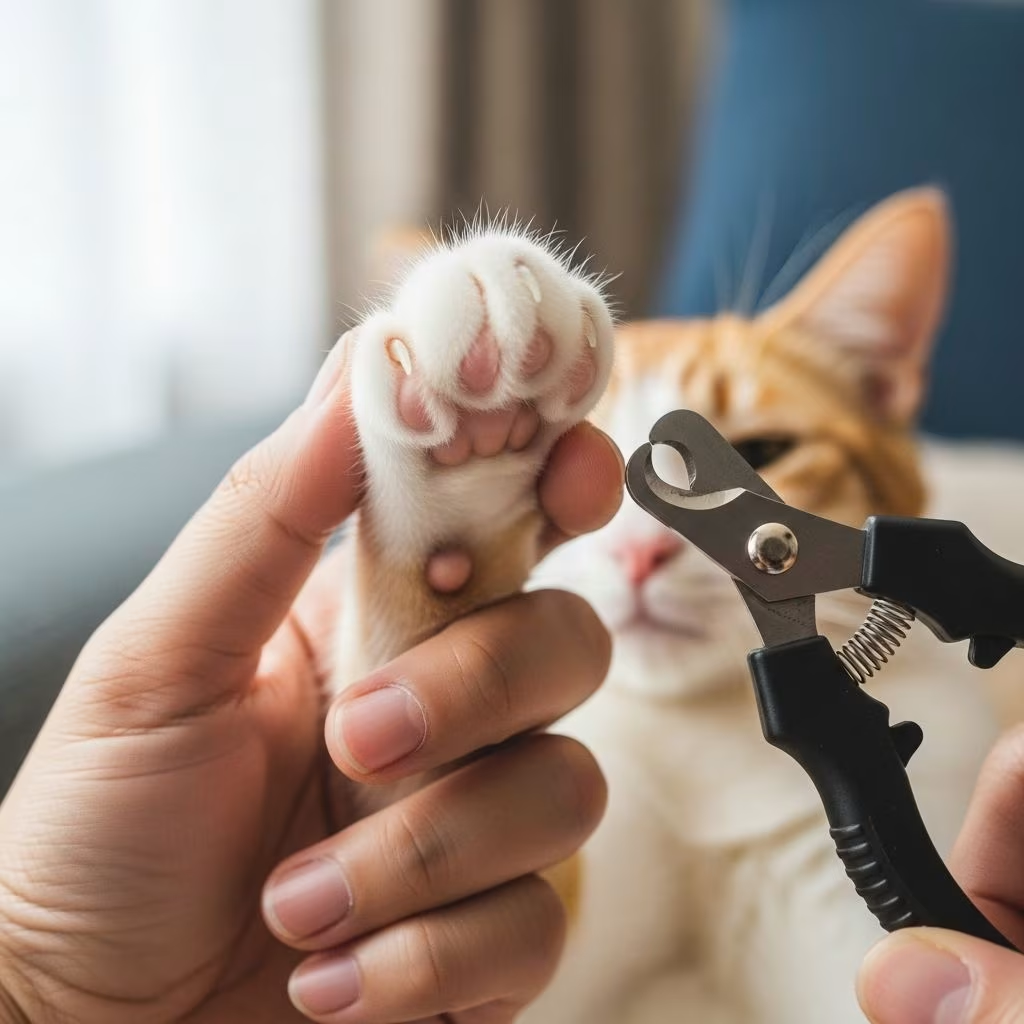
Healthy cat nails are crucial for your feline’s mobility, comfort, and overall well-being. Regular nail care prevents painful overgrowth, infections, and damage to your home while allowing natural scratching behaviors. Indoor cats, in particular, benefit from routine maintenance since they lack opportunities to wear down claws naturally on trees or rough surfaces. This comprehensive guide covers everything from understanding nail anatomy to safe trimming techniques, hygiene tips, and when to seek veterinary help.
Understanding Cat Nail Anatomy
Cat nails consist of a hard outer keratin shell surrounding the **quick**, a sensitive inner core containing blood vessels and nerves. The quick is visible in light-colored nails as a pink area; in dark nails, it’s hidden, requiring careful trimming to avoid pain and bleeding. Nails also include the **claw pad** at the base, which supports weight and absorbs shock. Overgrown nails can curve back into the pad, causing infections or mobility issues. Familiarizing yourself with this structure ensures safe care.
Why Regular Nail Trimming Matters
Trimming cat nails every 2-4 weeks minimizes household damage, prevents ingrown claws, and supports paw health. For indoor cats, overgrown nails click on floors, snag on fabrics, and hinder climbing or walking, potentially leading to injuries. Older or less active cats are especially prone to thick, brittle nails that require more frequent trims to avoid puncturing footpads. Benefits include:
- Reducing scratching damage to furniture and skin.
- Preventing painful conditions like infections from embedded claws.
- Promoting better mobility and balance.
- Encouraging positive grooming routines from kittenhood.
Signs Your Cat’s Nails Need Attention
Monitor for these indicators that it’s time for a trim:
- Nails clicking loudly on hard floors.
- Claws snagging on carpets, blankets, or clothing.
- Visible curling or hooking of the nail tips.
- Limping, excessive licking of paws, or reluctance to jump.
- Bleeding, swelling, odor, or pus around the nail bed, signaling infection.
Check paws daily during cleaning routines to catch issues early.
How Often Should You Trim Cat Nails?
Frequency varies by age, activity, and lifestyle:
| Cat Type | Recommended Frequency | Reason |
|---|---|---|
| Indoor Kittens | Weekly | Razor-sharp nails; builds tolerance. |
| Active Adult Indoor Cats | Every 2-4 weeks | Prevents overgrowth without natural wear. |
| Older/Arthritic Cats | Every 1-2 weeks | Less activity leads to faster growth and brittleness. |
| Outdoor Cats | As needed (less frequent) | Natural abrasion from environment. |
Front paws often need more attention than rear ones.
Tools You’ll Need for Safe Nail Trimming
Invest in quality supplies for effective, stress-free sessions:
- Guillotine or scissor-style cat nail clippers: Sharp and precise; avoid human scissors that split nails.
- Nail file or grinder: Smooths edges post-trim to prevent snags.
- Styptic powder or cornstarch: Stops bleeding if the quick is nicked.
- Treats and toys: For positive reinforcement.
- Rounded scissors: For trimming hair between toes in long-haired breeds.
Keep tools clean and sharp for best results.
Step-by-Step Guide to Trimming Cat Nails
Follow these vet-recommended steps for safe trimming:
- Prepare your cat: Choose a quiet time when your cat is relaxed, like post-meal. Gently massage paws daily for a week to desensitize.
- Position comfortably: Hold cat in lap facing away or on a table. Use non-dominant hand to grasp paw.
- Extend the nail: Press gently on the center pad with thumb and forefinger to push out the claw.
- Locate the cut point: For light nails, trim 2mm before the quick. For dark nails, cut where the nail curves downward, taking small snips.
- Trim straight across: Snip halfway between tip and quick. File rough edges.
- Check all claws: Include dewclaws higher on the leg. Do a few per session if needed.
- Reward immediately: Offer treats or play to build positive associations.
If your cat resists, enlist help or consult a vet for demonstrations.
Tips for Trimming Difficult Cats
- Start young: Kittens adapt easily with weekly trims.
- Use distractions: Toys or lick mats keep focus elsewhere.
- Towel wrap: Burrito-style for wiggly cats.
- Break sessions: Trim 2-3 nails daily over a week.
- Professional help: Groomers or vets for anxious pets.
Common Nail Trimming Mistakes to Avoid
Steer clear of these pitfalls:
- Cutting too close to the quick, causing pain and bleeding—use styptic powder if it happens.
- Using dull tools, which crush nails instead of clean cuts.
- Rushing: Leads to slips and stress.
- Ignoring rear paws or dewclaws.
- Forgetting to file: Leaves sharp edges.
Caring for Cat Paw Pads and Nails
Nail health ties to overall paw care. Wipe paws daily with a damp cloth to remove litter, toxins, or debris—cats groom paws, risking ingestion. Trim hair between toes on long-haired cats to prevent matting. Check for cuts, splinters, or swelling; clean minor wounds with mild soap and seek vet care for serious issues. Massage pads to improve circulation.
Preventing Nail and Paw Problems
- Provide scratching posts: Sisal or cardboard for natural wear.
- Diet: Balanced nutrition supports strong nails; biotin-rich foods help brittleness.
- Monitor health: Discoloration or splitting may signal nutritional or systemic issues.
- Soft爪 covers: Non-toxic alternatives to declawing for furniture protection.
Nail caps offer a humane, temporary solution.
When to See a Vet for Nail Issues
Consult a professional if you notice:
- Persistent bleeding, pus, swelling, or odor—infection likely.
- Overgrown nails curling into pads.
- Limping or paw aversion.
- Thickened, brittle, or discolored nails.
- Failed home trims causing distress.
Vets can sedate for tough cases or address underlying conditions.
Frequently Asked Questions (FAQs)
What happens if I cut the quick?
Apply styptic powder or a caffeinated tea bag to staunch bleeding. Monitor for infection and trim more conservatively next time.
Can I use human nail clippers on cats?
Guillotine-style cat clippers are best; human ones risk splitting.
Do outdoor cats need nail trims?
Less often, but check for injuries from environmental hazards.
Is nail polish safe for cats?
Pet-safe versions only; avoid human polish due to toxins.
How do I trim a kitten’s nails?
Weekly from 4 weeks old using tiny clippers; reward heavily.
References
- Cat Paw Care Tips: Nails, Pads, and More — WebMD. 2023-05-15. https://www.webmd.com/pets/cats/cat-paws
- The Complete Guide to Cat Nail Care — Happy & Polly. 2024-02-10. https://happyandpolly.com/blogs/cat/the-complete-guide-to-cat-nail-care
- How to Trim a Cat’s Nails — VCA Animal Hospitals. 2024-08-20. https://vcahospitals.com/know-your-pet/how-to-trim-a-cats-nails
- The Ultimate Guide To Trimming Your Cat’s Nails Safely — Safari Veterinary Care Centers. 2023-11-05. https://www.safarivet.com/blog/the-ultimate-guide-to-trimming-your-cats-nails-safely-and-painlessly-in-pearland-tx/
- Cat Claw 101: A Guide to Trimming Kitty Nails — Cat Care Society. 2024-03-12. https://www.catcaresociety.org/cat-claw-101-a-guide-to-trimming-kitty-nails/



