

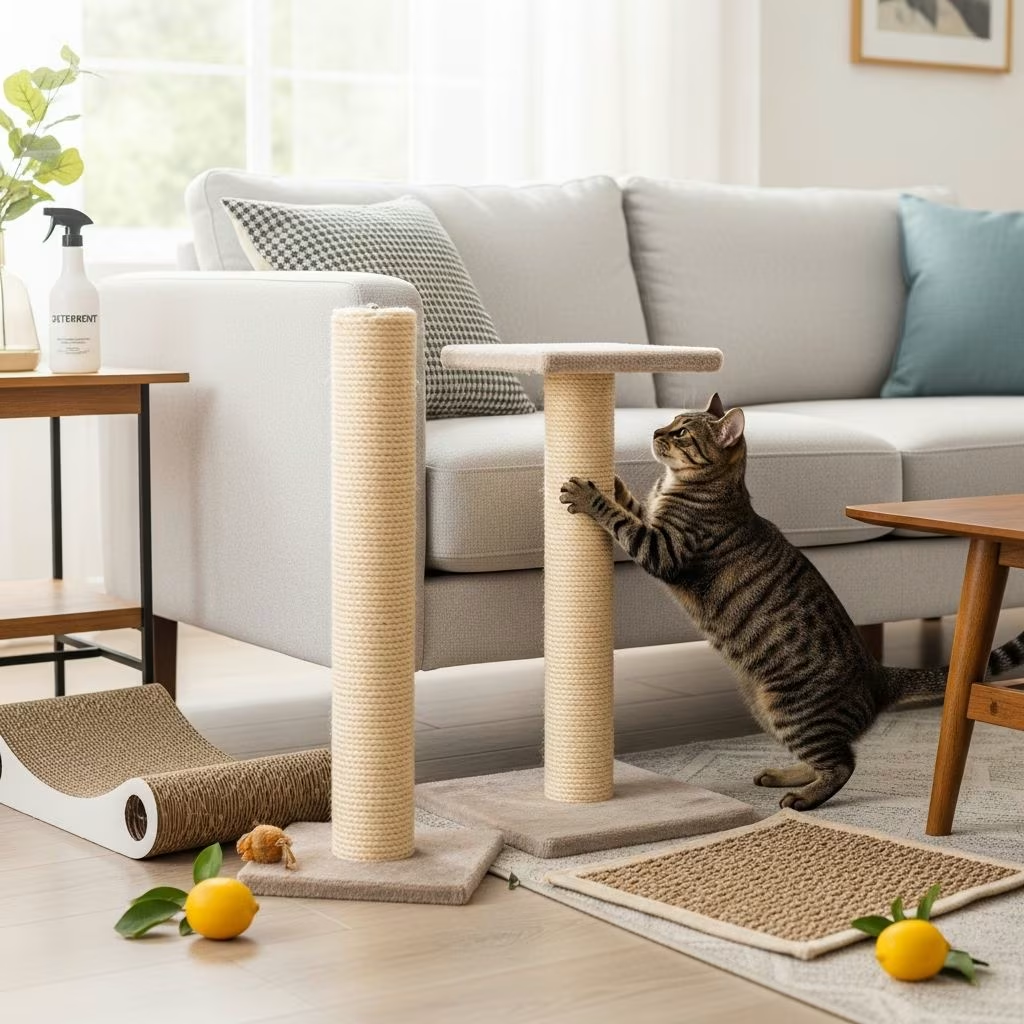
Understanding Why Cats Scratch Furniture
Cats scratch furniture for several important reasons that are deeply rooted in their natural behavior. Scratching is not a sign of destructive misbehavior or spite; rather, it serves multiple vital functions for your feline companion. When cats scratch, they are marking their territory by leaving both visible marks and scent glands located in their paw pads on surfaces. This territorial marking helps cats feel secure in their environment and communicate with other cats in the household or neighborhood.
Beyond territory marking, scratching helps cats maintain healthy claws by removing the outer sheaths and keeping their nails sharp and conditioned for climbing, hunting, and self-defense. Additionally, scratching provides an excellent form of physical exercise and mental stimulation, allowing cats to stretch their muscles, engage their natural instincts, and release built-up stress and anxiety. Understanding these motivations is crucial because it means that preventing cats from scratching furniture entirely is neither realistic nor healthy for your pet. Instead, the goal should be to redirect this natural behavior toward appropriate surfaces while protecting your belongings.
Choosing Cat-Resistant Materials and Designs
The foundation of cat-proof furniture starts with selecting the right materials when purchasing new pieces. Understanding which fabrics and materials naturally resist cat scratching can save you significant frustration and expense in the long run. Velvet, microfiber, and canvas have proven particularly resistant to cat scratching due to their tight weave and durable construction. These fabrics make it difficult for cats to sink their claws in effectively, which naturally deters scratching behavior compared to more loosely woven materials.
When shopping for furniture, consider these cat-resistant features:
- Tight-weave fabrics that resist claw penetration
- Scratch-resistant upholstery treatments
- Removable and washable covers for easy maintenance
- Reinforced corners and edges prone to damage
- Durable frame construction that withstands stress
Modern pet-friendly furniture manufacturers are now designing pieces specifically with cats in mind. These specially crafted options feature enhanced durability in high-traffic areas, reinforced seams, and strategic design elements that discourage scratching while maintaining aesthetic appeal. If you’re investing in new furniture, look for brands that explicitly market their products as pet-friendly, as these typically incorporate multiple protective features into their design.
Effective Barrier Methods and Protective Solutions
For existing furniture you want to protect, several proven protective measures can significantly reduce or prevent damage caused by scratching. These barrier methods work by making furniture less appealing to scratch or by physically preventing claws from reaching the upholstery.
Physical Barriers and Covers
Clear vinyl shields are among the most effective protective solutions available. These transparent barriers attach to furniture surfaces and create a protective layer that cats find difficult to penetrate with their claws. Double-sided tape applied to furniture edges and arms also creates an unpleasant texture that most cats prefer to avoid, making furniture less desirable as a scratching surface.
Fitted furniture covers provide another popular option, especially for couches and chairs. When properly secured, these covers protect upholstery from scratching while remaining relatively unobtrusive. Corner protectors specifically designed for chair and sofa arms offer targeted protection for areas that receive the most scratching activity. These products are particularly useful because they can be easily removed when guests visit or when you want to showcase your furniture.
Deterrent Sprays
Natural deterrent sprays, particularly those with citrus scents, can effectively keep cats away from furniture. Cats generally dislike strong citrus aromas, making these sprays an excellent non-toxic deterrent option. You can create a simple DIY solution by mixing lemon juice, orange essential oil, water, and optional eucalyptus oil in a spray bottle. Apply this mixture to furniture edges and areas where your cat frequently scratches. The acidic citrus scent overwhelms their sensitive olfactory system and encourages them to scratch elsewhere.
Commercial deterrent sprays often provide more concentrated formulations and longer-lasting effects than homemade versions. When using any deterrent spray, reapply regularly, especially after cleaning furniture or if the scent seems to fade. Consistency is key to maintaining effectiveness over time.
Creating Alternative Scratching Options
Redirecting your cat’s scratching behavior is crucial for successful furniture protection. Rather than simply preventing cats from scratching, providing appropriate alternatives allows them to engage in this essential natural behavior while protecting your belongings. Strategic placement of scratching alternatives near furniture can dramatically reduce damage to your home furnishings.
Essential Scratching Solutions
Tall scratching posts remain one of the most effective scratching alternatives. These vertical structures satisfy cats’ natural desire to climb and stretch while providing a designated scratching surface. Look for posts that are sturdy enough to support your cat’s weight and height without wobbling, as unstable posts may be abandoned in favor of more stable furniture.
Horizontal scratching pads offer variety for cats that prefer to scratch in a flat, ground-level position. Many cats naturally alternate between vertical and horizontal scratching, so providing both types maximizes the likelihood that your cat will use them consistently. Wall-mounted scratching boards save floor space while providing vertical scratching surfaces that some cats prefer over traditional posts.
Sisal-wrapped furniture legs create an attractive alternative by transforming existing furniture into a scratching surface. These wraps appeal to cats’ natural desire to scratch in the same areas where they already like to spend time. Some cats even develop a preference for sisal rope, making this an elegant solution that integrates protection into your existing décor.
Making Scratching Posts Attractive
Simply providing scratching alternatives isn’t enough; you must make them appealing enough that your cat chooses them over furniture. Apply catnip to scratching posts regularly to increase their attractiveness. Catnip’s stimulating properties encourage cats to interact with treated surfaces. Alternatively, use silvervine or valerian root, which some cats find equally or more appealing than catnip.
Place scratching surfaces near areas where your cat already scratches furniture. This proximity makes the new option easily accessible and competing with, rather than distant from, their preferred scratching locations. Over time, cats often shift their preferences to the more convenient alternative when it’s placed strategically.
Protective Covers and Strategic Placement
Draped scratchers designed to fit over furniture arms and backs protect specific scratching targets while allowing your cat to continue scratching in that location. This innovative design prevents furniture damage while acknowledging your cat’s need to scratch in particular spots they’ve already claimed. Rather than forcing your cat to abandon their preferred scratching area entirely, draped scratchers redirect the behavior to a protected surface.
Adhesive scratchers can adhere to numerous surfaces, including chair backs, door frames, and other vertical areas where traditional scratchers won’t fit. These single-sided carpet scratchers work well for targeting specific problem areas without requiring floor space or major furniture rearrangement. For carpet protection, flat sisal rugs allow your cat to scratch while keeping your actual carpet safe. As a more sustainable option, you can provide old carpet scraps or inexpensive rugs your cat can freely shred without causing real damage to your home.
Maintenance and Training Strategies
Regular maintenance combined with positive reinforcement training creates a long-term solution for furniture protection that addresses both the physical and behavioral aspects of scratching.
Regular Care Practices
Weekly nail trimming significantly reduces the damage potential when cats do scratch. Shorter, duller nails cause less harm to furniture while still allowing cats to scratch and maintain their claws. Gentle grooming and brush sessions reduce loose hair that can become caught on scratched furniture. Regular maintenance of scratching posts, including replacing worn sisal rope and keeping surfaces clean, ensures your cats continue to find these surfaces appealing and worth using.
Behavioral Training Approaches
Positive reinforcement training establishes lasting good habits more effectively than punishment-based approaches. Consistently reward your cat with treats, praise, or playtime when they use appropriate scratching surfaces. This positive association encourages repeat behavior and helps your cat understand that scratching posts and designated surfaces are preferable to furniture.
Gently deter furniture scratching by redirecting your cat’s attention when you catch them in the act. Move them to an appropriate scratching surface and reward them for using it instead. This redirection technique, combined with deterrent sprays or protective covers on furniture, creates an environment where scratching furniture becomes undesirable while scratching posts becomes rewarding. Over time, your cat naturally gravitates toward the more appealing alternative, especially when it offers both physical satisfaction and positive reinforcement.
Using Deterrent Mats and Environmental Modifications
Reflective deterrent mats create an unpleasant texture and crinkly noise that most cats dislike. These lightweight mats can be placed on furniture surfaces you want to protect, making those areas temporarily undesirable. Many cats find the shiny, reflective material and unexpected crinkly sound annoying enough to avoid furniture equipped with these mats. Simply remove the mats when they’re no longer needed or when expecting guests.
Beyond furniture-specific solutions, consider environmental modifications that support appropriate scratching behavior. Provide multiple scratching surfaces in different areas of your home to ensure your cat always has convenient access to appropriate outlets. Vary the types of scratchers—vertical posts, horizontal pads, wall-mounted boards—to accommodate different scratching preferences and keep your cat’s interest engaged.
Comparison of Furniture Protection Methods
| Protection Method | Effectiveness | Ease of Installation | Visibility | Cost |
|---|---|---|---|---|
| Clear Vinyl Shields | High | Moderate | Low | Moderate |
| Double-Sided Tape | High | Easy | Low | Low |
| Furniture Covers | Very High | Easy | Moderate | Moderate |
| Deterrent Sprays | Moderate | Very Easy | None | Low |
| Draped Scratchers | Very High | Easy | Moderate | Moderate |
| Deterrent Mats | Moderate | Very Easy | Moderate | Low |
Addressing Underlying Behavioral Issues
Sometimes excessive furniture scratching indicates underlying stress, anxiety, or frustration rather than simple boredom or territory marking. If your cat scratches furniture despite having access to appropriate scratching surfaces, consider what might be causing this behavior. Changes in the household environment, insufficient play and enrichment, territorial disputes with other pets, or medical issues can all trigger increased scratching behavior.
Ensure your cat receives adequate daily exercise and mental stimulation through interactive play, climbing opportunities, and environmental enrichment. Puzzle feeders, window perches for bird watching, and rotating toys maintain engagement and reduce stress-related behaviors. If behavioral issues persist, consult with your veterinarian or a certified animal behaviorist to identify and address underlying causes.
Frequently Asked Questions
Q: Why do cats scratch furniture in the first place?
A: Cats scratch furniture for several reasons, including marking territory through scent glands in their paw pads, maintaining healthy claws, stretching muscles, and releasing stress. Scratching is a natural, necessary behavior for cat health and psychological well-being.
Q: What are the most effective ways to cat-proof my furniture?
A: The most effective approach combines multiple strategies: choosing cat-resistant materials when possible, applying physical barriers like vinyl shields or double-sided tape, using natural deterrent sprays, providing multiple appropriate scratching alternatives, and implementing positive reinforcement training. This multi-pronged approach addresses both prevention and redirection.
Q: Which fabrics are most resistant to cat scratching?
A: Velvet, microfiber, and canvas are among the most cat-resistant fabrics due to their tight weave and durable construction. These materials resist claw penetration better than loosely woven fabrics, making them naturally less appealing to scratch.
Q: How can I make scratching posts more appealing than furniture?
A: Apply catnip or silvervine to scratching posts regularly, place them near areas where your cat already scratches, vary the types of scratchers available, and reward your cat with treats and praise when they use appropriate surfaces. Strategic placement and positive reinforcement make designated scratchers more appealing than furniture.
Q: Can deterrent sprays alone stop furniture scratching?
A: Deterrent sprays can be effective as part of a comprehensive approach but work best when combined with other methods. Consistently reapply sprays and pair them with attractive scratching alternatives and positive reinforcement for maximum effectiveness.
Q: How often should I trim my cat’s nails to reduce furniture damage?
A: Weekly nail trimming significantly reduces scratching damage. Shorter, duller nails cause less harm to furniture while still allowing cats to maintain their claws through scratching on appropriate surfaces.
Q: Are there furniture protection methods that don’t require physical barriers?
A: Yes, environmental modifications like deterrent mats, natural sprays, and strategic placement of scratching alternatives can effectively redirect behavior. Additionally, providing environmental enrichment and adequate exercise reduces stress-related scratching without requiring physical barriers.
References
- The Ultimate Guide to Cat-Proof Furniture — PetsCare.com. 2024-11-28. https://www.petscare.com/news/post/ultimate-guide-cat-proof-furniture
- The 8 Best Products to Stop Cats From Scratching Furniture in 2025 — Business Insider. 2024-11-28. https://www.businessinsider.com/guides/pets/how-to-stop-cat-from-scratching-couch
- Protecting Your Furniture From Cat Scratching — Class Act Cats. 2024-11-28. https://classactcats.com/blog/protecting-furniture-from-cat-scratching/
- How to Keep Cats Off Furniture — K&H Pet Products. 2024-11-28. https://khpet.com/blogs/cats/how-to-keep-cats-off-furniture



