

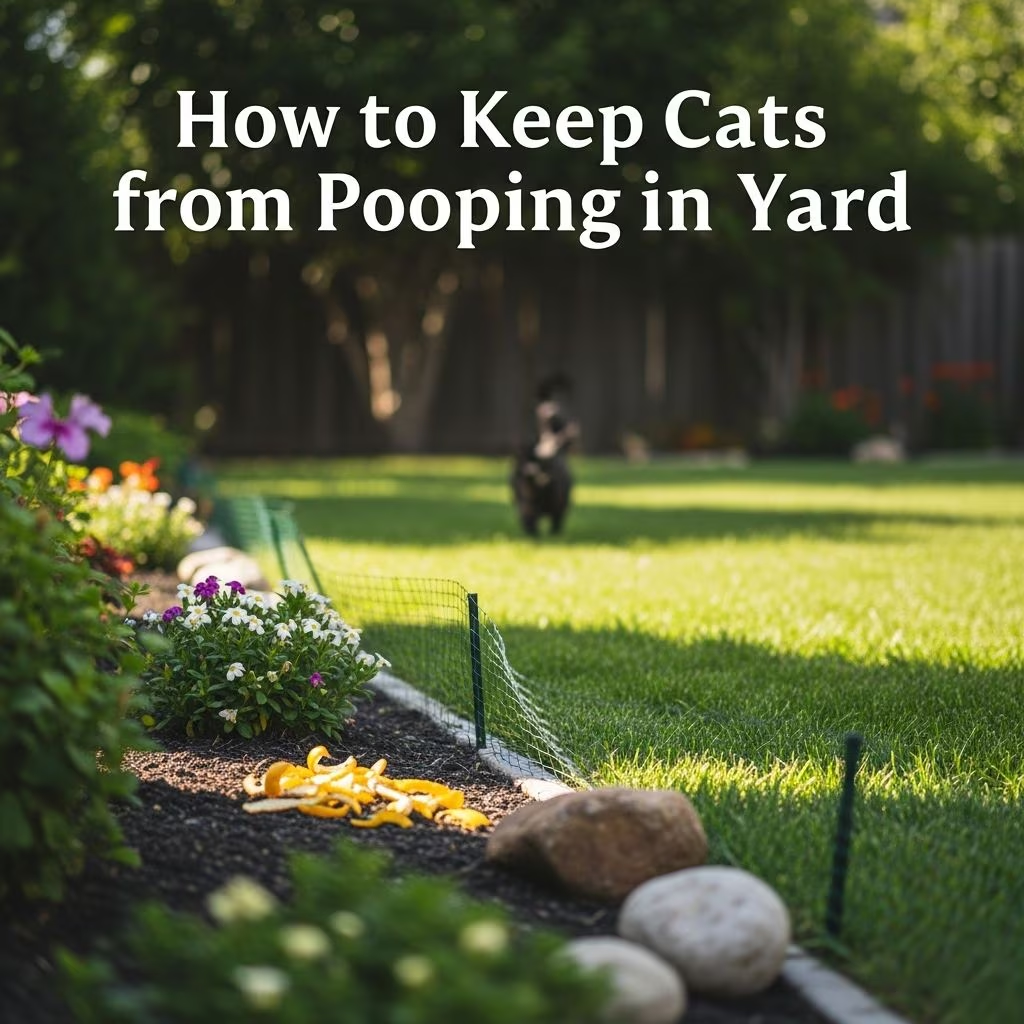
Neighborhood cats treating your yard like a litter box is a common frustration for gardeners and homeowners. Cats are drawn to soft, loose soil for digging, and once they find a spot, they return repeatedly due to scent marking. The good news is there are numerous humane, effective methods to deter them without harm. This comprehensive guide covers cleaning strategies, physical barriers, natural repellents, and more, drawing from proven techniques to help you maintain a pristine yard.
Why Do Cats Poop in Your Yard?
Cats prefer loose, soft soil that’s easy to dig, much like a litter box. Your garden beds, flower pots, or vegetable patches mimic this ideal texture. Additionally, their urine and feces leave scents that signal to other cats it’s a safe spot. Feral, stray, or even pet cats roam territories up to several acres, using yards for elimination when indoor options aren’t available. Understanding this helps target solutions effectively.
Clean Up the Poop Immediately
The first step is always cleanup. Remove feces promptly using gloves and a scooper, then double-bag for disposal. This prevents scent buildup that attracts return visits. For odors, sprinkle baking soda or agricultural lime on the spot, let it sit, then rake away. These neutralize smells naturally without chemicals.
Remove Attractants from Your Yard
Eliminate what draws cats in:
- Store food securely to avoid rodents, which attract cats.
- Secure trash bins with tight lids.
- Avoid leaving pet food outdoors.
- Fill in bare soil patches with mulch or dense plantings.
Make Your Yard Less Appealing to Cats
Alter the texture and scent of your soil. Cover garden beds with coarse mulch like chopped straw, pine needles, or gravel. Cats dislike walking on rough surfaces. Chicken wire or mesh laid flat under mulch creates an uncomfortable paw sensation without injury. For larger areas, use landscape fabric topped with stones.
Install Physical Barriers
Physical deterrents block access entirely.
- Fencing: Erect a 6-foot fence with an inward-angled top or roller bars. Anti-cat fences with plastic spikes make balancing impossible.
- Netting: Cover small beds completely with bird netting, securing all sides and top to prevent jumping in.
- Wire Mesh: Cut and shape into low domes or borders; cats avoid the prickly feel.
Plant Cat-Repellent Plants
Certain plants emit scents cats hate. Border your yard with:
- Lavender
- Rosemary
- Rue
- Curry plant (Helichrysum italicum)
- Thorny options like roses, cacti, or blackberries for dual deterrence.
These not only repel but beautify your space. Plant densely to create natural walls.
Use Natural Repellents and Scents
Cats have sensitive noses; exploit this with safe scents.
- Citrus peels: Scatter orange, lemon, or lime rinds; refresh weekly.
- Coffee grounds: Used grounds from your brewer work well.
- Vinegar spray: Mix 1:1 white vinegar and water; apply to borders (avoid plants).
- Peppermint oil: Dilute in water and spray.
Reapply after rain for best results.
Commercial Cat Repellent Sprays
Ready-made sprays use natural oils like citronella or neem. Choose pet-safe, plant-friendly formulas. Apply to fences, borders, and problem spots weekly. Examples include those with lavender or rosemary essences.
Motion-Activated Water Sprinklers
These high-tech devices detect motion up to 30 feet and blast a short water jet. Cats quickly learn to avoid the area. Models like Orbit Yard Enforcer work day/night, covering large yards efficiently. Position near entry points for maximum impact.
Visual Deterrents
Cats dislike reflective surfaces.
- Hang old CDs or aluminum foil strips; wind moves them, flashing light.
- Fill clear plastic bottles with water and place in sunny spots; refraction mimics predator eyes.
- Motion-activated lights add to the effect.
Provide an Alternative Litter Area
Deteriorate your yard by offering a better option elsewhere. Create a sandy pit sprinkled with catnip, far from your garden (e.g., behind a shed). Clean it regularly to encourage use. This works well for local strays.
Ultrasonic Repellers
Battery-powered stakes emit high-frequency sounds inaudible to humans but irritating to cats. Solar models are eco-friendly. Place strategically around the perimeter.
Additional Tips and Considerations
- Test methods; cats vary in response—combine for best results.
- Humane approach: Avoid harm, as it’s often illegal to injure cats.
- Check local laws on feral cats; TNR (trap-neuter-release) programs help long-term.
- Patience required; consistency pays off in 1-2 weeks.
| Method | Cost | Effectiveness | Maintenance | Best For |
|---|---|---|---|---|
| Motion Sprinkler | Medium | High | Low | Large yards |
| Chicken Wire | Low | Medium | Medium | Flower beds |
| Repellent Plants | Low-Medium | Medium | Low | Borders |
| Citrus Peels | Very Low | Low-Medium | High | Small areas |
Frequently Asked Questions (FAQs)
What is the most effective way to keep cats out of my yard?
Motion-activated sprinklers are highly effective for most users, as cats universally dislike surprise water sprays.
Are cat repellents safe for my plants and pets?
Yes, choose natural, non-toxic options like citrus or herbal sprays. Avoid chemicals near edible plants.
How long does it take for deterrents to work?
Typically 3-7 days with consistent application; combine methods for faster results.
Will these methods work on feral cats?
Yes, but providing an alternative litter area can redirect them humanely.
Can I use mothballs or ammonia?
No, these are toxic to cats, wildlife, and the environment. Stick to safe alternatives.
References
- Ways to Prevent Cats from Pooping in Your Yard — iProperty.com.my. 2023-10-01. https://www.iproperty.com.my/guides/ways-to-prevent-cats-from-pooping-in-your-yard-64839
- How to Stop Cats Pooping in the Garden — Byther Farm. 2024-05-15. https://bytherfarm.com/stop-cats-pooping-in-garden/
- Ordinance on Animal Control (Sample Local Law) — ASPCA.org (via referenced gov guidelines). 2023-01-01. https://www.aspca.org/about-us/aspca-policy-and-position-statements/aspca-policy-statement-community-cat-care



