

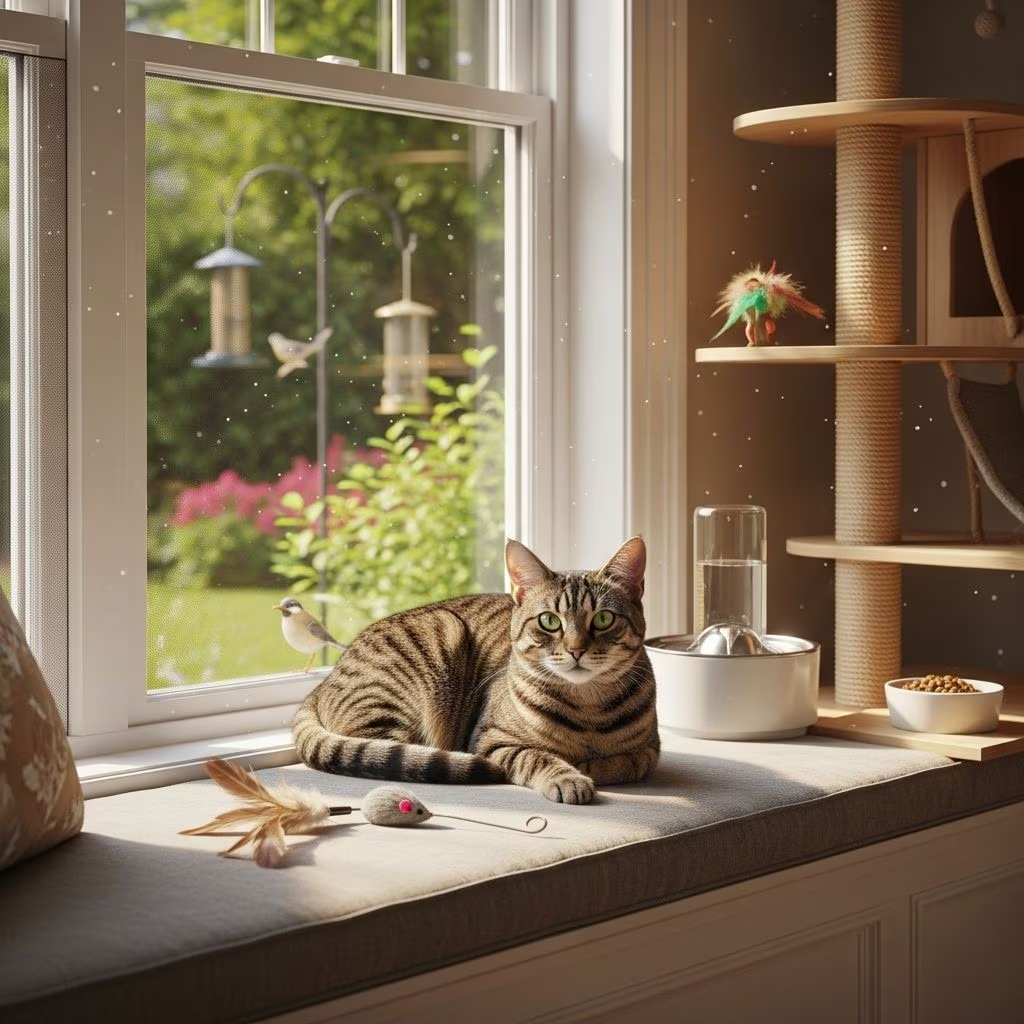
Keeping your cat safely indoors protects them from numerous outdoor dangers while allowing for a longer, healthier life. This comprehensive guide covers reasons to keep cats inside, transition strategies for outdoor cats, escape prevention techniques, indoor enrichment ideas, and answers to common questions.
Why Keep Cats Indoors? 15 Vet-Approved Reasons
Outdoor cats face significant risks that drastically shorten their lifespan compared to indoor cats. Indoor living minimizes exposure to hazards, parasites, and injuries, promoting better health and more quality time with your pet.
- Less Exposure to Parasites: Indoor cats avoid fleas, ticks, hookworms, and roundworms that thrive outdoors and can infest your home or affect humans.
- Avoids Traffic Accidents: Cats in urban or suburban areas are at high risk of being hit by vehicles, especially if lacking street smarts.
- Predator Protection: No encounters with dogs, wildlife, or aggressive cats that could lead to fights or injuries.
- No Toxic Substances: Prevents ingestion of poisons like antifreeze, pesticides, or toxic plants common outside.
- Reduces Disease Risk: Limits spread of feline leukemia, FIV, and other contagious diseases from other animals.
- Prevents Getting Lost: Indoor cats can’t wander off and become disoriented miles from home.
- Weather Safety: Shields from extreme heat, cold, storms, or harsh conditions.
- Less Injury Overall: Significantly cuts accidents, falls from heights, or fights.
- Human Cruelty Avoidance: Protects from traps, poison, or abuse by unkind people.
- Longer Lifespan: Indoor cats often live 12-18 years versus 2-5 years for outdoor cats due to fewer risks.
- More Bonding Time: Cats adjust to home routines, spending more awake time with family.
- Lower Vet Bills: Fewer emergencies mean reduced medical costs.
- Environmental Impact: Reduces wildlife predation; cats kill billions of birds annually.
- Family Safety: No parasites or injuries brought home.
- Controlled Diet: Easier to maintain healthy weight and nutrition indoors.
How to Transition an Outdoor Cat to Indoor Living
Switching a feral or free-roaming cat to indoor life requires patience to minimize stress. Gradual steps build positive associations and comfort.
- Accept Slow Progress: Increase indoor time incrementally over days or weeks using treats, toys, and affection to ease anxiety.
- Create a Sanctuary Room: Dedicate a secure space with bed, litter box, food/water (away from litter), toys, and outdoor-scented items like dirt or grass. Ensure windows are secure, ventilated, hazard-free, and temperature-controlled.
- Feed Indoors Only: Start meals inside to link home with positivity. Use puzzle feeders for mental stimulation.
- Provide Entertainment: Combat boredom with play sessions, grooming, and favorite toys to prevent destructive behavior.
- Monitor Health: Schedule vet checkups for parasites, vaccines, and spaying/neutering to support the transition.
Expect initial frustration like meowing or scratching, but consistency pays off as cats adapt within weeks.
Preventing Escape Attempts: Secure Your Home
Determined cats exploit any opportunity. Proactive measures make your home escape-proof without constant vigilance.
- Door and Window Guards: Install baby gates, door sweeps, or magnetic screens. Keep doors closed during entry/exit; use a mudroom if possible.
- Window Safety: Secure screens tightly; add locks or stops. Avoid open windows above ground floor.
- Harness Training: Leash-train for supervised outdoor time, starting indoors with treats.
- Microchipping and Collars: Essential backups if escape occurs; include ID with your contact.
- Distraction Tactics: Toys or food away from exits during high-traffic times.
| Method | Pros | Cons |
|---|---|---|
| Screen Doors | Allows air flow; cat-proof | Costly install |
| Harness Walks | Exercise + outdoors | Training time |
| Catio | Safe outdoor access | Space/build required |
Enriching Indoor Life: Keeping Cats Happy and Active
Indoor cats thrive with stimulation mimicking outdoor adventures. Boredom leads to obesity, stress, or mischief; enrichment ensures fulfillment.
- Vertical Space: Cat trees, shelves, window perches for climbing and viewing birds.
- Interactive Toys: Rotate feather wands, balls, laser pointers for daily 15-30 minute play.
- Puzzle Feeders: Dispense kibble slowly to engage hunting instincts.
- Sensory Stimulation: Catnip, silvervine, nature videos, or soft sounds.
- Hideouts: Boxes, tunnels, beds for security and rest.
- Catio or Enclosures: Enclosed patios for safe fresh air, sun, and sights without risks.
- Social Interaction: Play, grooming, talking to build bonds.
- Scratching Posts: Multiple types to satisfy natural urges.
Studies confirm stimulated indoor cats are as happy and healthy as outdoor ones, with owners providing 2-3 sessions daily.
Pros and Cons of Indoor vs. Outdoor Cats
| Aspect | Indoor Cats | Outdoor Cats |
|---|---|---|
| Lifespan | 12-18 years | 2-5 years |
| Health Risks | Low (obesity possible) | High (trauma, disease) |
| Stimulation | Owner-provided | Natural but risky |
| Cost | Lower vet bills | Higher emergencies |
| Happiness | High with enrichment | Variable; instinctual |
While some argue indoor life is ‘unnatural,’ modern environments aren’t wild habitats. Dogs aren’t free-roamed despite wolf ancestry.
Frequently Asked Questions (FAQs)
Is it cruel to keep a cat indoors?
No, with proper enrichment, indoor cats are safe, happy, and live longer. Cruelty stems from neglect, not confinement.
Are indoor cats healthier?
Yes, they face fewer injuries, parasites, and diseases.
How do I stop my cat from escaping?
Secure exits, distract with toys, and provide alternatives like catios.
Can outdoor cats adjust to indoor life?
Yes, gradually with a sanctuary, food rewards, and play.
Do indoor cats get bored?
They can if unstimulated, but toys, climbing, and interaction prevent this.
What’s a catio?
An enclosed outdoor patio for safe exploration of air, sun, and views.
References
- How To Make An Outdoor Cat Into An Indoor Cat — Catster. 2023-10-15. https://www.catster.com/lifestyle/making-an-outdoor-cat-an-indoor-cat/
- 15 Vet-Approved Reasons to Keep Your Cats Indoors — Catster. 2023-11-20. https://www.catster.com/lifestyle/reasons-to-keep-cats-indoors/
- Should You Let Your Cat Outside? Pros & Cons — Catster. 2024-02-10. https://www.catster.com/cat-health-care/should-you-let-your-cat-outside/
- Indoor vs Outdoor Cats: Dr. Karyn’s Opinion — Catster. 2023-09-05. https://www.catster.com/felines-weekly/indoor-vs-outdoor-cats-dr-karyns-opinion/
- Are Indoor Cats Happy & Fulfilled? — Catster. 2024-01-12. https://www.catster.com/cat-health-care/are-indoor-cats-happy-and-fulfilled/
- 7 Simple Ways to Keep Your Indoor Cat Active — Catster. 2023-12-18. https://www.catster.com/lifestyle/ways-to-keep-your-indoor-cat-active/



