

How to Keep Your Cat’s Eyes Healthy
Your cat’s eyes are precious windows to their health and quality of life. As a responsible pet owner, understanding how to maintain optimal eye health is crucial for preventing serious conditions and ensuring your feline companion enjoys clear vision throughout their life. This comprehensive guide covers everything you need to know about feline eye care, from routine preventive measures to recognizing warning signs of potential problems.
Understanding Healthy Cat Eyes
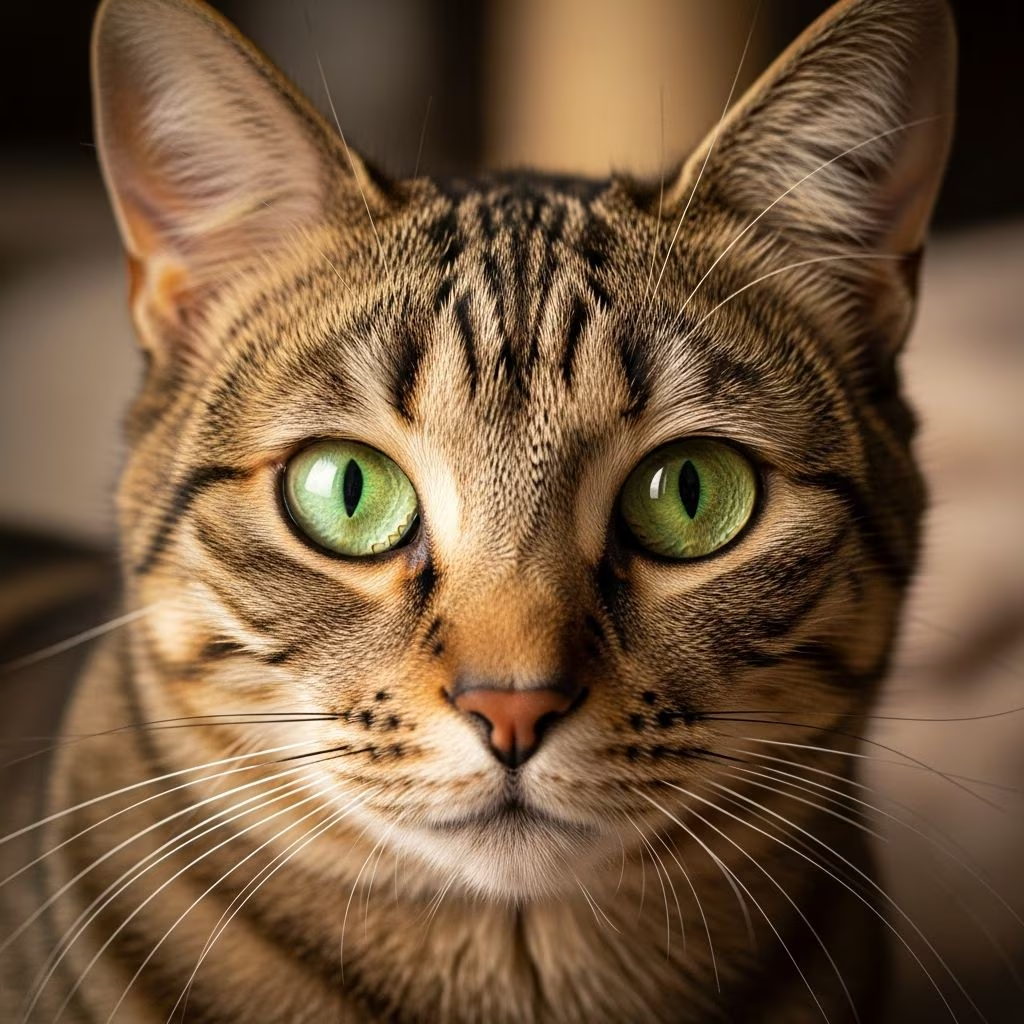
Before you can identify problems, it’s important to understand what healthy cat eyes should look like. Healthy feline eyes possess several distinctive characteristics that you should become familiar with during regular home inspections. Taking time to observe your cat’s normal eye appearance will help you quickly notice any changes that might require veterinary attention.
A cat’s eyes should be bright and clear, displaying a vibrant appearance that reflects alertness and wellness. The area surrounding the eyeball should be predominantly white, without any noticeable redness or inflammation. Additionally, your cat’s pupils should be equal in size and responsive to light, contracting when exposed to bright illumination and dilating in darker conditions. Normal blinking patterns are also important—excessive blinking or squinting can indicate discomfort or underlying eye issues. When examining your cat’s eyes, gently roll down the lower eyelid; the lining should appear pink in color, never red or white.
Regular Home Eye Inspections
One of the most effective ways to maintain your cat’s eye health is establishing a routine home inspection schedule. These simple examinations take only a few minutes but can catch problems early before they become serious.
How to Perform Home Eye Checks:
- Choose a well-lit room where you can clearly see your cat’s eyes
- Look for any redness or swelling in and around the eye area
- Check for watery or pus-like discharge, which may indicate infection
- Observe for any cloudiness in the lens or cornea
- Note any changes in eye color or shape
- Watch for signs of sensitivity to light, where your cat may appear to squint or avoid bright areas
- Check for any visible third eyelid (nictitating membrane), which should not be prominent in healthy eyes
If you notice anything unusual during these inspections, consult a veterinarian as soon as possible. Early detection of eye problems can significantly improve treatment outcomes and prevent progression to more serious conditions.
Cleaning and Grooming for Eye Health
Regular grooming extends beyond aesthetic purposes—it’s also an excellent opportunity to monitor eye health and address minor issues. Proper eye cleaning techniques are essential to prevent infections and discomfort.
Safe Eye Cleaning Methods:
When cleaning your cat’s eyes, use vet-approved saline solution with soft materials like damp cotton pads or cotton balls. Always wipe from the inner corner of the eye outward, using a fresh cotton pad for each eye to prevent cross-contamination. Gently wipe away any crust or buildup around the eyes, being careful not to apply pressure directly on the eyeball.
What to Avoid:
- Never use human eye drops, which may contain ingredients harmful to cats
- Avoid harsh chemicals like hydrogen peroxide
- Don’t use over-the-counter eye washes unless specifically recommended by your veterinarian
- Never force eye grooming if your cat resists; consider professional grooming assistance instead
Additionally, trimming long hair around the eyes prevents irritation and maintains clear vision. If your cat has excessive hair around the eye area, careful grooming can make a significant difference in comfort and eye health.
Nutrition and Supplements for Eye Health
What your cat eats directly impacts their eye health. Specific nutrients play crucial roles in maintaining vision and preventing age-related eye problems. Ensuring your cat receives proper nutrition is a fundamental component of preventive eye care.
Essential Nutrients for Feline Eye Health:
| Nutrient | Function | Dietary Sources |
|---|---|---|
| Taurine | Essential for retinal health and vision development | Meat-based proteins, high-quality cat food |
| Vitamin A | Supports night vision and corneal health | Liver, egg yolks, fortified cat foods |
| Omega-3 Fatty Acids | Reduce inflammation and support overall eye function | Fish oils, fatty fish, specialized supplements |
| Antioxidants | Protect eye tissues from oxidative damage | Lutein, zeaxanthin in quality pet foods |
High-quality commercial cat foods are typically formulated with these essential nutrients, but discussing supplementation with your veterinarian can provide additional support, particularly for aging cats or those with specific eye health concerns.
Common Cat Eye Problems and What to Watch For
Understanding common feline eye conditions helps you recognize when your cat needs veterinary care. While this guide provides information, your veterinarian is the best resource for diagnosis and treatment.
Conjunctivitis (Pink Eye): This is one of the most common feline eye problems. Symptoms include redness, watery discharge, and swollen eyelids. Conjunctivitis can be caused by infections, allergens, or environmental irritants. Treatment typically involves prescription eye drops, and your veterinarian can determine whether antibiotics are necessary.
Corneal Ulcers: These painful conditions present with a cloudy appearance in the eye, excessive blinking, and sensitivity to light. Corneal ulcers may develop from scratches, dry eyes, or infections. Treatment usually includes antibiotics, and severe cases may require surgical intervention.
Glaucoma: This serious condition involves increased eye pressure and can lead to blindness if untreated. Signs include a bulging eye, excessive tearing, and pain. Certain breeds like Siamese and Burmese cats have higher risk for glaucoma. Treatment may involve medication or surgery, making early detection critical.
Cataracts: Age-related or diabetes-associated cataracts present as a milky or cloudy lens. While some cats manage well with cataracts, surgery may be recommended in severe cases affecting quality of life.
Uveitis: This inflammation of the eye’s interior layer causes pain, redness, and light sensitivity. Uveitis can result from infections or immune disorders and requires prompt veterinary attention. Treatment involves anti-inflammatory drops and addressing the underlying cause.
Dry Eye (Keratoconjunctivitis Sicca): Some cats experience inadequate tear production, leading to dry, uncomfortable eyes. This condition can result from immune system diseases or viral infections and may require specialized eyedrops or ointments.
Preventive Care Through Regular Veterinary Visits
Professional veterinary care is the cornerstone of comprehensive eye health maintenance. Regular eye exams by your veterinarian can catch problems before they become serious, potentially saving your cat’s vision.
What to Expect During a Cat Eye Exam:
- Visual inspection of the eyes’ external structures
- Assessment of tear production levels
- Measurement of eye pressure to screen for glaucoma
- Thorough examination by a veterinary ophthalmologist if needed
- Evaluation of pupil responses and eye movement
Schedule annual eye exams as part of your cat’s routine veterinary care. Senior cats (aged 7 and older) may benefit from more frequent examinations, as age-related eye problems become more common. Discuss with your veterinarian the appropriate examination schedule for your individual cat based on age, health status, and breed predisposition.
Breed-Specific Eye Health Considerations
Certain cat breeds have genetic predispositions to specific eye problems, making breed-aware care particularly important.
High-Risk Breeds:
- Siamese and Burmese: Higher risk of glaucoma and cataracts
- Scottish Folds: Increased likelihood of eye infections
- Persians: Prone to excessive tearing and tear duct issues
- Bengal and Abyssinian: May be predisposed to progressive retinal atrophy
If you own one of these breeds, routine eye care becomes even more crucial. Discuss breed-specific health concerns with your veterinarian to develop a tailored preventive care plan.
Eye Care Products and When to Use Them
Several over-the-counter products can support eye health when used appropriately. However, always consult your veterinarian before introducing new products, particularly if your cat is experiencing eye issues.
Recommended Products:
- Sterile wash pads: Products like Miracle Care Sterile Wash Pads help clean and eliminate dirt, grime, and bacteria around the eyes, reducing infection risk.
- Saline solutions: Vet-approved saline is safe for gentle eye cleaning and flushing
- Eye rinses: Specialized rinses can help remove irritants and discharge
- Supplements: Lysine supplements may help manage herpes virus-related eye issues, though consult your vet about effectiveness and safety
Managing Eye Injuries and Emergencies
Eye injuries require prompt attention to prevent permanent vision loss. Knowing how to respond to emergencies can make a critical difference.
Minor Eye Injuries:
- Flush the eye gently with sterile saline solution
- Keep your cat calm and prevent scratching at the affected eye
- Contact your veterinarian for guidance on further care
Serious Eye Trauma Requiring Emergency Care:
- Visible blood in or around the eye
- Bulging or displaced eye
- Heavy discharge or pus
- Sudden vision loss
- Severe pain or inability to open the eye
If you observe any of these serious signs, visit an emergency veterinary clinic immediately. Quick action can sometimes preserve vision or prevent further damage.
Behavioral Signs Indicating Vision Problems
Beyond visible eye changes, behavioral shifts can indicate vision issues. Knowing what to watch for helps you respond appropriately.
- Bumping into furniture or walls, especially in low light
- Reluctance to jump or navigate heights
- Excessive squinting or frequent blinking
- Rubbing or pawing at the eyes
- Reluctance to move, particularly in dark environments
- Increased vocalization or anxiety
- Changes in grooming behavior or overall activity level
If you notice these behavioral changes, schedule a veterinary examination promptly to determine the cause.
Emerging Treatments and Future Advances
Veterinary ophthalmology continues to advance, offering new hope for cats with eye conditions. Emerging treatments include gene therapy, stem cell treatments, and innovative surgical techniques for conditions like glaucoma and cataracts. Staying informed about new developments and discussing options with your veterinarian can help you make the best decisions for your cat’s eye health.
Frequently Asked Questions
Q: How often should I examine my cat’s eyes at home?
A: Establish a weekly or bi-weekly routine for home eye inspections. More frequent checks may be appropriate for older cats, cats with known eye conditions, or breed-specific concerns.
Q: Is it safe to use human eye drops on my cat?
A: No. Human eye drops may contain ingredients harmful to cats. Always use vet-approved products specifically formulated for feline use.
Q: What should I do if my cat’s eyes are watery?
A: Watery eyes can indicate various problems, from blocked tear ducts to infections. Your veterinarian may use saline to flush blocked tear ducts or recommend antibiotic drops if infection is present.
Q: Can diet affect my cat’s eye health?
A: Yes. Proper nutrition, including taurine, vitamin A, and omega-3 fatty acids, is essential for maintaining eye health and preventing age-related vision problems.
Q: When should I take my cat to the vet for eye problems?
A: Schedule an appointment if you notice redness, cloudiness, discharge, excessive blinking, sensitivity to light, or any behavioral changes related to vision. Emergency situations include sudden vision loss, heavy discharge, or visible trauma.
Q: Are certain cat breeds more prone to eye problems?
A: Yes. Siamese, Burmese, and Scottish Fold cats have higher predispositions to specific eye conditions like glaucoma, cataracts, and infections. Breed-aware preventive care is particularly important for these cats.
References
- How Cat Eyes Work and How to Care for Them — Chewy. 2024. https://www.chewy.com/education/cat/health-and-wellness/cat-eyes
- Eye Care for Cats: A Complete Guide to Feline Eye Health — Kitty Up. 2024. https://www.kittyupcats.com/blogs/news/eye-care-for-cats-a-complete-guide-to-feline-eye-health
- Cat Eye Health: How to Keep Your Cat’s Eyes Healthy — Pet Releaf. 2024. https://petreleaf.com/blogs/blog/cat-eye-health-how-to-keep-your-cats-eyes-healthy
- Cat Eye Discharge and Eye Problems — WebMD. 2024. https://www.webmd.com/pets/cats/eye-discharge-in-cats
- Your Pet’s Eye Health: A Guide to Eye Exams and Care — MedVet. 2024. https://www.medvet.com/what-to-expect-during-your-pets-eye-exam/
- Cat Eye, Ear & Nose Conditions & Care — VCA Animal Hospitals. 2024. https://vcahospitals.com/resources/conditions-cat/eyes-ears-nose



