

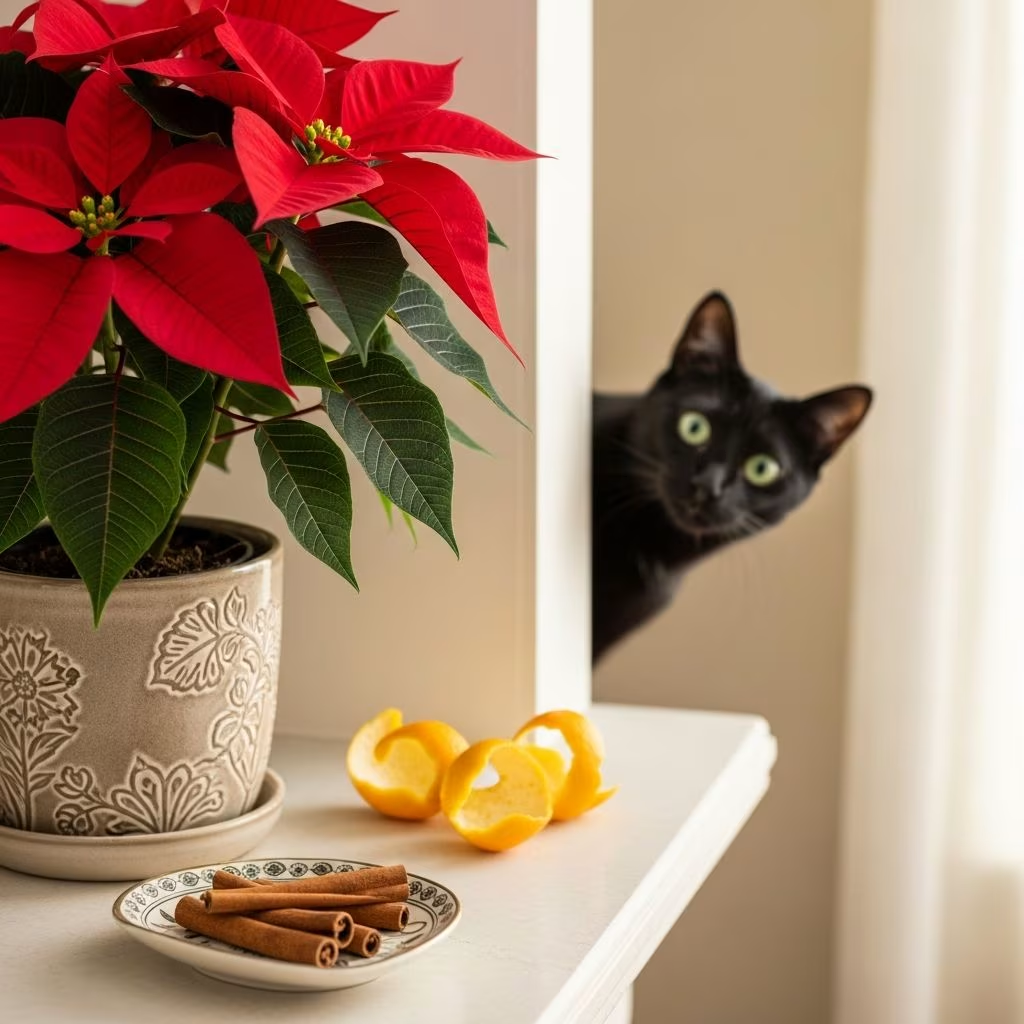
Poinsettias are iconic holiday plants with their vibrant red bracts that brighten homes during winter celebrations. However, many cat owners worry about their pets’ safety around these plants due to longstanding myths about their toxicity. While poinsettias (Euphorbia pulcherrima) are only mildly toxic to cats, causing symptoms like oral irritation, drooling, vomiting, or diarrhea from their milky sap containing diterpenoid esters and saponins, prevention is key to avoiding discomfort. Cats rarely ingest large amounts due to the plant’s bitter taste, but curious nibbling can still lead to issues, especially for sensitive felines.
This comprehensive guide covers everything cat owners need to know: the truth about poinsettia toxicity, symptoms to watch for, treatment options, and seven practical, veterinarian-recommended strategies to keep cats away from poinsettias. By implementing these methods, you can enjoy festive decor without risking your cat’s health. We’ll also address common FAQs and provide additional holiday safety tips for a stress-free season.
Are Poinsettias Poisonous to Cats?
The notion that poinsettias are highly poisonous stems from a 1919 incident in Hawaii where a child allegedly died after consuming leaves, but this has been thoroughly debunked. Studies show that 96% of exposures require no treatment, and 92% show no symptoms, primarily in children but applicable to pets. According to the Pet Poison Helpline and veterinary experts, poinsettias rank as mildly toxic. The white sap irritates the mouth, esophagus, gastrointestinal tract, and skin, but serious harm requires massive ingestion, which is unlikely given the plant’s acrid flavor.
Veterinarians emphasize that while not life-threatening, even mild reactions can distress cats. Purdue University notes that cats may salivate or vomit after chewing leaves, advising placement out of reach. For context, poinsettias are far less dangerous than lilies, which can cause kidney failure, making them a lower-priority concern but still warranting caution.
Symptoms of Poinsettia Poisoning in Cats
If a cat chews on poinsettia leaves, bracts, or stems, expect these common, self-limiting signs:
- Excessive drooling and lip smacking from mouth irritation
- Vomiting or diarrhea due to gastrointestinal upset
- Skin redness, swelling, or itchiness around the mouth from sap contact
- Lethargy or decreased appetite in rare cases of larger ingestion
Symptoms typically resolve within 1-2 hours without intervention, as there’s no specific antidote. However, monitor closely; if signs worsen or persist, contact a vet or services like PangoVet for online advice. Cats with pre-existing conditions or allergies may react more severely.
What to Do If Your Cat Eats a Poinsettia
Stay calm—most cases are benign. Note the time, amount ingested, and symptoms. Rinse the cat’s mouth gently with water if sap is visible, and offer a small amount of milk or food to soothe irritation. Avoid inducing vomiting unless directed by a professional.
Call the Pet Poison Helpline (fee-based) for guidance or your vet if symptoms escalate. Emergency care is rarely needed, but better safe than sorry for single-leaf incidents. In summary, observation suffices for mild cases, reinforcing why prevention trumps cure.
7 Vet-Verified Ways to Keep Cats Away From Poinsettias
Here are seven effective, humane strategies endorsed by vets to deter cats from real or artificial poinsettias. Combine methods for best results.
- Invest in Artificial Poinsettias: Opt for high-quality silk or plastic versions that mimic the real thing without sap or toxicity. Place them in stable pots away from jumping spots. These are ideal for cat households, maintaining holiday cheer risk-free.
- Elevate Plants Out of Reach: Use high shelves, hanging baskets, or wall-mounted planters beyond leap range. Cats jump up to 5-6 times their height, so secure above 6 feet. This simple physics-based deterrent works wonders.
- Use Citrus or Herbal Repellents: Cats detest citrus, eucalyptus, or lavender scents. Spray diluted lemon juice, place peels around the base, or use vet-safe commercial repellents like Bitter Apple. Reapply every few days; test for allergies first.
- Provide Cat-Safe Alternatives: Distract with cat grass, catnip toys, or interactive feeders. Growing oat grass indoors satisfies chewing urges, redirecting attention from poinsettias. Rotate toys to keep interest high.
- Apply Double-Sided Tape or Aluminum Foil: Surround pots with sticky tape or crinkly foil, which cats hate on paws. This tactile barrier trains avoidance without harm. Remove after deterrence is established.
- Train with Positive Reinforcement: Use clicker training or treats to reward ignoring the plant. Say “no” firmly and redirect. Consistency over weeks builds habits; works best for motivated cats.
- Supervise and Create Barriers: Use baby gates, furniture rearrangement, or plant enclosures like decorative cages. During parties, confine cats to safe rooms. Vigilance prevents accidents.
Additional Holiday Plant Safety Tips
Beyond poinsettias, beware other festive flora:
| Plant | Toxicity Level | Symptoms | Prevention |
|---|---|---|---|
| Poinsettia | Mild | Irritation, vomiting | Elevate, repellents |
| Mistletoe | Moderate-Severe | Vomiting, shock | Avoid entirely |
| Lilies | Deadly | Kidney failure | No lilies in home |
| Hol Holly | Moderate | GI upset, lethargy | Out of reach |
Skip toxic plants altogether or choose cat-safe options like orchids.
Frequently Asked Questions (FAQs)
Are poinsettias really poisonous to cats?
Yes, but only mildly. They cause irritation from sap, not severe poisoning. Large quantities are needed for serious effects, rare due to taste.
Can my cat die from eating a poinsettia leaf?
No, death is extremely unlikely. Even multiple leaves rarely cause more than mild upset.
Do I need to go to the vet if my cat chews poinsettia?
Usually not; monitor symptoms. Call Poison Helpline or vet if severe or persistent.
Is poinsettia sap dangerous for cat skin?
It can cause redness or itching. Wipe off immediately and rinse.
Are artificial poinsettias safe for cats?
Yes, if no small parts can be swallowed. Choose durable, non-toxic materials.
Conclusion
Keeping cats away from poinsettias ensures a joyful holiday without worry. Mild toxicity doesn’t mean zero risk—proactive steps like artificial plants, repellents, and distractions safeguard your pet. Consult vets for personalized advice and enjoy the season safely.
References
- Are Poinsettias Poisonous to Cats? Vet-Approved Facts & FAQ — Catster. 2023. https://www.catster.com/cat-health-care/are-poinsettias-poisonous-to-cats/
- 9 Holiday Plants That Pose a Danger to Cats (With Pictures) — Catster. 2023. https://www.catster.com/cat-health-care/holiday-plants-toxic-to-cats/
- My Cat Ate a Poinsettia Leaf, Here’s What to Do (Vet Answer) — Catster. 2023. https://www.catster.com/ask-the-vet/cat-ate-poinsettia-leaf-vet-answer/
- Poinsettia Plant – Is it Poisonous to Pets? — Purdue Agriculture. 2021-12-13. https://ag.purdue.edu/department/btny/ppdl/potw-dept-folder/2021/poinsettia-poisonous-pets.html



