

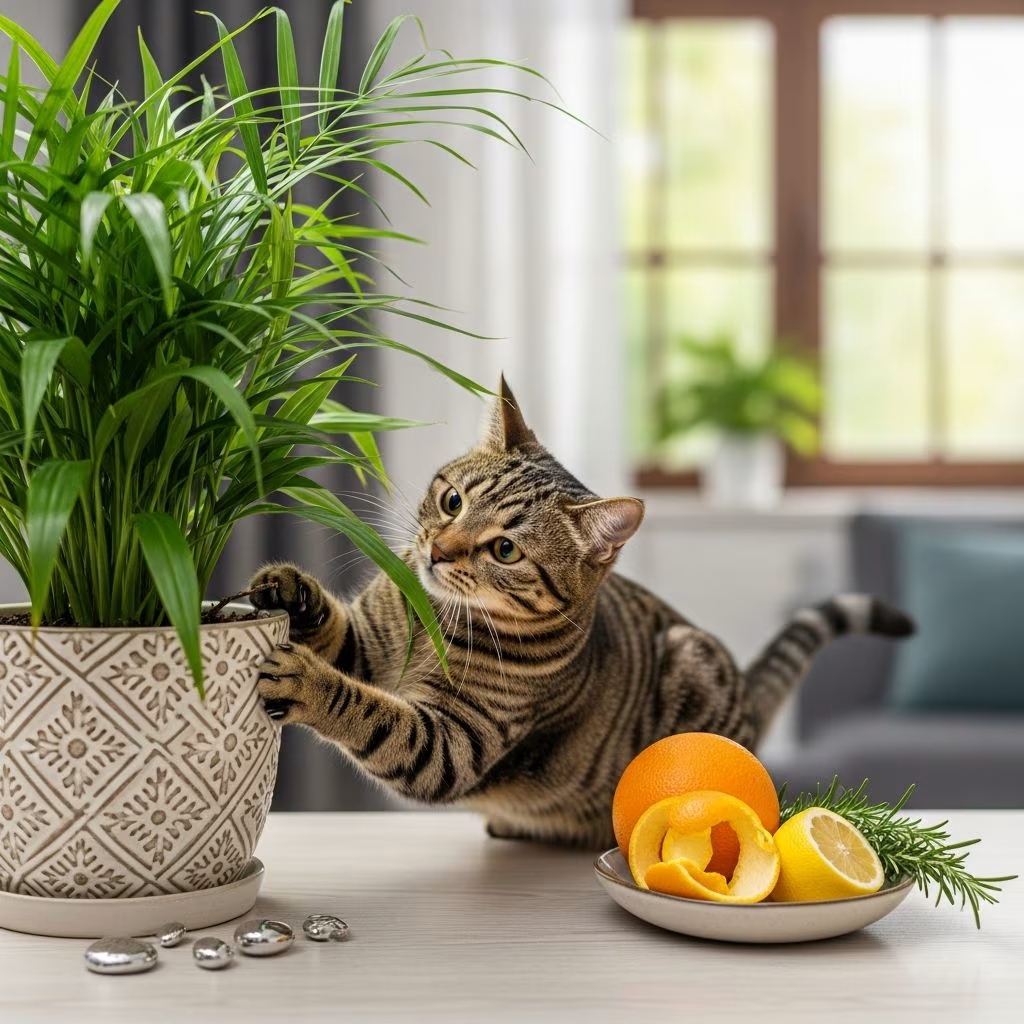
How to Keep Cats Away from Plants
Cats are curious creatures by nature, and their tendency to investigate and interact with houseplants can be frustrating for pet owners who want to maintain a vibrant indoor garden. Whether your feline friend is chewing on leaves, digging in soil, or knocking over pots, the behavior can damage your plants and potentially expose your cat to toxic substances. Understanding why cats are attracted to plants and implementing the right strategies can help you protect both your greenery and your pet.
Why Cats Are Attracted to Plants
Before addressing solutions, it’s important to understand the root causes of plant-related behaviors in cats. Cats may be drawn to houseplants for several reasons, including nutritional deficiencies, boredom, natural hunting instincts, or simply the appeal of the soil as a litter box alternative. Some cats chew on plants to obtain additional fiber or nutrients, while others are attracted to the texture and movement of leaves. By identifying what motivates your cat’s behavior, you can more effectively address the problem and find appropriate alternatives.
Making Plants Unappealing Through Scent
Cats have an exceptionally keen sense of smell, and this sensitivity can be leveraged to discourage them from investigating your plants. By making your plants smell unpleasant to feline senses, you can significantly reduce unwanted interactions. Several natural options are highly effective and safe for your cat.
Natural Scent Deterrents
Citrus solutions are among the most popular and effective deterrents. Cats have a strong distaste for citrus scents, making lemon, lime, and orange excellent options. You can spray a diluted citrus juice mixture directly on plant leaves or place citrus peels in the soil. Mix fresh lemon or orange juice with water and apply it regularly for best results. Avoid using concentrated citrus oils, as these can be toxic to your cat.
Cayenne pepper is another powerful deterrent that requires minimal application. Simply sprinkle a light amount around the base of your plants. One whiff is often enough to convince your cat to seek entertainment elsewhere. This method is particularly effective for cats that are persistent plant diggers.
Vinegar is an inexpensive and readily available solution that most households already have on hand. Create a simple spray by combining equal parts water and white vinegar in a spray bottle. Apply this mixture to the soil and leaves of your plants. The strong smell will deter most cats, and it won’t harm your plants or your pet. Additionally, rosemary and other aromatic herbs can serve dual purposes—repelling cats while adding pleasant scents to your home environment.
Choosing Cat-Resistant Plants
One effective long-term strategy is to carefully select which plants you keep in your home. Some plants are naturally less appealing to cats and can coexist peacefully with your feline companions. Strategic plant selection reduces the need for constant vigilance and deterrent applications.
Plant Options That Deter Cats
Rosemary is an excellent choice for indoor gardeners with cats. This herb grows well indoors, smells wonderful to humans, and has a scent and taste that cats find unappealing. Thorny and prickly plants such as roses and cacti provide natural physical barriers. The uncomfortable sensation of thorns on their paws teaches cats to avoid these plants quickly and effectively. Scaredy Cat plants are specifically bred to repel felines and can be an excellent addition to your indoor garden.
When selecting plants, always verify that they are non-toxic to cats. Some popular houseplants, including lilies, dieffenbachia, and philodendrons, are extremely toxic to felines and should be avoided entirely, regardless of whether your cat shows interest in them.
Using Commercial Cat-Deterrent Products
Over-the-counter pet sprays designed specifically to keep cats away from houseplants offer a convenient solution for many pet owners. These commercial products are formulated with non-toxic ingredients that discourage cats without causing harm. Before allowing your cat near any new substance, consult with your veterinarian to ensure safety and appropriateness for your specific pet.
For those interested in homemade solutions, creating your own deterrent spray is simple and cost-effective. A basic formula requires only water and vinegar—ingredients most people already have at home. Apply this spray regularly, especially after watering your plants, to maintain its effectiveness.
Strategic Plant Placement
Perhaps the most straightforward approach to protecting your plants is making them physically inaccessible to your cat. By placing plants in strategic locations throughout your home, you significantly reduce the likelihood of unwanted interactions.
Placement Strategies
Off-limits rooms offer ideal locations for houseplant collections. Sunny bedrooms, bathrooms, and sun rooms can provide excellent growing conditions while keeping your plants away from curious paws. Simply close the door to restrict your cat’s access to these spaces.
High shelves work well for many cats, though you should consider your individual cat’s climbing abilities. Place plants on shelves that require significant jumping or climbing effort, making the effort less worthwhile for your feline friend. Hanging baskets and hanging pots suspended from ceiling hooks or plant hangers keep plants completely out of reach. These arrangements are attractive additions to your décor while providing effective protection.
Plant stands with narrow bases make climbing more difficult and unstable. Choose designs that offer minimal grip or climbing surface, discouraging cats from attempting to access elevated plants.
Creative storage solutions can also protect your plants. Terrariums, old fish tanks, or decorative dome birdcages can serve as protective enclosures for plants, keeping cats completely separated from soil and foliage while maintaining aesthetic appeal in your home.
Making Soil and Pots Unappealing
Cats are often attracted to plant soil because it resembles litter and provides an ideal digging medium. Making the soil surface uncomfortable or unpleasant can effectively discourage this behavior without causing harm to your cat.
Soil Coverage Methods
Aluminum foil is an effective deterrent that most cats dislike. The texture and sound of foil on their paws create an unpleasant sensation that encourages avoidance. However, foil isn’t particularly attractive, so many prefer alternative coverings.
Decorative rocks or pebbles provide both functionality and aesthetic appeal. Cover the soil surface with small stones, starting with lighter options and progressing to heavier pebbles if your cat continues to bat them around. This creates an uncomfortable walking surface that discourages digging.
Sticky Paws tape is specifically designed for pet deterrence and creates a sticky surface cats find unpleasant. Place an inexpensive plastic placemat over the soil, cut it to fit your pot, and attach Sticky Paws tape to the surface. Never use regular double-sided tape, as this is not designed for pet safety. For decorative solutions, wooden planter covers allow airflow and water access while physically blocking access to soil.
Landscape fabric or burlap spritzed with citrus solution can be placed over soil to create a multi-layered deterrent approach. This combines the unpleasant texture with the scent deterrent cats naturally avoid.
Providing Safe Plant Alternatives
Rather than simply preventing access to plants, providing your cat with safe, approved plants to interact with can satisfy their natural urges while protecting your valued houseplants. This approach addresses the root motivation behind plant-related behaviors.
Cat-Safe Plants
Creating an indoor cat garden gives your feline companion approved plants to enjoy. Catnip, cat thyme, parsley, valerian, rosemary, and wheat grass are excellent cat-friendly options. If you grow grass for your cat, ensure it’s specifically intended for feline consumption and keep it cut short, as mature grain growth can become toxic. Additionally, nutritional supplements and specialized cat foods containing fiber can help address nutritional motivations for plant chewing.
Use small pots for your cat garden to reduce the appeal of digging in the soil. Choose organic, chemical-free potting soil to ensure safety. Monitor how much your cat consumes from these plants and discuss dietary concerns with your veterinarian. It’s important to note that cats have difficulty distinguishing between safe and unsafe plants, so maintaining physical barriers around your other houseplants remains crucial even when providing alternatives.
Training Your Cat to Avoid Plants
While making plants unappealing through scent and physical barriers is often more effective than training, some cat owners use behavior modification techniques to discourage plant interaction. These methods should be implemented carefully and never involve punishment or causing pain to your cat.
Sensor-activated air sprays can create an automatic deterrent system. When your cat approaches a plant, the device triggers a harmless burst of air that startles them, creating a negative association with the behavior. Over time, cats learn to avoid plants to prevent the startling sensation. This approach works best when combined with other deterrents and is implemented consistently.
Never use punishment-based training methods such as spraying your cat directly with water or using physical corrections. These approaches damage your bond with your pet and create fear and anxiety without effectively teaching the desired behavior.
Frequently Asked Questions
Q: Are some houseplants toxic to cats?
A: Yes, many common houseplants are toxic to cats, including lilies, dieffenbachia, philodendrons, sago palm, and oleander. Always research plant toxicity before bringing plants into a home with cats, and contact your veterinarian immediately if your cat ingests a potentially toxic plant.
Q: Can I use essential oils to deter my cat from plants?
A: Concentrated essential oils should be avoided, as many are toxic to cats. Stick to diluted natural solutions like citrus juice mixed with water or vinegar-based sprays, which are safe and effective.
Q: How often should I reapply deterrent sprays?
A: Reapply deterrent sprays regularly, particularly after watering your plants. Most sprays lose effectiveness over time, so weekly applications or after each watering typically provides the best results.
Q: Will my cat eventually lose interest in plants?
A: Some cats may lose interest over time if plants remain consistently unappealing or inaccessible, but many remain curious indefinitely. Maintaining preventative measures provides the most reliable long-term protection for your plants.
Q: What should I do if my cat eats a toxic plant?
A: Contact your veterinarian or the ASPCA Animal Poison Control Center immediately. Provide information about the plant species and the amount consumed. Prompt veterinary attention is essential for the best outcome.
Conclusion
Keeping cats away from houseplants requires a multi-faceted approach that combines physical barriers, sensory deterrents, and strategic alternatives. By understanding your cat’s motivations and implementing appropriate protective measures, you can maintain a thriving indoor garden while ensuring your feline companion’s safety and well-being. The most effective strategy typically involves combining multiple methods—such as placing plants out of reach, using natural scent deterrents, providing safe plant alternatives, and covering soil with uncomfortable textures. With patience and consistency, you can create a home environment where both you and your cat can coexist peacefully with your beloved houseplants.
References
- 4 Ways to Stop Your Cat from Eating Houseplants — Gallant. https://www.gallant.com/blog/4-ways-to-stop-your-cat-from-eating-houseplants/
- How to STOP Your Cat from Munching on Your Plants (Proven Methods) — Outdoor Bengal. https://www.outdoorbengal.com/blogs/correcting-cat-behavior/how-to-stop-your-cat-from-munching-on-your-plants
- Keeping Your Cat Out of Your Houseplants — Preventive Vet. https://www.preventivevet.com/cats/how-to-keep-your-cats-out-of-your-houseplants
- Try these to STOP a CAT from CHEWING PLANTS — Betsy Begonia. https://www.youtube.com/watch?v=xcDtxEASk1Y



