

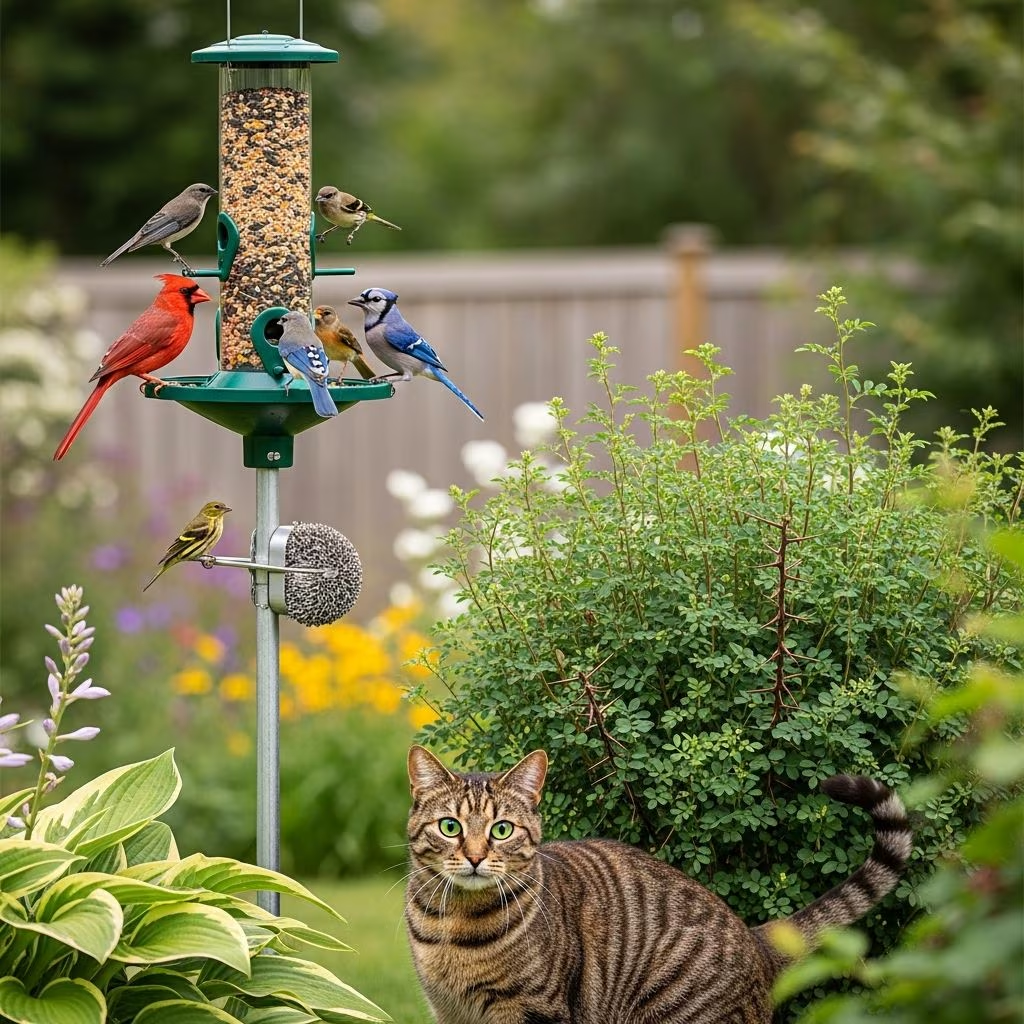
Bird feeders attract a delightful array of feathered visitors to your backyard, but they can also draw the attention of neighborhood cats, both pets and ferals. Cats are natural predators with exceptional hunting skills, making bird feeders prime targets for pouncing. Protecting birds requires humane strategies that deter cats without harm. This guide outlines six proven methods, drawing from expert recommendations to balance wildlife enjoyment with pet safety.
Understanding the challenge is key: cats stalk prey stealthily, using cover like bushes or decks. Birds need early warning to escape. Effective solutions modify the environment, leveraging cat behavior—aversion to open spaces, slippery surfaces, unpleasant scents, or surprises—while prioritizing ethics and efficacy.
The 6 Tips for Keeping Cats Away from Bird Feeders
Implementing a combination of these tips yields the best results. Start with prevention and layer deterrents for comprehensive protection.
1. Keep Your Cat Indoors
The most straightforward method is preventing your own cat from accessing the yard during prime bird-feeding times. Indoor living extends cat lifespans significantly—indoor cats live 2-5 times longer than outdoor ones due to reduced risks from traffic, fights, and diseases. Provide enrichment like window perches, toys, and puzzle feeders to satisfy hunting instincts safely.
For feral or neighbor cats, focus on other methods, but encourage neighbors to keep pets indoors. Community efforts amplify success, fostering coexistence between bird lovers and cat owners.
2. Make the Bird Feeders Tough to Reach
Modify feeder access to exploit cats’ climbing limitations. Hang feeders from tall poles (at least 10-12 feet high) in open yard centers, away from decks, trees, or fences cats could scale. Install baffles—dome- or cone-shaped guards—on poles to block climbs. These slippery barriers cause cats to slide off, giving birds escape time.
Opt for sturdy, squirrel-proof poles without nearby launch points. Weight-activated feeders close under cat weight, further securing seeds. This method starves predation opportunities without confrontation.
3. Place Bird Feeders in Open Spaces
Cats thrive on ambush from cover; deny them hiding spots by positioning feeders 10-12 feet from bushes, shrubs, trees, or structures. Open spaces expose cats, alerting birds to danger via visibility and lack of stealth.
Prune low branches for clear undergrowth views—birds spot threats sooner. Avoid decks or tree hangs where cats lurk unseen. Elevated, isolated spots ensure birds feed confidently, increasing visits.
- Maintain 10+ feet clearance from potential cover.
- Prune shrubs to waist height or lower.
- Use open lawns for maximum visibility.
4. Add Scent Deterrent to the Feeder
Cats possess over 200 million scent receptors, far surpassing humans. Harsh odors repel them humanely. Safe options include citrus peels (orange, lemon), coffee grounds, vinegar sprays, or commercial cat repellents like Four Paws.
Avoid toxic mothballs—naphthalene causes anemia, liver damage in cats, birds, and wildlife. Petroleum jelly slips cats but mats bird feathers, impairing flight. Refresh natural deterrents weekly; integrate into landscaping for persistence.
| Deterrent | Pros | Cons | Safety |
|---|---|---|---|
| Citrus Peels | Cheap, natural | Needs frequent refresh | High for all animals |
| Vinegar Spray | Strong odor | Rains off quickly | High |
| Commercial Repellents | Long-lasting | Cost | Check labels |
| Mothballs (Avoid) | Strong smell | Toxic | Dangerous |
5. Add Spikes Around the Feeder
Disrupt stalking by creating uncomfortable ground. Plastic scat mats with blunt spikes deter crouching without injury. Bird-safe fencing (3×3-inch mesh) encircles feeders—birds fly through, cats jump over, losing the element of surprise.
Plant prickly barriers like holly, roses, or lavender around bases. Barriers slow leaps from cover, buying birds microseconds to flee. Combine with open placement for layered defense.
- Scat mats: Portable, reusable.
- Thorny plants: Aesthetic, permanent.
- Fencing: Allows bird escape.
6. Motion Sensor
Technology surprises cats effectively. Motion-activated sprinklers deliver startling water bursts, harmless but startling. Ultrasonic devices emit high-frequency sounds aversive to cats, inaudible to humans. Lights or sprinklers work day/night for ferals.
Position sensors to cover approaches without startling birds excessively. Solar-powered options suit backyards. Humane and ethical, they condition cats to avoid the area long-term.
Additional Strategies for Long-Term Success
Beyond the core six, integrate complementary tactics. Use no-mess seeds to minimize ground spills attracting cats. Regular cleaning prevents disease, keeping birds healthy.
Consider catios—enclosed patios—for supervised outdoor time. Thin-wire suspensions sway, deterring climbs. Baffles on trees prevent leaps.
Dangerous Methods to Avoid
Prioritize safety: Mothballs poison via ingestion/inhalation. Petroleum jelly harms bird flight. Poisons risk non-target wildlife. Stick to proven, ethical alternatives.
Frequently Asked Questions (FAQs)
What is the best height for bird feeders to deter cats?
Place feeders 10-12 feet high on poles with baffles, away from jump aids.
Are ultrasonic devices effective against feral cats?
Yes, they emit cat-averse sounds humanely.
Can I use plants to keep cats away?
Thorny plants like roses or holly create barriers.
How do I clean up after using scent deterrents?
Remove residues promptly to avoid bird contact; use natural, rinseable options.
Will keeping my cat indoors really help birds?
Absolutely—indoor cats kill fewer birds, extending their own lives.
Final Thoughts
Safeguarding bird feeders from cats enhances biodiversity and backyard joy. Combine open placement, baffles, deterrents, and tech for robust protection. Humane methods ensure ethical harmony. Experiment to suit your yard; observe improvements in bird traffic.
References
- Problem Solving – Cats — Wild Birds Unlimited Newmarket. 2023. https://newmarket.wbu.com/problem-solving-cats
- What is the best way to keep cats off bird feeders? — Jacobi Jayne. 2024. https://shop.jacobijayne.com/blogs/news/what-is-the-best-way-to-keep-cats-off-bird-feeders
- How to Keep Cats Away From Bird Feeders: 6 Proven Methods — Catster. 2024-01-14. https://www.catster.com/lifestyle/how-to-keep-cats-away-from-bird-feeders/
- 6 ways to stop your cat hunting birds — SongBird Survival. 2023. https://www.songbird-survival.org.uk/post/blog-6-ways-to-stop-your-cat-hunting-birds-1
- Keeping Birds Safe from Outdoor Cats — National Wildlife Federation Blog. 2017-09-12. https://blog.nwf.org/2017/09/keeping-birds-safe-from-outdoor-cats/



