

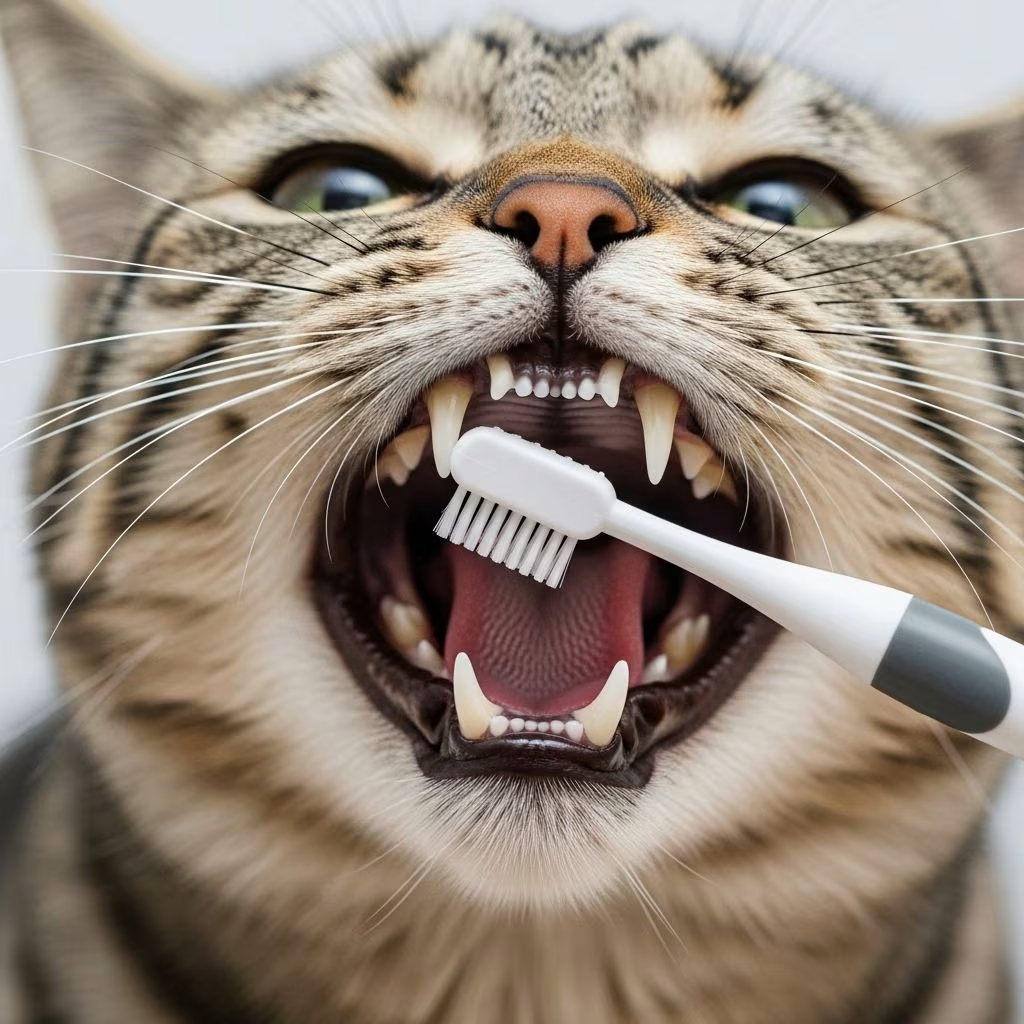
Dental health is a critical but often overlooked aspect of cat care. Just like humans, cats require regular attention to their teeth and gums to prevent disease, discomfort, and costly veterinary procedures. Poor oral hygiene in cats can lead to serious health complications, including periodontal disease, tooth decay, and systemic infections that affect vital organs. Understanding how to maintain your cat’s dental health is one of the most important responsibilities of pet ownership.
Why Cat Dental Care Matters
Many cat owners don’t realize that dental disease is one of the most common health problems affecting cats today. Without proper care, plaque and tartar accumulate on teeth, leading to inflammation, infection, and eventually tooth loss. The bacteria from untreated dental disease can also enter the bloodstream and affect your cat’s heart, kidneys, and liver. By implementing a comprehensive dental care routine, you can prevent these serious health issues and keep your feline friend comfortable throughout their life.
Getting Started with Cat Teeth Brushing
Choose the Right Tools
Before you begin brushing your cat’s teeth, it’s essential to gather the proper supplies. The most critical tool is a toothbrush specifically designed for cats. These brushes typically have smaller heads and softer bristles that won’t irritate your cat’s delicate gums. Some pet owners find finger brushes more effective, as they provide better control and feel less invasive to their cats. A human baby toothbrush can also work well as an alternative.
Equally important is selecting the right toothpaste. Never use human toothpaste on your cat, as it contains fluoride and other ingredients that are toxic to felines. Instead, purchase toothpaste formulated specifically for cats, which comes in flavors like poultry, seafood, and beef that most cats find palatable.
Introduce the Toothpaste Gradually
The key to successful tooth brushing is patience and gradual introduction. Start by allowing your cat to taste a small amount of cat-specific toothpaste from your finger. This familiarization step helps your cat become comfortable with the taste and smell before any brushing begins. You may want to try different flavors to discover which one your cat prefers.
During this initial phase, simply place a small dab of toothpaste on your finger and let your cat lick it off. This positive association can take several days or even a week, but it’s crucial for long-term success. Reward your cat with praise and treats after each session to reinforce the positive experience.
Step-by-Step Tooth Brushing Technique
Step 1: Get Your Cat Comfortable with Mouth Handling
Before you attempt any brushing, your cat needs to become accustomed to having their mouth touched. Start by gently lifting your cat’s lips with your finger, then lightly massage their teeth and gums for just a few seconds. Don’t expect too much during these early attempts—you may only be able to touch one or two teeth before your cat becomes uncomfortable. Stop before your cat gets agitated, and always end the session on a positive note with praise and a treat.
During this phase, it may take up to a month for your cat to become fully comfortable with having their mouth handled. This patience investment pays dividends when your cat eventually tolerates a full brushing session.
Step 2: Introduce Gauze or a Soft Cloth
Once your cat accepts having their mouth touched, introduce a small piece of soft gauze wrapped around your finger. Using gentle circular motions, wipe the gauze over your cat’s teeth and gums. This step acclimates your cat to the rubbing sensation they’ll experience during brushing. If your cat never learns to tolerate a toothbrush, using gauze two to three times per week can still effectively remove plaque and bacteria.
Step 3: Begin Brushing with a Toothbrush
When your cat shows comfort with gauze, you can introduce an actual toothbrush. Apply a small amount of cat-specific toothpaste to the soft-bristled brush. Using gentle, circular motions, brush along the gum line at a 45- to 60-degree angle. Focus primarily on the outside surfaces of the teeth, as this is where the most tartar accumulates.
Start with just a few strokes, focusing on the larger canine teeth first. Three soft strokes back and forth is sufficient to begin. If the bristles bend while brushing, you’re applying too much pressure—lighten your touch. Gradually increase the number of teeth you brush with each session as your cat becomes more comfortable.
Step 4: Progress to a Complete Brushing Routine
Eventually, work your way up to brushing all of your cat’s teeth. The complete brushing process should take between 90 and 120 seconds at a maximum, with approximately 30 seconds spent on each side of the mouth. It may take weeks or even months before your cat tolerates having all their teeth cleaned in a single session, and that’s completely normal.
Always stop if your cat shows signs of anxiety or irritation. Building tolerance gradually is more important than achieving perfection quickly. Consistency is key—ideally, you should brush your cat’s teeth daily, but even three to four times per week provides significant benefits.
Alternative Tooth Cleaning Methods
Dental Gel and Oral Rinses
If your cat refuses to tolerate traditional tooth brushing, alternative methods can still support dental health. Dental gels designed for cats can be applied directly to teeth using a toothbrush or finger, allowing the gel to work against bacteria and plaque buildup. Oral rinses represent one of the most thorough cleansing options available—simply squirt a small amount of the product between your cat’s cheek and teeth on each side of the mouth.
Water Additives
VOHC-approved water additives can help reduce tartar buildup over time. These products are added to your cat’s drinking water daily and work passively to maintain oral health without requiring any handling of your cat’s mouth.
Dental Treats and Chews
While more popular with dogs, certain dental treats and chews can benefit cats as well. Products like Purina Pro Plan Crunchy Bites and Greenies treats provide a crunchy surface that helps clean teeth mechanically. Greenies treats have been clinically proven to reduce tartar when fed twice daily. You can also apply dental gel to your cat’s favorite toy to encourage chewing and oral stimulation.
Professional Dental Cleanings
When Professional Care is Necessary
Despite your best at-home efforts, professional dental cleanings performed by your veterinarian remain an important component of feline dental care. Your vet can identify early signs of dental disease and remove tartar buildup that home care cannot address.
What Happens During a Professional Cleaning
During a professional cleaning, your veterinarian will evaluate your cat’s mouth and note any diseased teeth. Using both hand and ultrasonic scalers, they will remove tartar above and below the gum line. The tartar below the gum line is particularly significant, as it causes the most substantial periodontal disease. After scaling, teeth are polished to remove microscopic scratches and decrease the rate of subsequent plaque buildup. Your vet may also apply a sealer to reduce plaque accumulation.
Building a Sustainable Routine
Consistency is Key
The most effective dental care routine is one you can maintain long-term. Rather than attempting ambitious daily brushing that leads to burnout, establish a realistic schedule you can commit to. Even brushing three to four times per week provides significant benefits compared to no care at all.
Creating a Positive Experience
Always end dental care sessions before your cat becomes frustrated or anxious. Use high-value treats and enthusiastic praise to reward cooperation. Building positive associations with dental care ensures your cat remains willing to participate in these important health routines.
Track Your Progress
Keep a simple record of your brushing sessions to maintain accountability and identify patterns. Note which teeth your cat tolerates best and which times of day your cat seems most cooperative. This information helps you optimize your routine over time.
Age Considerations for Dental Care
Kittens and Young Cats
It’s best to introduce teeth brushing when your cat is young, as kittens adapt more readily to new routines. Starting dental care early establishes lifelong habits and prevents early plaque accumulation.
Adult Cats
Even adult cats can learn to tolerate tooth brushing, though the process may take longer than with kittens. Senior cats benefit tremendously from continued dental care, as maintaining oral health becomes increasingly important as cats age.
Common Challenges and Solutions
My Cat Won’t Let Me Touch Their Mouth
If your cat refuses to allow mouth handling, start with much shorter sessions—even five seconds of gentle lip touching is progress. Use especially high-value treats and maintain a calm demeanor. Some cats require weeks of gradual desensitization before tolerating any mouth contact.
My Cat Tolerates Some Teeth but Not Others
This is completely normal. Cats often have preference areas within their mouth. Continue working on the teeth they tolerate best while periodically attempting less-preferred areas. Over time, many cats develop greater tolerance across their entire mouth.
My Cat Absolutely Refuses Brushing
If traditional brushing proves impossible, alternative methods like dental gel, water additives, or gauze wiping provide meaningful benefits. Combined with professional cleanings and a dental diet, these alternatives can maintain reasonable oral health.
Frequently Asked Questions
Q: How often should I brush my cat’s teeth?
A: Ideally, brush your cat’s teeth daily. However, three to four times per week provides significant benefits. Even less frequent brushing is better than no dental care at all.
Q: Can I use human toothpaste on my cat?
A: No, never use human toothpaste on cats. Human toothpaste contains fluoride and other ingredients toxic to felines. Always use toothpaste formulated specifically for cats.
Q: At what age should I start brushing my cat’s teeth?
A: You can begin introducing dental care when your cat is a kitten, though cats of any age can learn to tolerate brushing with patience and gradual introduction.
Q: What if my cat still won’t tolerate brushing after weeks of training?
A: Try alternative methods like dental gel, water additives, gauze wiping, or dental treats. Combine these with regular veterinary checkups and professional cleanings.
Q: How often should my cat have professional dental cleanings?
A: This depends on your individual cat’s oral health. Discuss a professional cleaning schedule with your veterinarian based on your cat’s specific needs.
Q: Are dental treats effective for cats?
A: Yes, certain dental treats like Greenies have been clinically proven to reduce tartar when fed regularly, though they should complement rather than replace brushing.
Q: What are the signs my cat has dental disease?
A: Signs include bad breath, difficulty eating, swollen gums, visible tartar on teeth, drooling, and behavioral changes related to mouth pain. Contact your veterinarian if you notice these symptoms.
References
- How To Clean Your Cat’s Teeth — New Hope Animal Hospital. 2022-06-30. https://www.newhopeanimalhospital.com/site/blog/2022/06/30/how-to-clean-your-cats-teeth
- How to Clean Your Cat’s Teeth and Why It’s Important — GoodRx. https://www.goodrx.com/pet-health/cat/cat-teeth-cleaning
- Cat Teeth Cleaning: Do or Don’t? — Whisker. https://www.whisker.com/blog/cat-teeth-cleaning-do-or-dont
- 6 Tips for Cleaning a Cat’s Teeth — PetMD. https://www.petmd.com/cat/general-health/clean-cat-teeth
- Dental Cleaning in Cats — VCA Animal Hospitals. https://vcahospitals.com/know-your-pet/dental-cleaning-in-cats
- Essential Tips to Keep Your Cat’s Teeth Clean and Healthy — Rear Road Animal Hospital. https://www.rearoadanimalhospital.com/how-to-keep-your-cats-teeth-clean-healthy/



