

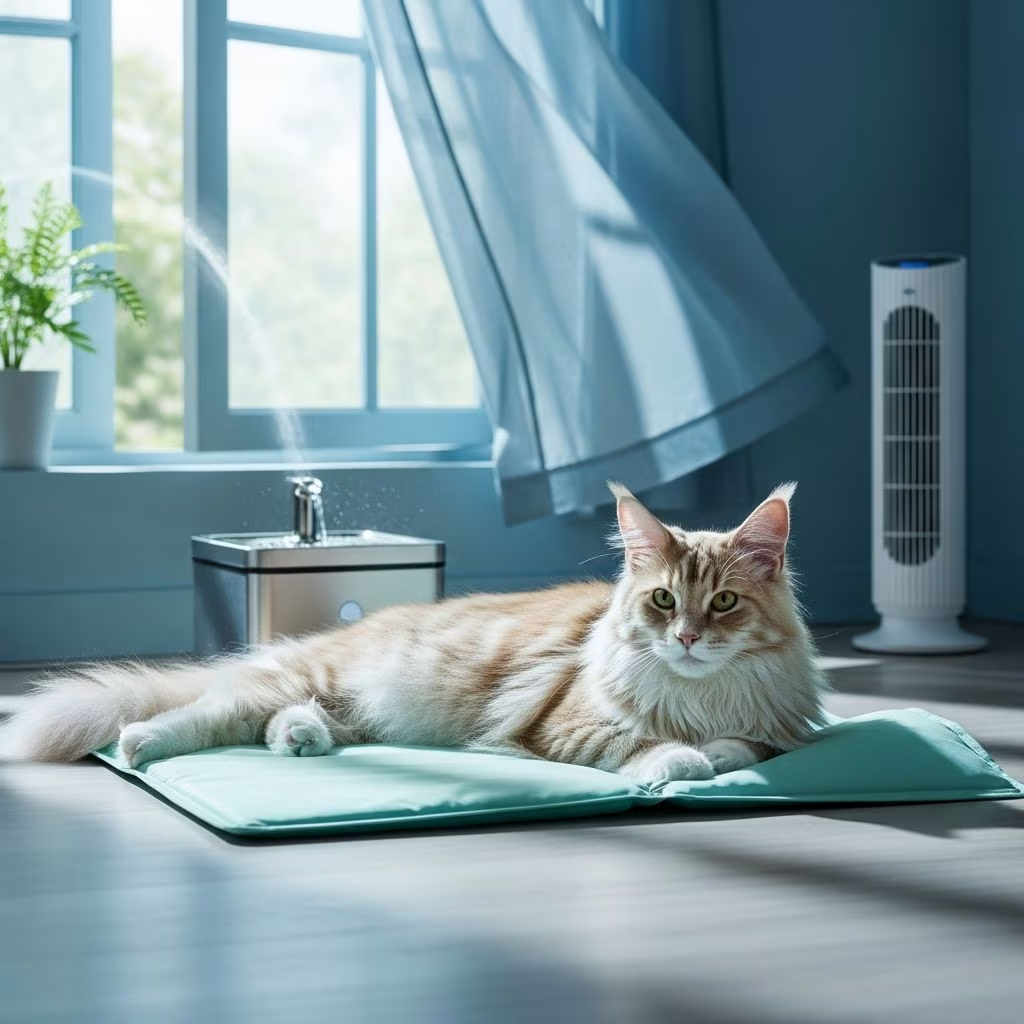
Cats are masters at finding cozy spots, but soaring temperatures can overwhelm their cooling systems, leading to dangerous overheating or full-blown heat stroke—a potentially fatal emergency. Unlike dogs, cats don’t pant effectively and rely on grooming and seeking shade, making them vulnerable in hot weather. This comprehensive guide covers recognizing early signs, immediate first aid steps, professional treatments, and proactive prevention strategies to keep your feline safe and comfortable year-round.
Understanding Heat Stroke in Cats
Heat stroke, or hyperthermia, occurs when a cat’s body temperature exceeds 104°F (40°C), rising rapidly to 107°F (41.7°C) or higher without proper cooling. Normal feline body temperature ranges from 100.5°F to 102.5°F (38–39.2°C). High humidity compounds the risk by impairing evaporation from grooming. Indoor cats can suffer too—from stuffy rooms or cars—while outdoor cats face amplified dangers.
Brachycephalic (flat-faced) breeds like Persians, obese cats, seniors, and kittens are at higher risk due to inefficient breathing or reduced mobility. Even brief exposure to 90°F+ (32°C+) with humidity can trigger crisis.
Signs and Symptoms of Heat Stroke
Early detection saves lives. Symptoms progress from subtle to severe—act fast at the first sign.
- Early signs: Excessive grooming (to cool via saliva evaporation), panting (rare in cats), restlessness seeking cool spots, reduced urine output.
- Moderate signs: Rapid breathing, increased heart rate, bright red gums/tongue, drooling, vomiting, diarrhea, heavy breathing.
- Severe signs (emergency): Weakness, disorientation, staggering/collapse, muscle tremors, seizures, unconsciousness, blue/pale gums.
Monitor rectal temperature if possible: Above 104°F signals danger; 105°F+ demands immediate cooling. Cats may hide symptoms initially, masking severity.
First Aid for Overheated Cats
Time is critical—begin cooling immediately while heading to a vet. Never use ice; it shocks the system and constricts blood vessels, worsening heat trapping.
- Remove from heat: Move to air-conditioned room or shade.
- Cool gradually: Wet with room-temperature water (hose, towels) on belly, paws, ears, groin/armpits. Use fan for evaporation. Alcohol wipes on paw pads aid cooling via evaporation.
- Hydrate: Offer cool water, tuna water, or low-salt broth. Add ice cubes to bowls.
- Monitor temperature: Check every 10 minutes until below 103°F (39.4°C).
- Seek vet NOW: Even if improving, organ damage may lurk. Transport calmly.
Home treatment limits: Fine for mild cases (heat exhaustion), but heat stroke requires professional care. Avoid forcing water or full immersion.
Veterinary Treatment for Heat Stroke
Vets stabilize via:
- Cooling protocols: IV cool fluids, fans, enemas.
- IV fluids: Combat dehydration, support organs.
- Oxygen therapy: For breathing distress.
- Medications: Anti-inflammatories, anti-seizure, stomach protectants.
- Hospitalization: 24–48 hour monitoring for complications like kidney failure, clotting.
Prognosis improves with rapid intervention; delays raise mortality.
How to Keep Your Cat Cool in Hot Weather
Prevention beats cure. Implement these daily habits:
- Water everywhere: Multiple bowls, fountains, iced water. Feed wet food for 70–80% hydration boost.
- Shade and AC: Fans, open screened windows, cool mats. Avoid peak sun (10am–4pm).
- Grooming aid: Brush out undercoat; consider vet-approved clips for longhairs (protect light skin from burns).
- Enrichment: Frozen treats (broth in trays), cool tiles/basements.
| Risk Factor | Prevention Tip |
|---|---|
| Obese/Senior Cats | Extra monitoring, indoor-only during heat |
| Long-haired Breeds | Regular brushing, belly clips |
| Outdoor Access | Shaded shelters, recall training |
| Cars/Hot Rooms | Never leave alone—temps soar 20°F in minutes |
Long-Term Prevention Strategies
Build resilience:
- Acclimate gradually to warmth.
- Health checks: Rule out heart/lung issues.
- Weight management: Obesity hinders cooling.
- Smart feeders/timers for cool-hour meals.
- Emergency kit: Thermometer, cooling towels, vet hotline.
FAQs
Can indoor cats get heat stroke?
Yes, stuffy homes without AC can reach deadly temps. Provide fans and hydration.
How long does heat stroke take to kill a cat?
Minutes to hours if untreated; core temp over 107°F causes organ shutdown.
Is panting normal in cats?
No—indicates distress. Normal temp regulation is via grooming.
Can I shave my cat completely for cooling?
Avoid full shaves; fur insulates. Consult vet for sanitary clips.
What if my cat recovers at home—still see vet?
Absolutely. Silent organ damage common; bloodwork needed.
Key Takeaways
- Act on early signs: Panting, grooming frenzy.
- Cool gradually—no ice.
- Prevent: Water, shade, grooming.
- High-risk cats need vigilance.
With awareness, most heat risks are avoidable. Stay proactive—your cat’s quiet demeanor hides vulnerability to summer heat.
References
- Heat Stroke In Cats – Symptoms, Treatment and Prevention — Animal Emergency Service. 2023. https://animalemergencyservice.com.au/blog/heat-stroke-in-cats/
- Heatstroke in Cats: Signs, Treatment, and Prevention — UrgentVet. 2024. https://urgentvet.com/heatstroke-in-cats-signs-treatment-prevention/
- Heat Stroke in Cats – Symptoms & Treatments — Purina. 2024. https://www.purina.com/articles/cat/health/symptoms/heat-stroke-in-cats
- Understanding Cat Heat Stroke and How to Prevent It — MVA Vets. 2024. https://mvavets.com/blog/cat-heat-stroke/
- Heatstroke in Cats: Causes, Symptoms, & Treatment — Pflugerville Family Animal Hospital & Grooming. 2024-08-15. https://www.pflah.com/site/blog/2024/08/15/heatstroke-cats
- Heatstroke in Cats: Urgent First Aid and Emergency Steps — GSVS. 2024. https://gsvs.org/blog/heatstroke-in-cats-emergency-steps/
- Heatstroke Guide For Cats And Dogs — RSPCA Pet Insurance. 2024. https://www.rspcapetinsurance.org.au/pet-care/health-and-wellbeing/heatstroke-hyperthermia



