

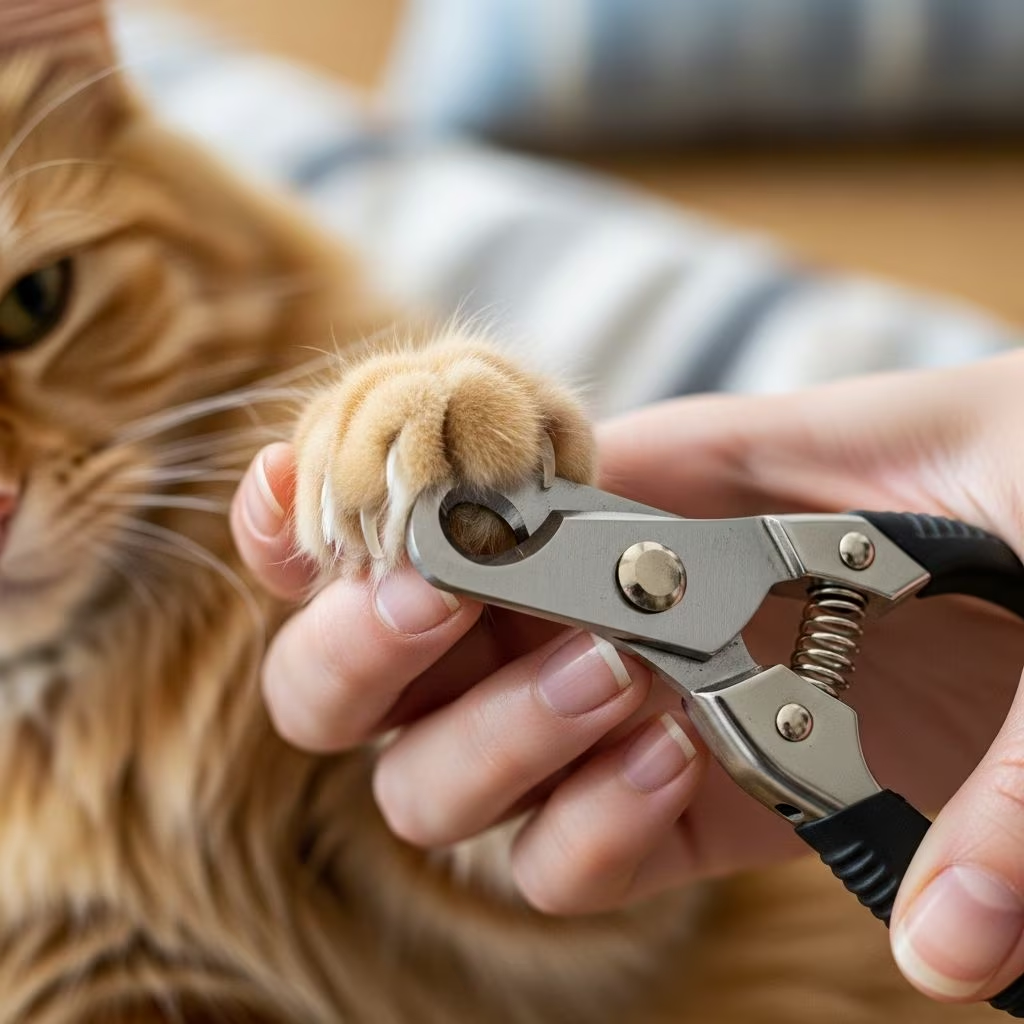
Cats’ claws are essential for their natural behaviors like climbing, scratching, and self-defense, but sharp claws can damage furniture and scratch people. Keeping cat claws dull safely involves humane methods such as regular trimming, providing appropriate scratching surfaces, and using protective caps, all while avoiding harmful practices like declawing. These vet-approved strategies promote your cat’s health and protect your home.
Why Do Cats Need to Scratch?
Cats scratch instinctively to maintain claw health, mark territory with scent glands in their paws, stretch muscles, and shed old nail sheaths. Scratching posts help naturally file down the outer keratin layer of claws, revealing sharper layers underneath without making them dangerously sharp. Without proper outlets, cats may scratch furniture, leading to household damage.
The Dangers of Declawing
Declawing, or onychectomy, surgically removes the last bone of each toe, causing chronic pain, behavioral issues, litter box avoidance, and increased bite risk. It limits cats’ ability to climb, balance, and defend themselves, making it an unnecessary and cruel procedure banned in many places. Humane alternatives like trimming and scratching posts fully address claw sharpness issues.
How to Trim Your Cat’s Nails at Home
Regular nail trimming is the most effective way to keep claws dull and prevent overgrowth, which can lead to ingrown nails or infections. Trim every 2-4 weeks, focusing on the sharp tip beyond the quick—the pink blood vessel inside the nail. Overgrown claws curl painfully into pads, especially in indoor or senior cats.
Steps for Safe Trimming:
- Plan sessions over several days if your cat is stressed; one claw per day is okay.
- Use high-quality pet nail clippers or guillotine-style tools designed for cats, avoiding human clippers which can crush nails.
- Stay calm; enlist a helper for restraint and treats for positive reinforcement.
- Gently squeeze the paw pad to extend the claw.
- Trim only the hooked tip, leaving 2mm from the quick; use styptic powder if you nick it.
- Work in good light and reward immediately after.
Practice handling paws daily to desensitize your cat. For uncooperative cats, trim during sleep or use a towel wrap.
The 5 Other Ways to Maintain Your Cat’s Claws
1. Get a Scratching Post
Sisal, cardboard, or carpet scratching posts satisfy natural urges and naturally dull claws by shedding outer sheaths. Place multiple posts near favored scratching spots; vertical for climbers, horizontal for others. Reward use with treats to encourage proper behavior.
2. Try Out Plastic Claw Caps
Plastic claw caps like Soft Paws glue over trimmed nails, blunting sharpness for 4-6 weeks. Available in sizes and colors, they protect furniture humanely but require monitoring as they shed naturally. Apply with pet-safe glue after trimming; cats adapt quickly.
3. Nail Grinder
Electric nail grinders use a rotating emery board to file tips smoothly without clipping shocks. Introduce slowly with short sessions; they’re quiet and effective for thick nails but may warm up during use.
4. Scratching Pad
Interactive scratching pads with treat compartments combine filing with play, encouraging regular use. Portable and textured, they dull claws while providing mental stimulation.
5. Regular Paw Checks
Inspect paws weekly for cracks, swelling, dirt, or overgrowth. Clean gently and trim as needed to prevent infections or injuries from snagging.
How to Stop Destructive Scratching
1. Provide Proper Alternatives
Offer varied scratchers matching your cat’s preferences—rough sisal for some, soft cardboard for others. Position near problem areas and use catnip to attract.
2. Turn Them Against Their Favorite Spots
Protect furniture with aluminum foil, double-sided tape, or citrus sprays—textures and scents cats dislike. These deter without punishment.
3. Distract Them
Redirect mid-scratch to a post with claps or toys, rewarding success. Never yell, as it creates fear.
Frequently Asked Questions (FAQs)
Do scratching posts dull or sharpen cat claws?
Scratching posts dull claws by removing the outer keratin sheath, exposing fresh layers beneath. They don’t sharpen like a knife but maintain healthy condition.
How often should I trim my cat’s nails?
Every 2-4 weeks for indoor cats; more frequent checks for seniors or less active ones.
Are claw caps safe for cats?
Yes, when sized correctly and applied post-trimming; they shed naturally without harm.
What if my cat won’t let me trim nails?
Use positive reinforcement, helpers, or consult a vet/groomer for sedation-free options.
Table: Comparison of Claw Maintenance Methods
| Method | Pros | Cons | Frequency |
|---|---|---|---|
| Nail Trimming | Precise control, inexpensive | Requires handling skills | 2-4 weeks |
| Scratching Post | Natural, promotes exercise | Space needed | Daily use |
| Claw Caps | Furniture protection | Reapplication needed | 4-6 weeks |
| Nail Grinder | Smooth finish, no quick risk | Noisy initially | Weekly |
| Scratching Pad | Fun, portable | Treat-dependent | As needed |
Combining methods yields best results: trim regularly, provide scratchers, and use caps for extra protection.
References
- Declawing of Cats: A Policy Statement — American Veterinary Medical Association. 2023-07-31. https://www.avma.org/resources-tools/avma-policies/declawing-cats-policy
- Cat Nail Trimming Guidelines — Cornell University College of Veterinary Medicine. 2024-05-15. https://www.vet.cornell.edu/departments-centers-and-institutes/cornell-feline-health-center/health-information/feline-health-topics/nail-trimming
- Feline Behavior and Scratching — International Cat Care. 2025-02-10. https://icatcare.org/advice/scratching-in-cats/
- Humane Alternatives to Declawing — Humane Society of the United States. 2024-11-20. https://www.humanesociety.org/resources/declawing-your-cat-dont-do-it
- Paw and Nail Health in Cats — ASPCA. 2025-01-05. https://www.aspca.org/pet-care/cat-care/cat-nail-care



