

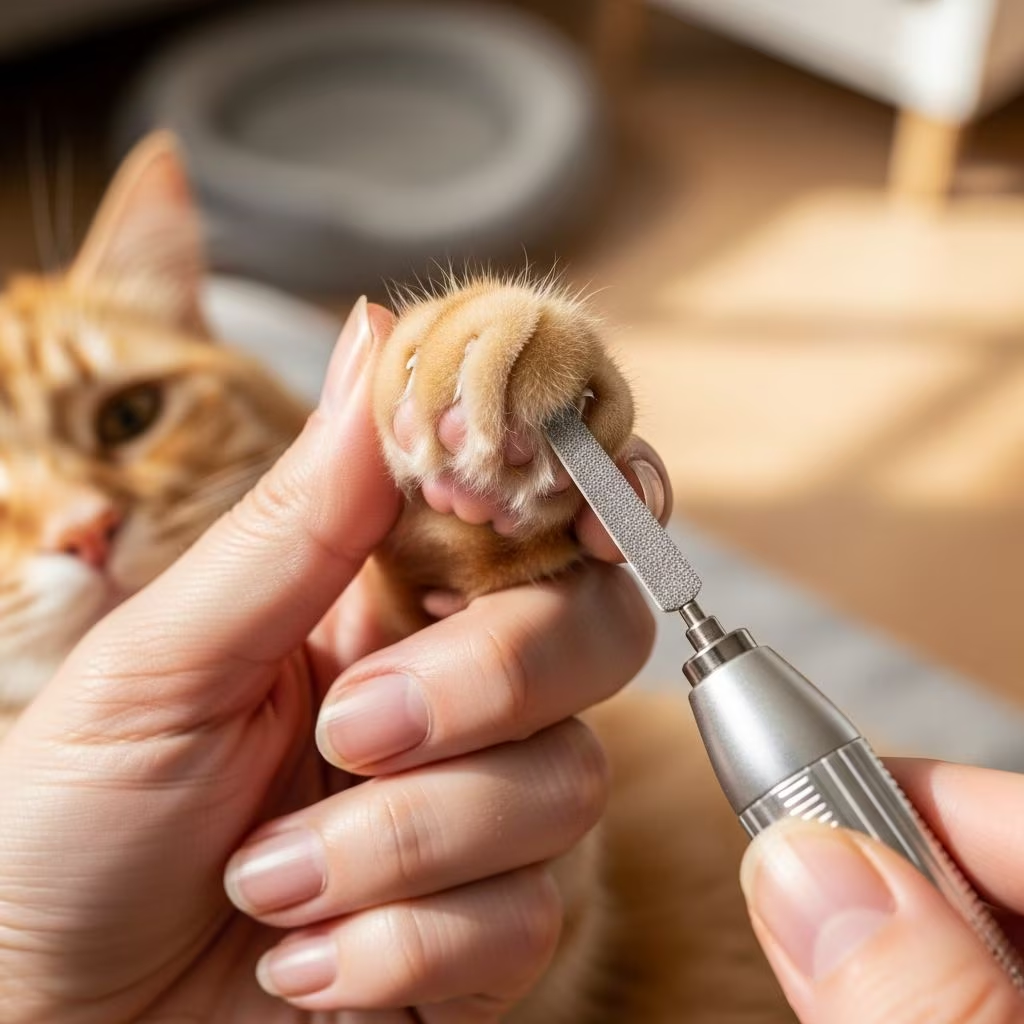
Cats naturally sharpen their claws through scratching, but indoor cats often need help keeping claws dull to prevent damage to furniture and reduce injury risk. Regular maintenance like trimming, providing scratching surfaces, and using protective caps ensures healthy paws and a harmonious home.
Why Keep Your Cat’s Claws Dull?
Maintaining dull cat claws benefits both your pet and household. Overgrown claws can curl into paw pads causing pain and infection, snag on fabrics leading to splits, or cause unintended scratches during play. Trimming retracts the sharp tips, while scratching wears them naturally. Indoor cats, less active on rough surfaces, require intervention every 2-4 weeks, more for seniors with thicker nails.
- Prevents ingrown nails: Curled claws pierce pads, risking infection.
- Protects furniture: Dull claws minimize shredding on couches and carpets.
- Reduces injury risk: Shorter claws snag less on skin, clothes, or rugs.
- Promotes paw health: Even weight distribution aids walking and jumping.
How Often Should You Trim Your Cat’s Nails?
Frequency varies by age, activity, and lifestyle. Indoor cats need trims every 2-4 weeks; front paws more often than rear. Kittens grow fast, requiring weekly checks, while older or less active cats benefit from bi-weekly sessions to manage brittle, thick nails. Monitor growth: if claws touch the floor when standing, it’s trim time.
What You’ll Need for Cat Nail Trimming
Gather cat-specific tools for safety and ease. Human clippers crush nails; opt for designed alternatives.
| Tool | Description | Best For |
|---|---|---|
| Mini Pliers/Scissors | Curved, long blade for maneuverability | Precise cuts on fidgety cats |
| Guillotine Trimmers | Nail fits in hole, blade drops sharply | Quick, clean snips |
| Dremel/Grinder | Files slowly, no sudden cuts | Nervous cats tolerant of noise |
| Styptic Powder | Stops bleeding if quick is nicked | Emergencies |
Good lighting and treats are essential for calm sessions.
8 Easy Steps to Trim Your Cat’s Nails
Follow these steps for stress-free trims. Start young for habituation.
- Acclimate paws: Daily massage toes from kittenhood. Press gently to extend claws without tools.
- Choose calm time: Post-meal or play when relaxed.
- Position securely: Hold body with one arm, extend paw with fingers.
- Extend claw: Press top/bottom of toe; see pink quick in light-colored nails.
- Trim tip only: Cut 2mm beyond quick at natural angle. Dark nails: small snips, feel for give.
- All paws: Include dewclaws on front legs.
- Reward heavily: Treats after each paw build positivity.
- Check for issues: Splits or breaks need vet if painful.
How to Tell If You Cut the Quick
The quick is the pink vascular core; cutting it causes sharp pain and bleeding. Signs: yelp, recoil, blood. Apply styptic powder firmly or shampoo bar; press 1-2 minutes. If bleeding persists or paw swells, see vet. Prevention: light trims, grinders for control.
5 Tips to Get Your Cat Used to Nail Trims
Desensitization prevents struggles.
- Touch paws daily during pets, rewarding calm.
- Introduce clippers: touch, click empty near them with treats.
- Short sessions: 1-2 nails first, build up.
- Use pheromone spray for anxiety.
- Enlist help: one distracts, one trims.
Best Scratching Posts & Pads for Cats
Scratching dulls claws naturally, marks territory, stretches muscles. Match preferences: vertical posts for stretchers, horizontal pads for sprawlers. Materials: sisal rope, cardboard, carpet. Place near old scratch spots like furniture legs.
- Tall posts: 3ft+ sisal-covered for adults.
- Cardboard scratchers: Affordable, replaceable.
- Horizontal pads: For floor scratchers.
- Multi-level: With toys for engagement.
Deterring Your Cat from Scratching Furniture
Redirect, don’t punish. Trim nails first, then:
- Sticky tape or covers on furniture.
- Feliway diffusers calm scratching urges.
- Double-sided tape on couch arms.
- Reward post use.
Do Claw Caps Work?
Yes, soft vinyl caps blunt claws safely for 4-6 weeks. Ideal for homes with kids, fabrics, or aggressive scratchers. Don’t hinder retraction or growth. Trim nails first, glue minimally, monitor for falls. Cats adapt quickly with patience.
How to Apply Claw Caps to Your Cat
Steps for success:
- Trim nails short.
- Fill cap 1/3 with pet-safe glue.
- Slide onto claw, press 3 seconds.
- Reward; reapply loose ones.
- Full set may take days.
Frequently Asked Questions
Can I use human nail clippers on my cat?
No, they crush and split cat claws. Use cat-specific tools.
How often do outdoor cats need claw trims?
Less often; natural wear, check monthly.
What if my cat hates nail trims?
Desensitize slowly or seek pro groomer/vet.
Are claw caps safe long-term?
Yes, if monitored; they shed naturally.
Do soft paws prevent all scratching damage?
They blunt but don’t stop behavior; combine with posts.
References
- Six Tips and Tricks for Effective Cat Claw Maintenance — Paw CBD. 2023-05-15. https://www.pawcbd.com/blogs/posts/six-tips-and-tricks-for-effective-cat-claw-maintenance
- Keeping Your Cat’s Claws Healthy with Trimming and Maintenance — Jared the Cat Groomer. 2024-02-10. https://jaredthecatgroomer.com/resources/blog/vancouver-wa-keeping-your-cat-s-claws-healthy-with-trimming-and-maintenance
- Cat Claw Clipping — San Francisco SPCA. 2023-11-01. https://www.sfspca.org/resource/claw-clipping/
- Cat Claw 101: A Guide to Trimming Kitty Nails — Cat Care Society. 2024-07-20. https://www.catcaresociety.org/cat-claw-101-a-guide-to-trimming-kitty-nails/



