

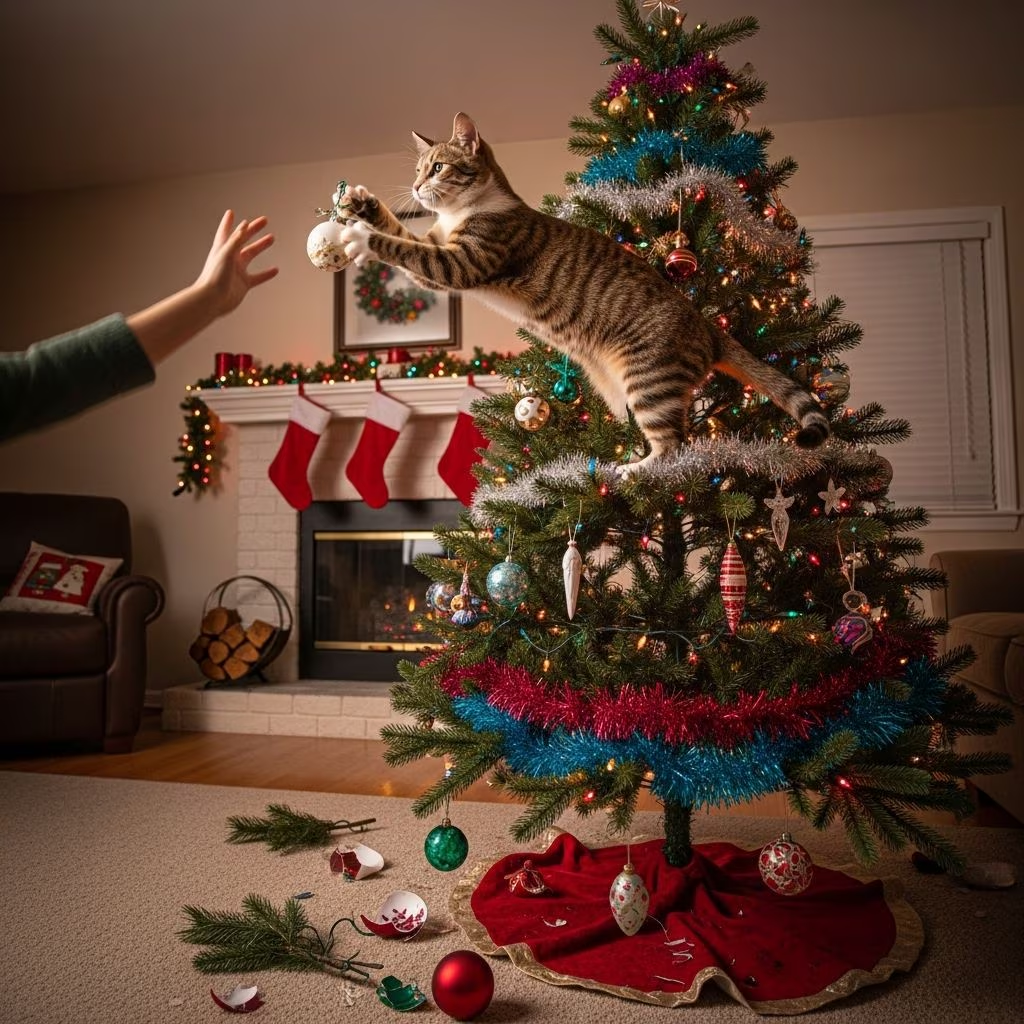
Christmas trees captivate cats with their swaying branches, twinkling lights, and dangling ornaments, turning your holiday centerpiece into a playground. This natural curiosity can lead to tipped trees, broken decorations, and health risks for your feline friend. Implementing simple deterrents and safety measures allows you to enjoy a festive home without constant supervision or mishaps.
Why Do Cats Love Christmas Trees?
Cats view Christmas trees as irresistible climbing structures mimicking tall trees in the wild, complete with rustling needles and novel scents from sap or preservatives. The movement of ornaments and lights triggers their hunting instincts, while low branches provide easy access for pouncing. Real trees pose ingestion risks from sharp pine needles that can cause stomach upset or punctures, and tree water often harbors bacteria, fertilizers, or additives toxic to cats. Artificial trees reduce some dangers but still risk toppling or flocking ingestion. Understanding this attraction helps in proactively cat-proofing your setup.
Risks of Christmas Trees for Cats
Beyond climbing, several hazards lurk around holiday trees. Electrical cords from lights tempt chewing, risking shocks or burns. Fragile glass ornaments can shatter, leading to cuts or swallowed shards causing gastrointestinal blockages. Tinsel and garlands mimic string toys, potentially fatal if ingested due to intestinal obstruction. Presents under the tree invite shredding of ribbons or toxic wrappers, and holiday plants like poinsettias add poisoning risks. Secure your tree to prevent these issues, as a falling tree can injure both cat and decorations.
Choose the Right Tree
Opt for an artificial tree to minimize risks—no needles to ingest, no toxic water. Ensure it’s sturdy with a wide, weighted base to resist climbing attempts. Real trees require covering the stand to block water access, as it breeds bacteria harmful to cats. Avoid flocked artificial trees, as the fake snow coating can irritate stomachs if nibbled. Anchor any tree type to walls or ceilings with fishing line or straps for extra stability against playful tugs.
Secure the Tree Base
A wobbly base invites disaster. Use a heavy stand filled with sand or water for ballast, and tether the top to a wall hook or ceiling with clear fishing line—invisible yet effective. Cover real tree reservoirs with aluminum foil or a fitted skirt to deter drinking. Place citrus peels like oranges or lemons around the base on shallow dishes; many cats aversion to the smell acts as a natural repellent without harm.
Protect Lights and Cords
Cats mistake dangling cords for toys. Wrap lights tightly to branches, avoiding loose strands. Install pet-safe cord protectors—plastic sleeves or bitter-tasting sprays from pet stores. Elevate plugs out of reach and unplug when unsupervised. Opt for battery-operated LED lights to eliminate cords entirely, reducing electrocution risks highlighted in veterinary reports.
Safe Ornament Choices
Replace glass with shatterproof plastic or plush ornaments that won’t injure if batted down. Secure all items using zip ties, floral wire, or plastic hooks instead of loose strings. Place heirloom pieces high up, beyond jumping range. Hang cat toys like pom-poms or bells on lower branches as distractions, channeling curiosity safely. Avoid reflective baubles that flash like lasers, overstimulating playful instincts.
Deterrents That Work
- Citrus scents: Scatter peels or use sprays—cats’ sensitive noses find them off-putting.
- Aluminum foil: Crinkle around base for startling texture and noise.
- Double-sided tape: Apply to lower trunk; sticky feel discourages pawing.
- Motion-activated air puffers: Devices like SSSCAT emit harmless bursts near tree.
- Scented sprays: Commercial cat repellents with herbal notes like rue or lavender.
Test deterrents gradually to avoid stress, combining multiple for best results.
Physical Barriers
Block access entirely with baby gates or pet pens around the tree, choosing models with cat-sized doors for convenience. Position the tree in a closed room or behind furniture barriers. Remove nearby climbable surfaces like chairs or shelves that launch cats upward. For multi-pet homes, separate cats during setup using stair gates.
Create Cat Alternatives
Distract with a “Catmas tree”: a dedicated scratching post or tall perch decorated with catnip toys, feathers, and tunnels nearby. Provide elevated beds, puzzle feeders, and interactive lasers to fulfill climbing and hunting needs. Rotate toys to maintain interest, turning attention from your holiday display. Warm blankets or window perches with holiday views keep them engaged elsewhere.
What Not to Use on Your Tree
| Dangerous Item | Risk to Cats | Safer Alternative |
|---|---|---|
| Tinsel/Garland | Ingestion causes blockages | Paper chains or cards |
| Glass ornaments | Shattering, cuts/shards | Plastic/plush versions |
| Angel hair | Toxic if ingested | Cotton batting |
| Edible decorations | Xylitol poisoning | Non-food items |
| Low cords/lights | Electrocution | Cord covers/LEDs |
Steer clear of these to prevent emergency vet visits during holidays.
Training Your Cat
Positive reinforcement works best—never punish, as it breeds fear. Redirect with toys when approaching tree, rewarding ignores with treats. Use clicker training: click and treat for staying away. Consistency over weeks builds habits; supervise initially, gradually increasing freedom. For kittens, early training prevents lifelong tree obsession.
General Holiday Safety Tips
- Store gifts away until opening to avoid ribbon chewing.
- Elevate candles or use flameless LEDs.
- Skip toxic plants like mistletoe; choose cat-safe greenery.
- Banish chocolate, alcohol, and xylitol treats from reach.
- Provide extra playtime to burn holiday excitement energy.
Maintain routines amid festivities to reduce stress-induced mischief.
Frequently Asked Questions
Is a real or fake Christmas tree safer for cats?
Artificial trees are generally safer, lacking toxic needles and water, but secure both against toppling. Cover real tree stands tightly.
What if my cat drinks tree water?
Contact a vet immediately—symptoms include vomiting, lethargy from bacteria or chemicals. Prevention is key.
Can I use tinsel with my cat?
No, tinsel ingestion often requires surgery for linear blockages. Opt for non-string decorations.
How do I stop my cat from climbing the tree at night?
Use barriers or room separation overnight, combined with daytime distractions and training.
Are citrus deterrents safe long-term?
Yes, in moderation; rotate with other scents to prevent habituation. Avoid direct skin contact.
References
- How to Cat Proof Your Christmas Tree — Purina US. 2023. https://www.purina.com/articles/cat/behavior/understanding-cats/christmas-safety-for-cats
- Why Cats Love Christmas Trees and How to Keep Them Safe — Best Friends Animal Society. 2023. https://bestfriends.org/stories/features/why-cats-love-christmas-trees-and-how-keep-them-safe
- 8 Ways to Keep Your Christmas Tree Safe from Your Cat — Humane Society of Huron Valley. 2023. https://www.hshv.org/8-ways-to-keep-your-christmas-tree-safe-from-your-cat-and-vice-versa/
- Christmas and Your Kitty: Safety Tips Around the Tree — Go Cat Rescue. 2023. https://gocatrescue.org/christmas-and-your-kitty-safety-tips-around-the-tree-2/
- The Ugly Truth About Cats and Christmas Trees — Jackson Galaxy. 2023. https://www.jacksongalaxy.com/blogs/news/the-ugly-truth-about-cats-and-christmas-trees-plus-more-holiday-tips



