

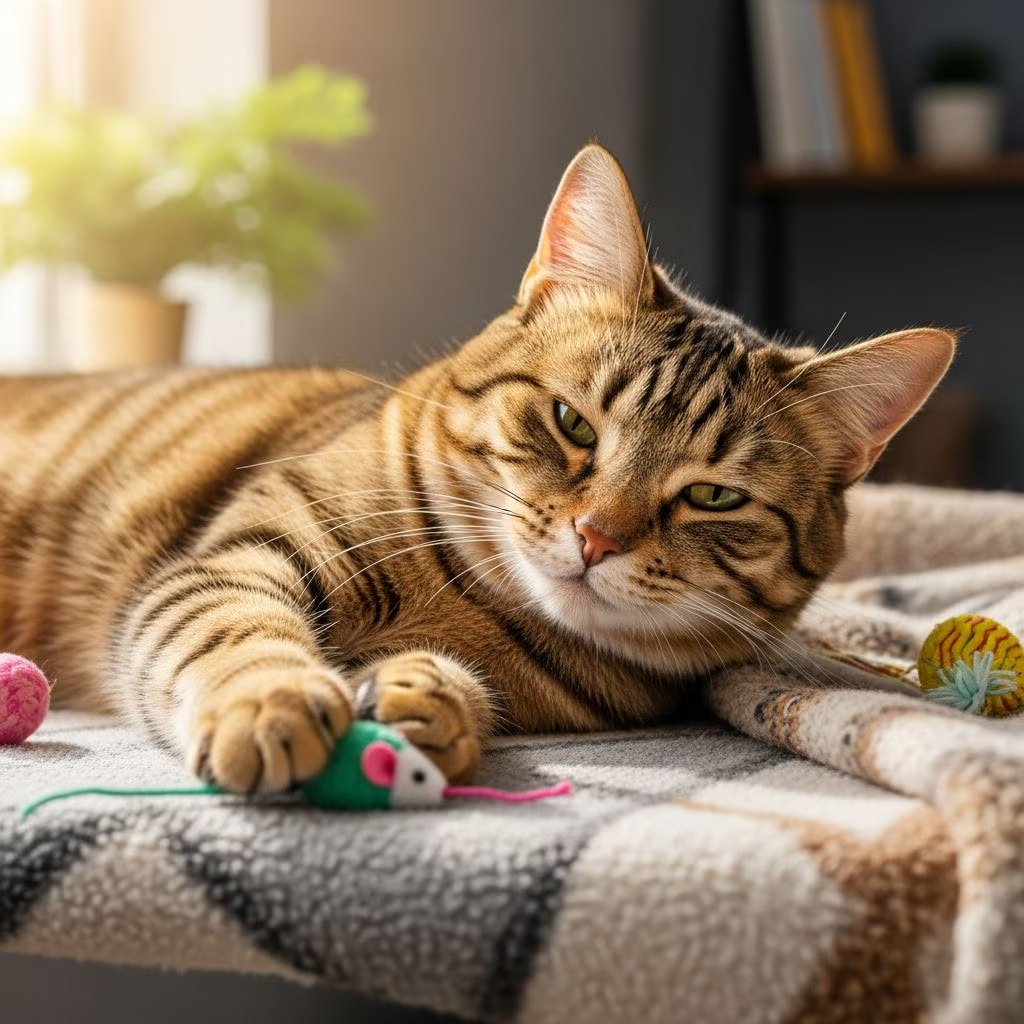
Many cat owners wonder if it’s possible for a single cat to lead a fulfilling life without feline companions. The good news is yes—cats are often solitary by nature, and with the right care, a solo cat can thrive happily in a single-pet household. While myths like “single kitten syndrome” circulate, suggesting lone kittens develop behavioral issues due to missed socialization, scientific evidence is limited, and many single cats adapt well with proper enrichment. This guide shares **10 vet-verified tips** to ensure your single cat stays mentally stimulated, physically active, and emotionally content, whether you’re home or away.
The 10 Tips on How to Keep a Single Cat Happy
Implementing these strategies creates an enriched environment that mimics a cat’s natural instincts for hunting, climbing, scratching, and resting. Consistency is key—integrate them into your daily routine for the best results.
1. Play With Them Often
Cats are natural athletes that sleep up to 16 hours a day but burst with energy during active periods. **Daily play sessions** (15-30 minutes, twice daily) prevent boredom-induced behaviors like excessive scratching or meowing. Use interactive toys like feather wands or laser pointers to simulate hunting, strengthening your bond and releasing pent-up energy. Rotate toys to maintain excitement, and always end sessions positively to avoid overstimulation. Kittens especially benefit, as regular play redirects playful aggression onto toys rather than hands.
2. Have Many Toys on Hand
Variety prevents boredom since cats quickly lose interest in the same toy. Stock up on **puzzle feeders, balls, tunnels, and kickers**—aim for 10-15 items, rotating them weekly. DIY options like crumpled paper balls or sock toys save money. For alone time, self-play toys like battery-operated mice or treat-dispensing balls keep them engaged up to 8 hours. Puzzle feeders also slow eating, promoting mental stimulation and preventing obesity.
3. Set Up a Hunt
Tap into your cat’s predatory instincts by hiding treats or toys around the house. Scatter kibble in boxes, under furniture, or in paper bags to create a **daily treasure hunt**. This burns calories (up to 100 per session) and provides mental exercise equivalent to foraging in the wild. Use food-dispensing toys for extended play when you’re away, ensuring even independent breeds like British Shorthairs stay entertained.
4. Set Up Several Scratching Posts
Scratching is essential for claw maintenance, scent-marking, stretching, and stress relief. Provide **at least 3 posts** (sisal, cardboard, vertical/horizontal varieties) in high-traffic areas. Place one near furniture to deter unwanted scratching. Without options, cats target sofas or curtains. Trim nails monthly and sprinkle catnip to encourage use.
5. Provide Vertical Space
Cats love heights for security and observation. Install **cat trees, wall shelves, or window perches** allowing climbing and jumping. Multi-level setups (minimum 5-6 feet tall) offer exercise and territory claiming. Secure furniture against tipping for safety. Vertical space reduces stress in single-cat homes by providing personal zones.
6. Use Puzzle Feeders & Food Dispensers
Mealtimes become brain games with **puzzle feeders** that require pawing or nosing for food. Start simple for kittens, progressing to complex ones. Automatic dispensers schedule meals, ideal for workdays (up to 12 hours alone safely). This prevents gulping, aids digestion, and mimics hunting, keeping solo cats occupied.
7. Bring the Outdoors Indoors
Indoor cats crave nature’s stimuli. Grow **cat-safe plants** like catnip, silvervine, or wheatgrass in a kitty garden. Install **bird feeders** outside windows for viewing entertainment. Safe herbs provide nibbling outlets, reducing pica (eating non-food items). Avoid toxic plants like lilies.
8. Consider a Catio or Window Box
A **catio** (cat patio) offers safe outdoor access without escape risks. DIY with online plans or buy pre-made enclosures linked to windows/doors. These provide fresh air, sun, and insect-watching, combating cabin fever. Even apartment dwellers can use balcony enclosures, enhancing well-being without full outdoor freedom.
9. Have Comfy Cat Beds Available
After play, cats need restful spots. Offer **multiple beds**—bolstered, cave-style, or heated—in quiet, elevated areas. Washable blankets create nests. Multiple options respect preferences (some love warmth, others cool floors). Cozy sleep (12-16 hours daily) supports immune health.
10. Give Extra Love & Attention
Physical and emotional bonding is vital. **Pet, brush, and talk daily** using soft brushes to distribute oils and reduce shedding. Lap time or gentle massages build trust. Monitor for loneliness signs like excessive vocalizing; if present, increase interaction before considering a companion. Single cats flourish with routine human TLC.
Understanding Single Cat Needs
Cats aren’t pack animals like dogs; wild felines are mostly solitary, so one cat households suit many personalities. Breeds like Persians or Ragdolls tolerate alone time best (up to 12 hours), while active ones need more enrichment. Provide basics: fresh water (multiple bowls), clean litter (one per cat +1, scooped daily), and vet check-ups. Never leave alone over 24 hours—use sitters for longer.
| Time | Activity | Benefits |
|---|---|---|
| Morning | Puzzle feeder breakfast + 15-min play | Mental/physical start |
| Day (alone) | Self-toys, window perch, hunt setup | Independent entertainment |
| Evening | Interactive play + hunt + cuddles | Bonding & energy release |
| Night | Cozy bed access | Restful sleep |
Frequently Asked Questions (FAQs)
What is single kitten syndrome?
Anecdotal term for behaviors like biting or hyperactivity in lone kittens, possibly from missed peer play. Mitigate with human interaction and toys; not scientifically proven.
How long can I leave my single cat alone?
Up to 12-24 hours max with preparations (food, water, litter, toys). Longer requires sitters.
Is it cruel to have only one cat?
No, if enriched properly. Millions thrive solo with daily attention.
Signs my cat needs more stimulation
Excessive meowing, destructiveness, lethargy, or overeating. Increase play.
Best toys for solo play?
Treat balls, laser toys, tunnels—rotate frequently.
References
- How to Keep a Single Cat Happy: 10 Vet-Verified Tips — Catster (Veterinarian Reviewed). 2023. https://www.catster.com/cat-health-care/how-to-keep-a-single-cat-happy/
- How Long Can You Safely Leave Your Cat Alone? Vet Approved — Catster (Veterinarian Approved). 2023. https://www.catster.com/cat-health-care/how-long-can-you-leave-your-cat-alone/
- Single Kitten Syndrome: What Is It? Vet-Reviewed Facts & Myths — Catster (Vet-Reviewed). 2023. https://www.catster.com/lifestyle/single-kitten-syndrome/
- How to Take Care of a Cat: Vet-Approved Beginner’s Guide — Catster (Vet-Approved). 2023. https://www.catster.com/cat-health-care/how-to-take-care-of-a-cat/
- Is It Ok to Have Just One Cat? Vet-Verified Facts & Care Tips — Catster (Vet-Verified). 2023. https://www.catster.com/cat-health-care/is-it-ok-to-have-just-one-cat/



