

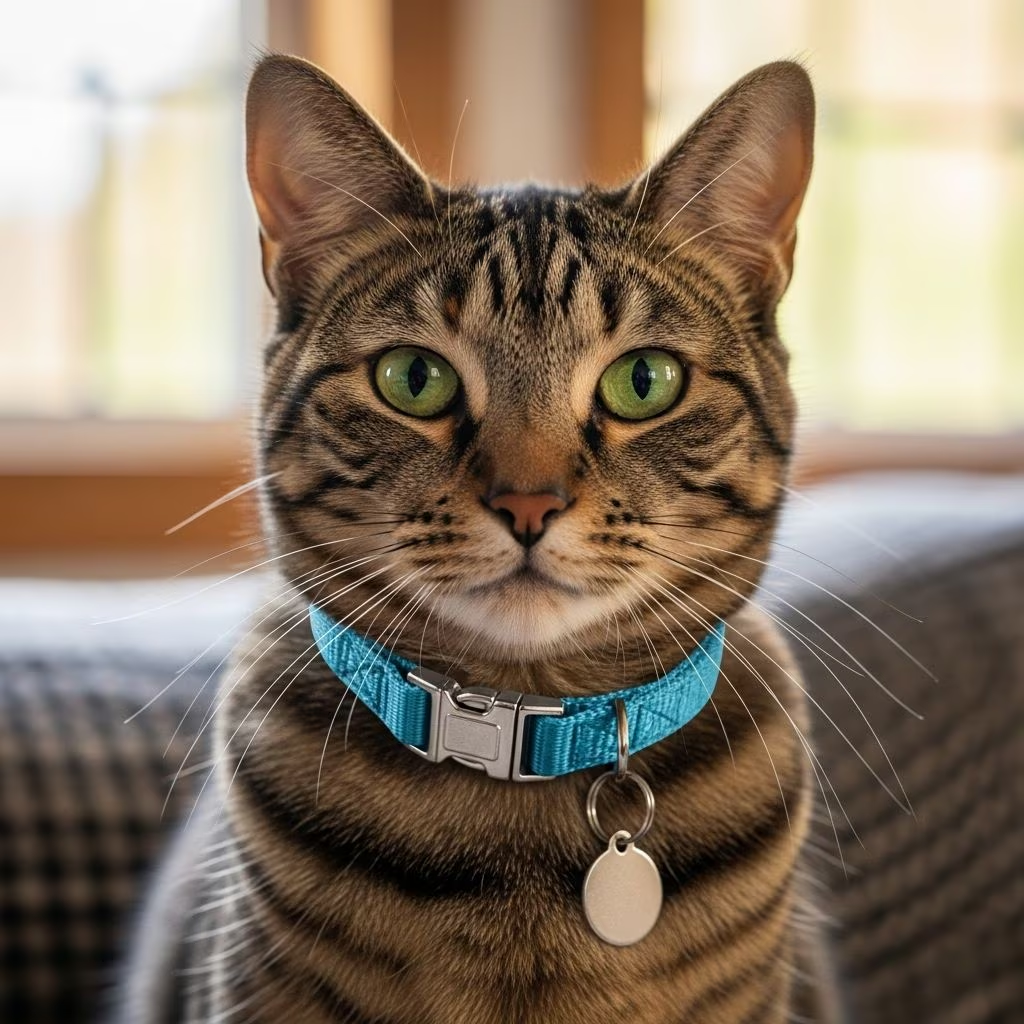
Many cat owners struggle with keeping a collar on their feline friends, as cats are notorious for rubbing them off or showing discomfort. Choosing the right **breakaway collar** and using gradual acclimation techniques can make all the difference in ensuring your cat wears it safely and comfortably. This guide covers everything from selecting safe collars to training tips and troubleshooting common issues.
Why Cats Hate Collars (And How to Fix It)
Cats often resist collars because they feel restrictive or unfamiliar, leading them to paw, roll, or rub against objects to remove them. This natural behavior stems from their independent nature and sensitivity to anything around their neck. The key fix is **patient introduction** combined with positive reinforcement, allowing your cat to associate the collar with treats and play rather than stress.
Studies highlight that improper collars contribute to injuries: 42% from flea collars, 39% from elasticated ones, and only breakaway designs showed zero injuries. Understanding these risks motivates safer choices.
Choosing the Safest Collar for Your Cat
Not all collars are created equal. Prioritize **breakaway or quick-release collars** that pop open under pressure (typically 2.5kg/5.5lbs for adults, 1kg/2.2lbs for kittens) to prevent strangulation if snagged on fences or branches. Avoid elasticated collars, which can stretch enough for a paw to get trapped, causing harm.
- Slimline and lightweight designs reduce snagging risks by hugging the neck closely.
- Fixed buckles account for 18% of injuries—steer clear.
- Calming collars must have breakaway mechanisms; skip those with elastic or fixed releases.
For identification, add an ID tag with your phone number, engraved plaque, or stitched info. Test the breakaway feature before use—it should release with light pull but stay secure during normal activity.
How to Properly Fit a Cat Collar
A **proper fit** is crucial: slide **one to two fingers** between the collar and neck. Too tight risks choking or irritation; too loose allows leg slippage or easy removal.
| Fit Issue | Risks | Solution |
|---|---|---|
| Too Tight | Choking, skin rash, discomfort | Loosen to fit 1-2 fingers; check material sensitivity after a few days |
| Too Loose | Slips off, snags on objects, paw entrapment | Tighten snugly; recheck after cat relaxes (they tense initially) |
| Perfect Fit | Safe, secure ID | Two fingers side-by-side; inspect weekly |
Recheck fit regularly, especially as kittens grow or if weight changes. Discard damaged collars immediately.
Step-by-Step Guide: Introducing Your Cat to a Collar
Gradual exposure prevents resistance. Follow this **5-step process** over 7-10 days.
- Day 1-2: Familiarize – Let cat sniff and rub against the loose collar. Reward with treats or catnip.
- Day 3-4: Short wear (5-10 mins) – Fasten loosely indoors; distract with play. Remove before stress signs (pawing, hiding).
- Day 5-6: Extend time (30-60 mins) – Tighten to proper fit. Use favorite toys; praise calm behavior.
- Day 7+: Full-time with supervision – Monitor outdoors first. If rubbing occurs, distract positively—never punish.
- Ongoing: Check daily – Ensure no irritation; readjust as needed.
Distract with games or treats during wear to build positive associations. Kittens need lighter breakaway settings.
Troubleshooting: What to Do If Your Cat Keeps Removing Their Collar
If your cat persists in removing the collar:
- Increase desensitization: Rub collar on cheeks (scent glands) before fastening.
- Use softer materials: Nylon or fabric over leather to reduce itchiness.
- Supervise initially: Prevent rubbing on furniture; redirect to scratching posts.
- Combine with harness training for walks, easing collar-only reliance.
- Consult vet if skin issues or extreme stress—could indicate allergy.
Elastic collars often fail here, as cats stretch them and get paws stuck. Switch to breakaway for reliability.
Are Bells or Accessories Safe on Cat Collars?
Bells reduce bird hunting by up to 40% per RSPB studies, but choose **enclosed bells** with wide grooves to avoid claw trapping. Avoid dangling discs—they snag easily between fence panels.
- Pros: Wildlife protection, audible location aid.
- Cons: Snag risk if not quick-release base collar.
Always pair with breakaway; test for claw safety.
Cat Collar Maintenance and When to Replace
Inspect weekly for frays, rust, or weak buckles. Replace immediately if damaged—don’t risk failure. Clean with mild soap; air dry. For outdoor cats, monthly checks prevent environmental wear.
Alternatives to Collars for Cat Identification
If collars prove impossible:
- Microchipping: Permanent ID scanned by vets/shelters.
- Harness with tags: For leashed walks; not tie-outs.
- GPS trackers: Clip-on alternatives, but ensure breakaway compatibility.
Collars complement microchips for quick visual ID.
Frequently Asked Questions (FAQs)
Are cat collars safe?
Yes, **breakaway collars** are safe when properly fitted and introduced, with studies showing zero injuries versus high risks from elastic or fixed types.
How tight should a cat collar be?
Snug enough for **1-2 fingers** underneath; recheck after initial tension.
Can kittens wear collars?
Yes, use kitten-specific breakaways (1kg release); introduce gradually.
Do bells on collars hurt cats?
No, if enclosed and on quick-release collars; they prevent claw snags.
What if my cat won’t stop pawing at the collar?
Extend intro period, distract with play, ensure perfect fit—patience yields results.
References
- Are Cat Collars Safe? The Ultimate Guide — Supakit. 2023. https://supakit.co/blogs/cat-guides/cat-collars-safe
- Are cat collars safe? The pros and cons — Petplan. 2023. https://www.petplan.co.uk/cat-insurance/cat-care-and-advice/are-cat-collars-safe.html
- Breakaway Collars for Cats: Safety and Security — Animal Medical Center of New York. 2022-06-15. https://www.amcny.org/blog/2022/06/15/breakaway-collars-for-cats-safety-and-security/
- Cat collars — PDSA. 2023. https://www.pdsa.org.uk/pet-help-and-advice/looking-after-your-pet/kittens-cats/cat-collars
- The Importance of a Properly Fitted Cat Collar — Coastal Pet Products. 2023. https://www.coastalpet.com/cat-sizing-guide/
- Cats and ID collars — Humane Society. 2023. https://www.humaneworld.org/en/resources/cats-and-id-collars
- Choosing a Cat Collar — Cats Protection. 2023. https://www.cats.org.uk/help-and-advice/getting-a-cat/choosing-a-cat-collar



