

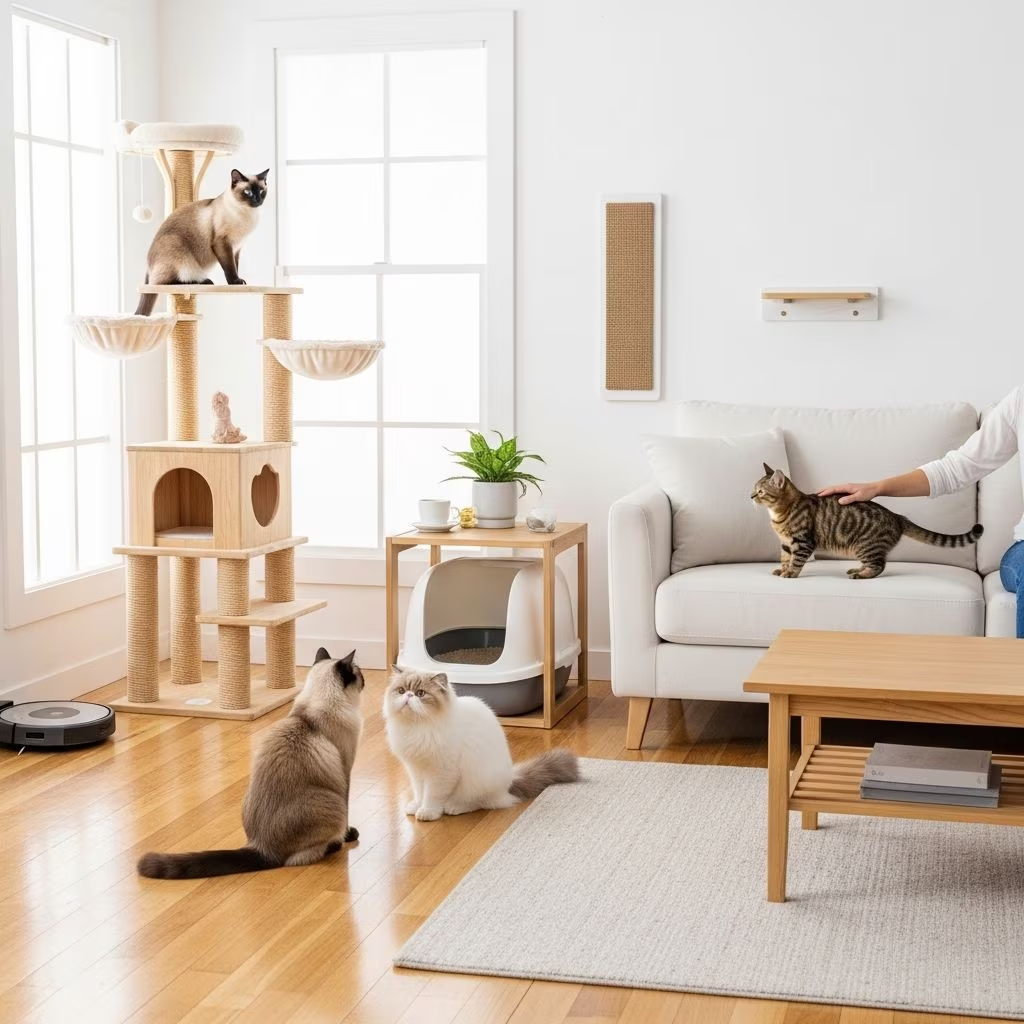
Living with multiple cats brings joy, companionship, and inevitable mess—from shedding fur tumbleweeds to lingering litter odors. Contrary to stereotypes, maintaining a clean home is achievable with the right strategies. This guide outlines nine vet-approved tips to conquer cat hair, smells, and tracked litter, ensuring your space stays fresh and inviting.
The Challenge of Multi-Cat Homes
Multiple cats amplify cleaning demands. Cats shed profusely, litter boxes multiply (one per cat plus one extra), and privacy preferences mean scattered boxes. Insufficient setup leads to accidents, odors trapped in carpets, and hair everywhere. Proper litter box numbers prevent urine issues; for three cats, provide four boxes in quiet spots. Hard flooring beats carpets for easy cleanup, but with diligence, any home can thrive.
The 9 Cleaning Tips To Keep a Clean House With Multiple Cats
Implement these practical, expert-backed steps for a cleaner environment without sacrificing cat comfort.
1. Carpets Equal Odors
Carpets harbor urine, feces odors, and dander no matter how often you vacuum. Opt for laminate, hardwood, or tile flooring, which wipes clean quickly. If accidents occur, enzymatic cleaners break down proteins effectively, preventing remarking. Budget constraints? Vacuum daily with a pet-specific model featuring a HEPA filter to capture allergens.
2. Invest in a Pet Vacuum With a HEPA Filter
Standard vacuums falter against cat hair and dander. Choose a pet vacuum with a HEPA filter—it traps 99.97% of particles as small as 0.3 microns, reducing airborne allergens. Cordless stick models excel for quick touch-ups under furniture and on upholstery. Vacuum carpets, rugs, and hard floors daily; empty the canister outside to avoid redistributing dust.
3. Keep a “Cat Room”
Designate a low-traffic room for litter boxes, food, water, toys, beds, and scratching posts. This contains mess and odors, easing main-area cleaning. Ideal for 2-3 cats, but for more, distribute boxes across the home—cats crave privacy, avoiding shared high-traffic spots. Ventilate the room with open windows or fans.
4. Scoop and Clean the Litter Boxes Regularly
Scoop clumping litter boxes 1-2 times daily to remove waste clumps, minimizing ammonia smells. Weekly, empty fully, wash with mild pet-safe detergent and hot water, rinse thoroughly, and dry before refilling. Low-dust, clumping clay litters reduce tracking and odors. Monitor for health issues via individual box usage.
5. Use a Cat Litter Mat
Litter sticks to paws, scattering everywhere. Place absorbent, honeycomb-style mats under boxes to trap granules. Shake or vacuum mats daily; choose low-tracking litters for extra help. For litter throwers, enclosed boxes with mats cut mess by 80%. Replace mats monthly for hygiene.
6. Run HEPA Air Purifiers
Cat dander and odors linger in air. HEPA purifiers with activated carbon filters capture particles and neutralize smells. Position one per 500 sq ft, running 24/7 on low. Pet-specific models handle fur clumps; change filters quarterly. Combine with open windows for fresh circulation.
7. Brush Your Cats Regularly
Brushing removes loose fur before it sheds house-wide. Use slicker brushes or de-shedding tools 3-5 times weekly, focusing on back and sides. Bath long-haired cats monthly with pet shampoo. This cuts hairballs, mats, and vacuum loads significantly. Reward with treats for cooperation.
8. Enzymatic Cleaners for Accidents
Cats may eliminate outside boxes due to stress or illness. Enzymatic cleaners digest organic matter, eliminating odors that attract repeat marking. Saturate spots, let sit 10-15 minutes, blot, and air dry. Nature’s Miracle or Rocco & Roxie are vet-recommended. Test fabrics first.
9. Wash Cat Fabrics Often
Cats claim beds, blankets, and throws. Launder weekly in hot water with pet-safe detergent; dry fully to kill dust mites. Cover furniture with washable throws. Vacuum upholstery daily. For heavy shedders, use lint rollers between washes.
Additional Strategies for Multi-Cat Cleanliness
- Litter Box Placement: Low-traffic, quiet areas on each floor. Avoid near food or noisy appliances.
- Low-Tracking Litter: Silica or crystal types minimize scatter.
- Grooming Routines: Furminator tools for undercoat removal.
- Odor Absorbers: Baking soda in boxes or carpets.
Pros and Cons Table: Multi-Cat Living
| Aspect | Pros | Cons |
|---|---|---|
| Litter Management | Identifies health issues per cat | Multiple daily scoops required |
| Cleaning Effort | Shared use maximizes items | Increased vacuuming and laundry |
| Odor Control | Proper setup prevents smells | Boxes amplify if neglected |
Frequently Asked Questions (FAQs)
What is the litter box rule for multiple cats?
One litter box per cat plus one extra. For four cats, use five boxes to ensure privacy and prevent accidents.
Can I keep all litter boxes in one room?
Not ideal for more than two cats. Distribute for privacy; a cat room works for containment but risks avoidance.
How often should I clean litter boxes?
Scoop daily, fully clean weekly. This keeps odors low and cats happy.
What’s best for cat hair control?
Pet HEPA vacuums, regular brushing, and washable covers. Hard floors help too.
Do air purifiers really help with cat odors?
Yes, HEPA with carbon filters capture dander and neutralize smells effectively.
Final Thoughts
A clean house with multiple cats demands consistency: enough boxes, daily routines, targeted tools, and quick accident response. These habits transform chaos into harmony, letting you enjoy your felines without the funk. Start with litter setup and build from there for lasting results.
References
- How to Keep a Clean House With Multiple Cats: 9 Vet-Approved Tips — Catster. 2023. https://www.catster.com/lifestyle/how-to-keep-a-clean-house-with-multiple-cats/
- Pros & Cons of Having 3 or More Cats: Our In-Depth Review — Catster. 2023. https://www.catster.com/lifestyle/pros-and-cons-of-having-3-or-more-cats/
- How Many Litter Boxes Per Cat Should I Have In My Home — Catster. 2023. https://www.catster.com/cat-health-care/how-many-litter-boxes-per-cat/
- American Veterinary Medical Association: Feline Environmental Needs Guidelines — AVMA. 2022-10-15. https://www.avma.org/resources-tools/pet-owners/petcare/feline-environmental-needs-guidelines
- Indoor Air Quality and Pet Dander: HEPA Filtration Efficacy — EPA. 2024-03-01. https://www.epa.gov/indoor-air-quality-iaq/pets-and-indoor-air-quality



