

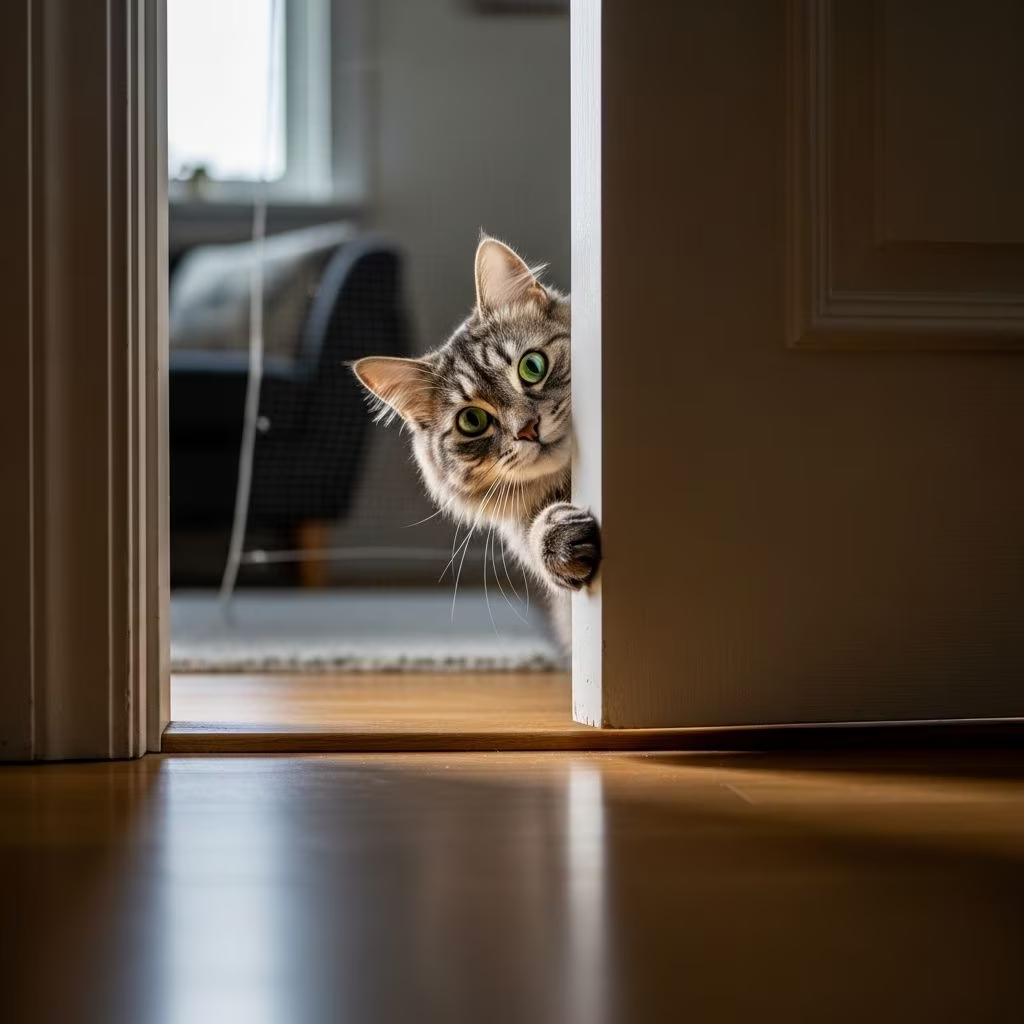
Keeping specific rooms off-limits to your cat is essential for protecting valuables, maintaining hygiene, or ensuring safety in areas like home offices or nurseries. Cats are naturally curious explorers, often drawn to forbidden spaces by scent, sound, or your presence. Fortunately, with vet-reviewed strategies, you can create boundaries humanely without stress or punishment. This guide covers 10 effective methods, emphasizing positive reinforcement and understanding feline behavior to foster a harmonious home.
The 10 Ways to Keep a Cat Out of a Room
1. Shut That Door!
The simplest and most reliable method is keeping the door firmly closed. Cats are opportunistic, slipping through cracks when you enter or exit. Train yourself to enter and exit mindfully: glance for your cat, use a foot to block them if needed, and shut promptly. Distract with treats or toys beforehand to prevent bolting. For older or less agile cats, a baby gate or pet gate provides a secondary barrier without full enclosure.
Avoid slamming doors to prevent injuries like trapped paws or tails. Consistency builds habit; over time, your cat learns the room is inaccessible. If no door exists, consider installing one or using tension-fit barriers tailored to your cat’s jumping ability.
2. Understand Your Cat’s Behavior
Curiosity drives cats toward closed doors—meowing signals interest in your presence, novel smells, sounds, or unexplored territory. Observe patterns: Does entry desire spike when you’re inside? Redirect by identifying triggers and offering alternatives like play in another room.
Reward disinterest positively: praise, treats, or cuddles when they self-redirect. If they sneak in, ignore initially, supervise calmly, then gently escort out without attention. This extinguishes the appeal, as cats seek interaction. Understanding motivations prevents escalation and promotes voluntary compliance.
3. Use a Pet Gate or Barrier
For doorless rooms or supplemental security, pet gates excel. Choose tall, sturdy models (at least 36 inches) with narrow slats to deter climbing. Tension-mounted gates install easily without tools, ideal for renters. Cats may test agility, so combine with deterrents.
Table of Popular Pet Gate Options:
| Type | Height | Best For | Pros |
|---|---|---|---|
| Freestanding | 30-40 inches | Wide openings | Easy setup, portable |
| Tension-fit | 36+ inches | Doorways | No drilling, adjustable |
| Extra-tall | 42+ inches | High-jumpers | Maximum security |
Select based on your cat’s size and athleticism for optimal results.
4. Place Deterrents at the Doorway
Visual and tactile repellents discourage approach. Sticky tape (double-sided or anti-scratch) on door bases exploits cats’ aversion to paw adhesion. Aluminum foil crinkles unpleasantly under paws, while citrus peels or scents (lemons, oranges) repel via smell.
- Sticky Paws Tape: Adhesive strips mimicking burrs.
- Foil or Plastic: Unfamiliar texture and noise.
- Scent Deterrents: Natural oils like eucalyptus—refresh weekly.
Rotate deterrents to prevent habituation; always humane and non-toxic.
5. Use a Touch Deterrent
Cats detest sticky surfaces on paws. Apply cat-specific anti-scratch tape or DIY with packing tape loops on door lowers. This targets scratching without harm, conditioning avoidance. Reapply as needed; combine with redirection for best effect.
Pros: Inexpensive, immediate; Cons: Visible, may need frequent replacement. Test small areas first to ensure adhesion.
6. Redirect and Distract Your Cat
Proactive enrichment diverts obsession. When fixated, initiate play with wand toys, lasers, or balls. Designate a “cat zone” with scratching posts, climbing trees, perches, and puzzle feeders. Spend quality time there, rewarding engagement with treats and affection.
Interactive sessions build positive associations, reducing room interest. Rotate toys for novelty; vertical space satisfies climbing instincts, mimicking wild behaviors.
7. Make the Room Undesirable for Your Cat
Gently deter by altering appeal: Play loud music, spritz diluted vinegar (1:1 water), or scatter items creating discomfort like damp towels (avoid soaking). For bathrooms, shallow water pans exploit wet-paw aversion.
Caution: Never induce fear or pain; monitor for stress. Temporary measures work best alongside positives. Vinegar dissipates quickly, requiring reapplication.
8. Only Use Positive Reinforcement
Punishment erodes trust, teaching fear of you, not the behavior. Focus on rewarding compliance: Treats for staying away, play for redirection. Patience yields lasting results; cats respond to consistency and love.
Training tip: Pair door closure with a cue like “stay,” rewarding retreat.
9. Employ Motion-Activated Devices
Tech aids include motion-sensor air sprays (Ssscat) or ultrasonic emitters. Sensors detect approach, releasing hiss or inaudible sound, associating door with unpleasantness. Place strategically; false triggers possible with family traffic.
Safe for indoor use; batteries last months. Ideal for persistent cats.
10. Create an Enriched Environment Elsewhere
Boredom fuels mischief. Combat with multi-level furniture, window perches, automated toys, and daily play (15-30 minutes). Fresh catnip, tunnels, and food puzzles mimic hunting. A fulfilled cat ignores off-limits areas.
Pet-proof alternatives: Secure cords, remove toxins. Vertical real estate expands territory without invading yours.
Frequently Asked Questions (FAQs)
Why does my cat obsess over a specific room?
Cats investigate smells, sounds, or your activity. Provide alternatives and redirect to diminish interest.
Is it okay to punish my cat for entering the room?
No—punishment causes fear and resentment. Use positive methods only.
What if my cat jumps over pet gates?
Opt for extra-tall or angled gates; combine with deterrents.
Can scents really repel cats?
Yes, citrus, vinegar, and herbs like rue work temporarily; refresh often.
How long until my cat learns?
Weeks to months with consistency; every cat varies.
Additional Tips for Success
- Consistency across household members prevents confusion.
- Monitor stress: Excessive meowing or hiding signals issues—consult a vet.
- Kittens learn faster; adults may need more repetition.
- Combine 2-3 methods for stubborn cases.
These strategies ensure safe, happy boundaries. Patience and positivity transform challenges into opportunities for bonding.
References
- How to Keep a Cat Out of a Room: 10 Vet-Reviewed Tips — Catster. 2023. https://www.catster.com/lifestyle/how-to-keep-a-cat-out-of-a-room/
- How to Keep Cats from Going Outside: 5 Vet-Approved Ways — Catster. 2023. https://www.catster.com/lifestyle/how-to-keep-cats-from-going-outside/
- How to Keep Cats Away From Certain Areas: 18 Vet-Verified Methods — Catster. 2023. https://www.catster.com/lifestyle/keep-cats-away-from-certain-areas/
- 10 Do’s & Don’ts of Confining a Cat to a Room at Night (Vet-Reviewed) — Catster. 2023. https://www.catster.com/cat-health-care/dos-and-donts-of-confining-a-cat-to-a-room-at-night/



