

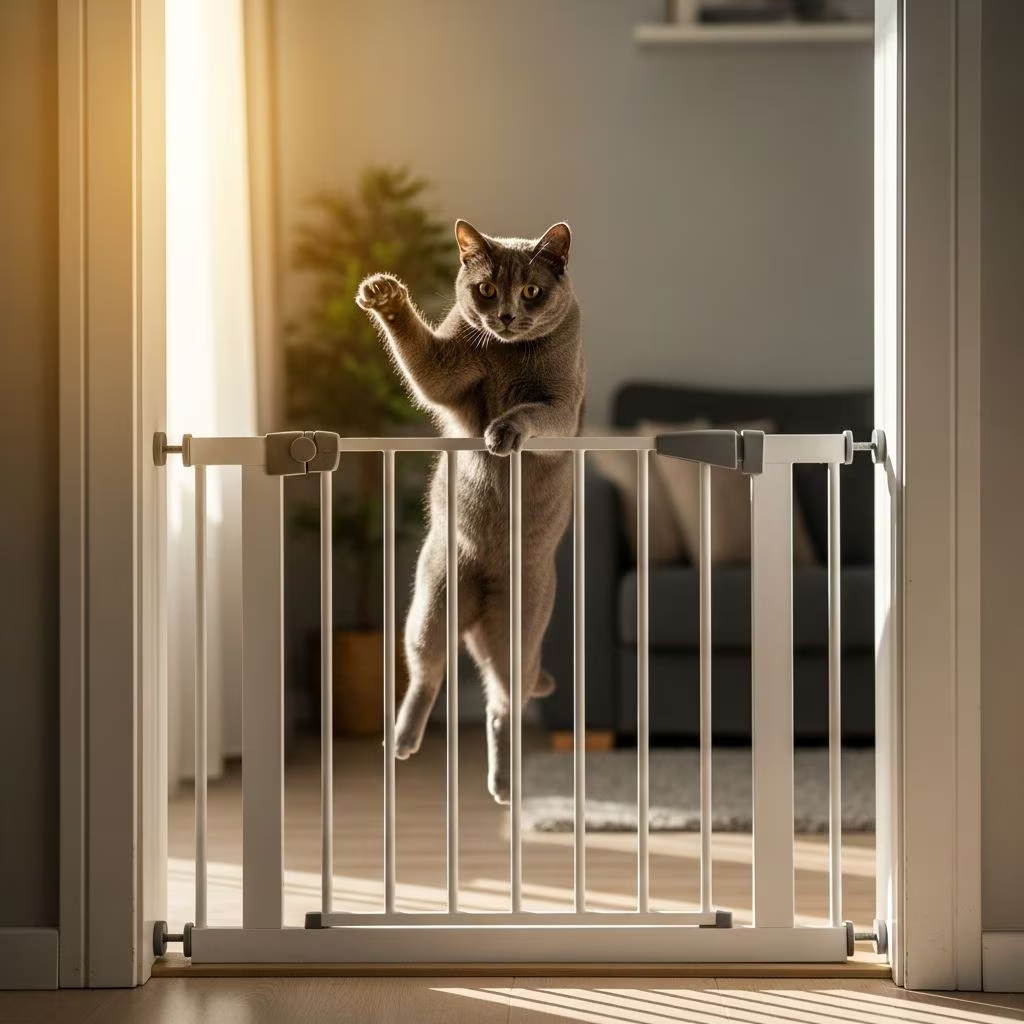
Cats are renowned for their athletic prowess, capable of leaping heights several times their body length. This agility often turns simple baby gates or room dividers into mere hurdles. Whether you’re using gates to confine kittens, separate pets, or protect areas during home renovations, preventing escapes is crucial for safety. This guide explores comprehensive strategies, drawing from practical DIY solutions and expert recommendations, to cat-proof your gates effectively.
Why Cats Jump Over Gates
Cats jump gates primarily due to curiosity, hunting instincts, or a desire for territory exploration. Kittens and young cats, full of energy, test boundaries frequently. Boredom or stress from changes in the home environment can also trigger jumping behavior. Understanding these motivations helps tailor solutions—addressing the root cause alongside physical barriers yields the best results.
- Curiosity and Exploration: Cats investigate new sounds or scents beyond the gate.
- Territorial Instincts: They patrol their domain, viewing gates as temporary obstacles.
- Play and Energy: High-energy cats treat jumping as a game.
- Social Dynamics: Multi-pet homes may prompt cats to join or avoid others.
Physical Modifications for Baby Gates
The most reliable method involves altering the gate’s structure to exceed your cat’s jumping ability. Standard baby gates (around 30-36 inches tall) pose no challenge for most adult cats, who can leap 5-6 feet vertically. Extensions increase height without replacing the gate entirely.
DIY Gate Extensions Using Shelving or Wood
Acquire lightweight shelving boards from hardware stores, available in lengths up to 12 feet. Cut to fit gate width, then secure horizontally atop the gate using heavy-duty zip ties or brackets. This creates an overhang that destabilizes landing attempts, as cats dislike unsteady surfaces.
- Select rigid, narrow shelves (6-12 inches wide).
- Attach securely to gate frame with zip ties every 6 inches.
- Angle slightly outward for added deterrence.
- Test stability before use.
Wooden extensions, like 1×4 lumber pieces, work similarly. Mount using L-brackets screwed into the gate posts. PVC-covered chicken wire stapled underneath adds an invisible barrier, preventing grip.
Zip Tie “Spikes” for Visual Deterrence
Create an illusion of sharp spikes with zip ties threaded through gate bars. Point upward every few inches, spaced consistently. Cats perceive this as uncomfortable, avoiding jumps despite physical capability. This low-cost hack has proven effective for months in tested setups.
- Use black or clear zip ties for aesthetics.
- Double-layer for denser coverage.
- Apply to all gates uniformly for consistency.
Chicken Wire Overhangs Indoors
Adapt outdoor fence techniques indoors. Staple 2-foot-wide chicken wire halfway up the gate, allowing the top half to overhang outward. The floppy edge foils paw holds, causing slips. For neater looks, attach to wooden arms extended via brackets.
Materials needed: chicken wire, staples, 2×4 lumber scraps, fence brackets, wood screws.
| Method | Cost Estimate | Difficulty | Effectiveness |
|---|---|---|---|
| Shelving Extension | $20-40 | Easy | High |
| Zip Tie Spikes | $5-10 | Very Easy | Medium-High |
| Chicken Wire | $15-30 | Moderate | High |
Deterrents and Training Techniques
Physical changes alone may not suffice for determined cats. Combine with deterrents that exploit feline aversions and positive reinforcement training.
Sticky Surfaces and Textures
Apply double-sided tape or aluminum foil to gate tops. Cats detest sticky or crinkly textures under paws. Reapply as needed, noting some adapt quickly—rotate deterrents for sustained effect.
Sound and Motion Discouragers
Position a motion-activated air canister or bell near the gate. Sudden hisses or chimes startle without harm. Vacuum cleaner sounds work temporarily but lose impact over time. Consistency is key: deter every attempt promptly.
Positive Reinforcement Training
Redirect jumping urges. Place tempting toys or food puzzles on the safe side of the gate. Reward with treats for staying put. Use clicker training: click and treat calm behavior at the gate. Gradually increase duration. This builds association between gate and positivity.
- Start sessions short (1-2 minutes).
- Use high-value treats like tuna flakes.
- Practice daily for 2-4 weeks.
Alternative Solutions and Enclosures
For persistent jumpers, consider full enclosures over mere gates.
Cat-Proof Full Enclosures
Free-standing catios or room netting provide safe exploration spaces. Seal gaps under gates with L-brackets or foam seals. Trim nearby furniture to eliminate launch points, mimicking outdoor cat-proofing principles.
Tree and Climbing Prevention
Banding large indoor plants or furniture legs with 600mm-wide metal/plastic strips (2.5m high) prevents climbing then jumping. Secure firmly to avoid injury.
Common Mistakes to Avoid
- Ignoring gaps: Cats squeeze through tiny spaces—seal all undersides.
- Inconsistent deterrence: Sporadic correction confuses cats.
- Overlooking health: Excessive jumping may signal stress; consult vets.
- Poor materials: Flimsy extensions collapse, reinforcing bad habits.
Frequently Asked Questions (FAQs)
What is the best way to stop a cat from jumping a baby gate?
The most effective method combines height extensions like shelving with deterrents such as zip ties or sticky tape. Training reinforces long-term compliance.
How high should a gate be to stop cats from jumping?
Aim for 5-6 feet total height, as most cats max at 5 feet. Overhangs add effective deterrence beyond raw height.
Will double-sided tape work forever?
No, cats habituate quickly. Rotate with foil, spikes, or sounds for ongoing success.
Can I use these methods for kittens?
Yes, but supervise closely. Kittens grow fast—scale solutions as they mature.
What if my cat still jumps after modifications?
Enclose the area fully or consult a behaviorist. Rule out medical issues like hyperthyroidism.
Conclusion
Preventing cats from jumping gates requires a multi-faceted approach: physical barriers, deterrents, and training. Tailor solutions to your cat’s personality and home layout for optimal results. Patience pays off—most cats adapt within weeks, leading to a safer, happier household.
References
- Cat Proof Fence – How to Stop and Prevent Cat From Jumping Over Fence — YouTube (DIY Video). 2021. https://www.youtube.com/watch?v=4oMTOTBW1WQ
- DIY To Prevent Cat Jumps — YouTube (Handmade Business Video). 2023. https://www.youtube.com/watch?v=Wr7S1lsO1TA
- Factsheet – Cat-Proof Fencing and Enclosures — Cat Protection Society of NSW. 2024-01-15. https://catprotection.org.au/cat-care-factsheets/factsheet-cat-proof-fencing-and-enclosures/
- Prevent Cats from Jumping Over Baby Gate — TheCatSite Community Forum. 2022-05-12. https://thecatsite.com/threads/prevent-cats-from-jumping-over-baby-gate.411964/



