

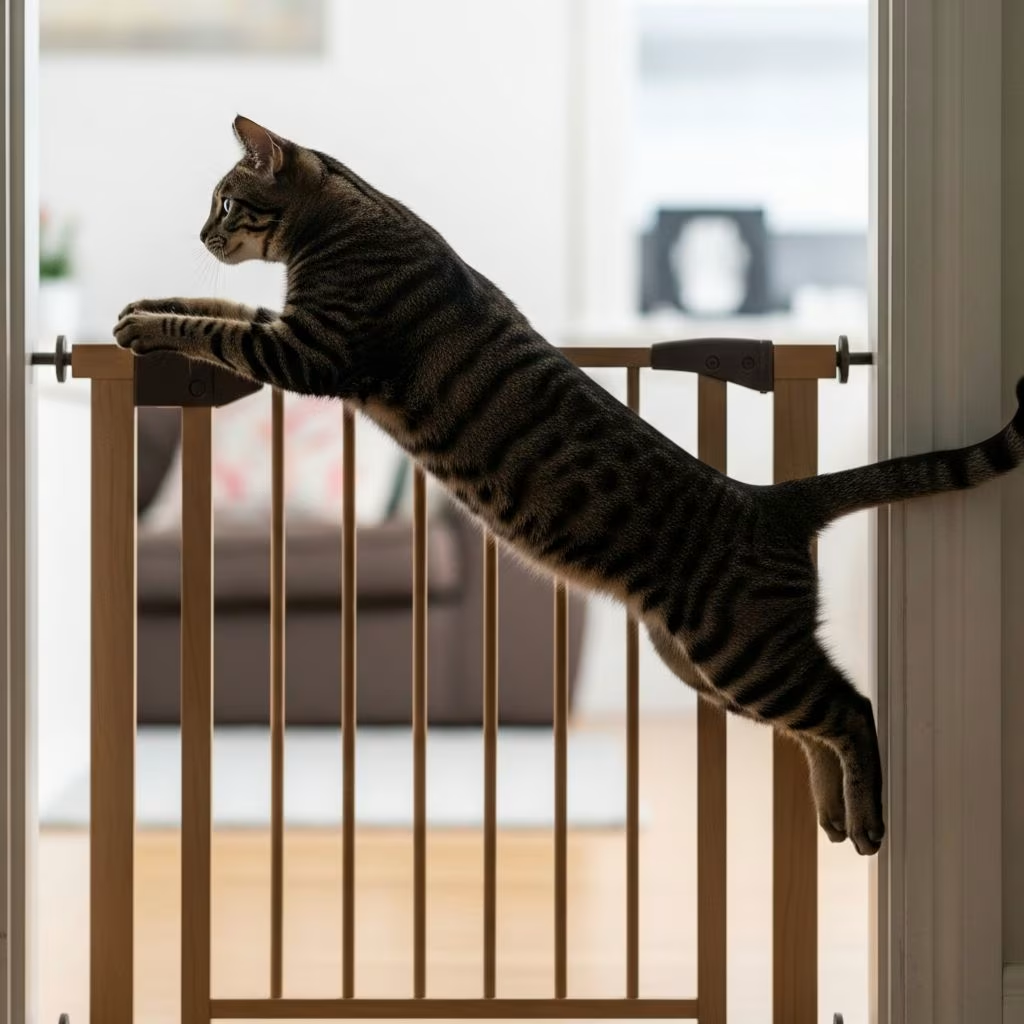
Cats are agile creatures renowned for their ability to leap great heights, often turning ordinary gates into mere hurdles. Whether it’s a baby gate blocking stairs, a pet gate in a hallway, or a backyard fence, keeping your cat contained requires clever solutions. This comprehensive guide explores why cats jump gates, effective prevention methods, and step-by-step DIY projects to cat-proof your home and yard. Drawing from practical experiences and expert advice, these strategies prioritize safety, affordability, and minimal disruption to your cat’s environment.
Why Do Cats Jump Over Gates?
Cats jump gates primarily due to their natural curiosity, athletic prowess, and desire for exploration. Domestic cats can leap up to six times their body length horizontally and as high as five feet vertically, making standard gates (typically 30-36 inches tall) easy obstacles. Factors like boredom, hunting instincts, access to food or litter in restricted areas, or even multi-cat household dynamics where one cat chases another can trigger jumping behavior.
In homes with multiple cats, territorial disputes or play may lead to attempts to breach gates. Outdoor fences pose risks of escape, exposing cats to traffic, predators, and toxins. Understanding this behavior is key: cats aren’t defying you; they’re navigating their world vertically. Addressing root causes like insufficient enrichment reduces jumping urges.
Understanding Your Cat’s Jumping Ability
The average cat jumps 4-5 feet high from a standstill, with some breeds like Abyssinians or Bengals reaching 6 feet. Factors influencing this include age, health, weight, and claw grip. Kittens and seniors jump less, while healthy adults scale gates effortlessly. Gates with wide bars allow squeezing through, and flat tops provide perfect landing spots.
To assess your cat’s ability, observe them: measure the gate height and note if they clear it cleanly or hesitate. This informs the extension needed—aim for at least 2 feet above their max jump for safety margins.
Method 1: Extend the Gate Height with DIY Extensions
The simplest, most effective way to stop gate jumping is increasing height. Standard baby gates top out at 36 inches; cats clear this routinely. Add 18-24 inches using affordable materials for a barrier they can’t surmount.
Materials Needed
- Chicken wire or hardware cloth (1-2 feet wide, PVC-coated for aesthetics)
- Zip ties, staples, or screws
- Wooden boards (2x4s, 1-foot lengths)
- Metal fence brackets or shelf brackets
- Double-sided tape or anti-claw strips (optional)
Step-by-Step: Chicken Wire Overhang
For indoor gates, attach 2-foot chicken wire: staple half vertically to the gate frame, letting the top foot angle outward at 45 degrees. This ‘floppy top’ prevents grip and perch. Cats try to hook claws but slide off.
- Cut wire to gate width plus overlap.
- Secure bottom and sides firmly with heavy-duty staples or zip ties.
- Angle top outward; test stability by pushing.
- Trim plants or shelves nearby to block running starts.
For a polished look, use PVC-coated wire under wooden extensions. Mount brackets to gate posts, screw 2x4s horizontally atop, then staple wire underneath. This hides the wire and withstands weight.
Cost and Durability
| Method | Cost (for 6-ft gate) | Time | Durability |
|——–|———————–|——|————|
| Basic Chicken Wire | $15-25 | 30 min | 1-2 years |
| PVC Wire + Wood | $30-50 | 2 hours | 3+ years |
| Zip Tie Spikes | $10 | 20 min | 6-12 months |
These extensions work on 90% of cats, per user reports, without harming agility.
Method 2: Create Deterrents and Spikes
Visual and tactile deterrents exploit cats’ aversion to unstable or prickly surfaces. No need for height changes—make the top unappealing.
Zip Tie Spikes
Thread zip ties through gate bars every 2-3 inches, pointing upward like a spiky crown. Alternate straight and fanned for density. Cats perceive it as unstable or sharp, deterring jumps. Proven effective for months on hallway gates.
- Use black or clear ties to blend.
- Double-layer for bold cats.
- Refresh every 3 months as they fade.
Double-Sided Tape and Aluminum Foil
Apply wide double-sided tape along the top rail. Cats hate sticky paws. Combine with crinkly foil for noise aversion. Rotate methods to prevent habituation.
Balanced Roller Systems
For fences, install PVC pipe rollers on top. Cats push, pipe spins, thwarting grip. Adapt for gates with dowels on brackets.
Method 3: Cat-Proof Fencing Techniques for Outdoors
Outdoor gates and fences demand robust solutions. Cats climb then leap, so eliminate aids.
- Seal Gaps: Bury wire 12 inches underground; add snake netting at base.
- Trim Vegetation: Keep trees/shrubs 3 feet from fence; use tree bands (60cm wide metal/plastic at 2.5m height) to block climbs.
- Overhang Netting: Install 2-foot outward-angled netting, secured to posts.
- Free-Standing Enclosures: Build catios with kits for safe outdoor access.
SecureaKat-style systems offer pre-made options, but DIY mirrors them cheaply.
Method 4: Training and Behavioral Solutions
While physical barriers are primary, train to respect gates. Positive reinforcement works best.
- Enrich Environment: Provide tall scratchers, window perches, puzzle feeders to curb boredom.
- Command Training: Say “stay” when approaching gate; reward compliance with treats.
- Deterrent Sounds: Use motion-activated air cans or vacuums sparingly to associate jumping with discomfort.
- Multi-Cat Management: Separate aggressors; use pheromone diffusers for calm.
Consistency yields results in 2-4 weeks. Combine with barriers for best outcomes.
Safety Considerations and Common Mistakes
Ensure modifications are secure—no loose wires for chewing. Monitor for stress; sudden changes can cause litter issues. Avoid punishment, as it erodes trust. For kittens, temporary gates suffice as skills develop. Elderly cats may need ramps over gates.
Mistakes: Underestimating jump height, ignoring gaps, or neglecting supervision. Test setups: tempt with toys atop gate.
Frequently Asked Questions (FAQs)
What height gate will stop my cat from jumping?
Aim for 5-6 feet total height. Extensions adding 2 feet to standard gates suffice for most.
Will chicken wire hurt my cat?
No, when installed floppy. It slides harmlessly; claws don’t catch.
How do I stop cats squeezing under gates?
Add a solid panel or bury edging 6-12 inches deep.
Are zip tie spikes safe long-term?
Yes, if blunted ends face out. Check monthly for wear.
Can I use these on baby gates?
Absolutely—perfect for stairs or rooms. Ensure stability.
Conclusion: A Safer Home for Your Feline Acrobat
Preventing gate jumping combines physical barriers, deterrents, and training. Start with height extensions for immediate results, layer deterrents for persistence, and enrich life to reduce urges. Your cat’s safety—and your peace of mind—are worth the effort. Implement today for a jump-free tomorrow.
References
- DIY Cat Proof Fence Video — YouTube (Homesteading channel). 2023. https://www.youtube.com/watch?v=4oMTOTBW1WQ
- DIY To Prevent Cat Jumps — YouTube. 2023-10-01. https://www.youtube.com/watch?v=Wr7S1lsO1TA
- Cat-Proof Fencing and Enclosures Factsheet — Cat Protection Society Queensland. 2024. https://catprotection.org.au/cat-care-factsheets/factsheet-cat-proof-fencing-and-enclosures/
- How to Stop Your Cat from Jumping Over Your Fence — Purrfect Fence Blog. 2023. https://www.purrfectfence.com/blogs/news/how-to-keep-a-cat-from-jumping-a-fence
- Prevent Cats from Jumping Over Baby Gate — TheCatSite Forum. 2022. https://thecatsite.com/threads/prevent-cats-from-jumping-over-baby-gate.411964/



