

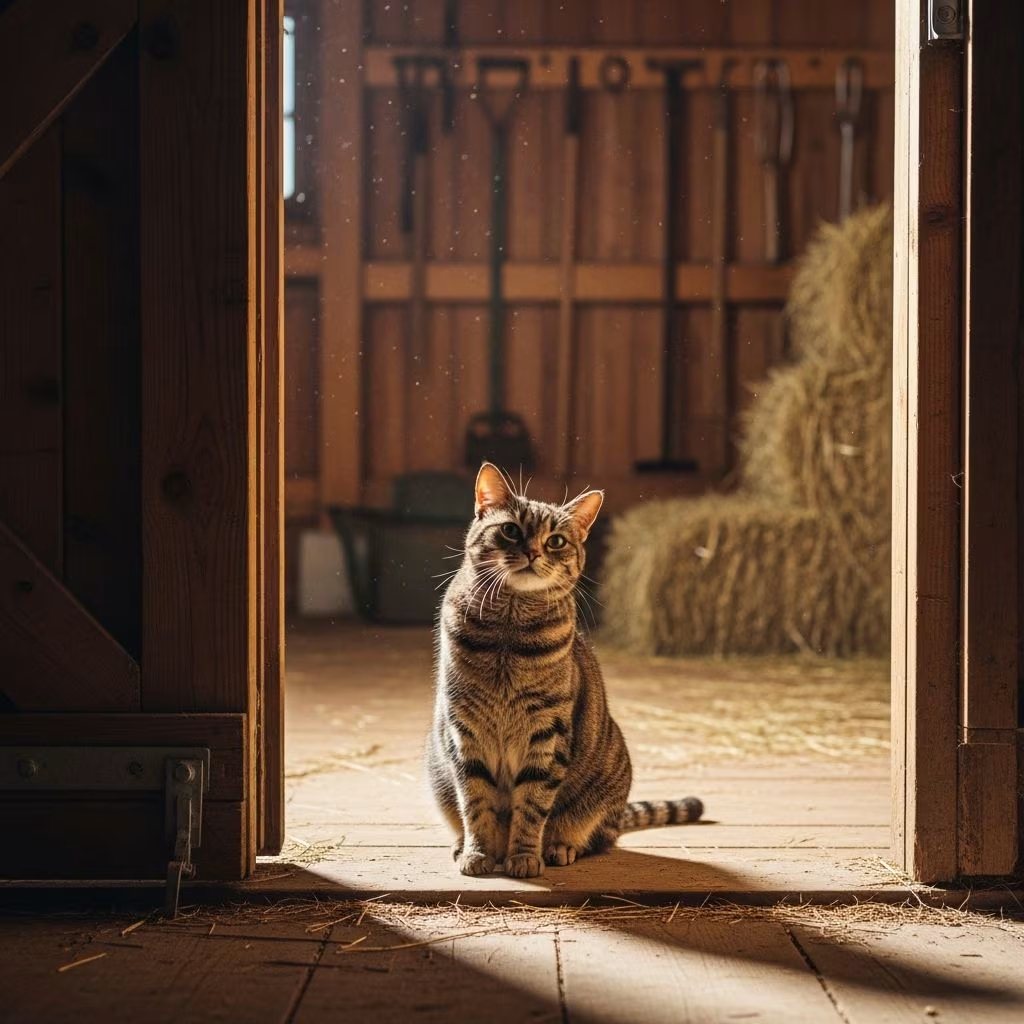
Barn cats serve as invaluable allies on farms and homesteads, expertly controlling rodents and other pests. However, their independent nature often leads them to wander off, potentially returning to previous homes or seeking better resources elsewhere. Preventing this requires a strategic approach grounded in feline behavior and welfare best practices. This guide outlines **seven essential steps** to keep your barn cats securely on your property while ensuring they remain healthy hunters.
Drawing from veterinary recommendations and community-tested methods, these tips emphasize proper introduction, consistent care, and respect for their semi-feral instincts. Whether you’re adopting your first barn cats or managing an established colony, implementing these measures minimizes escapes and maximizes vermin control.
The 7 Steps to Keep Barn Cats from Running Away
1. Adopt Them Young and Keep Them in Pairs
Selecting the right barn cats from the start significantly reduces the likelihood of them running away. **Kittens are ideal** because they adapt quickly to new environments without strong attachments to prior territories. Older cats, especially those from shelters or other farms, may attempt to return to familiar grounds, increasing escape risks.
Source kittens from farms or rural areas where they’ve already acclimated to outdoor living. This prepares them for barn life without the urge to seek indoor comforts. Adopting in **pairs or small groups** fosters companionship, making your property feel like home. A bonded pair is less likely to venture far, as they provide mutual support and entertainment.
For larger properties, consider multiple pairs to cover more ground effectively. Always prioritize **early spaying and neutering**—ideally before adoption—to prevent unplanned litters and curb roaming instincts driven by hormones. Fixed cats exhibit reduced wanderlust, staying closer to food sources and shelter. This step not only controls population but enhances retention, as neutered cats focus more on hunting than mating expeditions.
2. Confine Them Initially
The transition to a new farm is stressful for cats, triggering flight responses. **Confinement for 2-4 weeks** allows them to decompress, associate your property with safety, and imprint on its scents and sounds. Skipping this can result in immediate bolting toward old territories.
Use a secure garage, shed, or large crate setup with ample space, hiding boxes, litter access, and temperature control. Avoid extremes: keep it draft-free, with bedding for warmth. Provide daily fresh food, water, and clean litter while speaking softly to build familiarity.
Guidelines from animal welfare organizations recommend this period: place traps directly into enclosures for safe transfer, using hidey boxes like TruCatch Feral Cat Dens to minimize stress and escape attempts during handling. After confinement, gradually open access, leaving the crate available as a safe retreat. This method boasts high success rates, with cats often using the enclosure long-term.
- Confinement essentials: Hidey box for security, litter pan upfront, food/water stations, ventilation without direct exposure.
- Duration: Minimum 2 weeks; extend to 4 for feral adults.
- Release tip: Do so on clear weather days to encourage exploration without distress.
3. Socialize With Them
Barn cats may be working felines, but building a positive human bond discourages fleeing. **Regular, gentle interaction** during confinement helps them recognize your voice and scent as providers of good things. Talk calmly, use feeding-time calls like “kitty kitty,” and avoid forcing contact.
Kittens respond best, often becoming affectionate, while adults may remain wary—respect their boundaries to prevent fear-based escapes. Consistent socialization equates safety with your presence, reducing the appeal of unknown territories. Over time, this fosters trust without demanding lap-cat behavior.
Pro tip: Incorporate wand toys through enclosure bars for low-stress play, assessing comfort levels. Socialized cats hunt more confidently, knowing home base is secure.
4. Feed a High-Quality Diet
Nutrition is a powerful anchor. **Well-fed cats won’t roam for meals**, debunking the myth that feeding reduces hunting drive. Cats hunt instinctively; supplemental food boosts energy for efficient pest control rather than survival scavenging.
Opt for vet-recommended, high-protein kibble or wet food suited to outdoor lifestyles—rich in taurine, omega-3s for coat health against weather exposure. Feed daily at fixed spots to establish routine; this draws them back reliably. Undernourished cats wander to neighbors, diluting your vermin control.
A balanced diet enhances immunity, vitality, and fertility control post-spay/neuter. Consult vets for tailored plans, considering age and activity.
| Diet Type | Benefits for Barn Cats | Feeding Frequency |
|---|---|---|
| High-Protein Dry Kibble | Sustained energy, dental health | Daily, split meals |
| Wet Food | Hydration, palatability | 2-3 times weekly |
| Supplements (if vet-approved) | Joint support, flea prevention | As needed |
5. Provide Shelter
A dedicated **safe haven** is non-negotiable. Barn cats self-select cozy spots, but enhance with insulated areas: straw-filled boxes, elevated platforms, or modified sheds with cat doors. Ensure 24/7 access unless predators threaten.
In winter, add mylar blankets or heat pads; summer needs shade and ventilation. Nightly locking protects from coyotes, bobcats, or owls prevalent in rural zones. Open barns or timed doors allow nocturnal hunting while prioritizing safety.
Well-sheltered cats view your farm as sanctuary, far preferring it over wild risks.
- Insulate with hay bales or straw.
- Multiple entry points for colony access.
- Predator-proof if locking overnight.
6. Help Them Establish Their Territory
Cats are territorial; aid scent-marking to claim your property. **Provide scratching posts, pheromone diffusers, or familiar bedding** during confinement. Post-release, these reinforce boundaries.
Regular feeding spots become anchored territories. Avoid cleaning scents excessively—let their pheromones build. For colonies, this prevents inter-cat fights that spur wandering. Neutering amplifies territorial loyalty.
Expert handbooks stress territory imprinting via confinement and scent continuity.
7. Give Them Space
Respect their **semi-feral independence**. Forcing interaction stresses them, prompting escapes. Allow approach on their terms; patience earns voluntary affinity.
Monitor from afar, intervening only for health issues. This balance keeps cats content, hunting diligently without feeling trapped. Space respects their nature, cementing long-term residency.
Frequently Asked Questions (FAQs)
What if my barn cat still runs away after these steps?
Reassess confinement duration or food consistency. Trap and reconfine briefly to re-imprint. Check for predators or neighbor feeding lures.
How long should I confine new barn cats?
2-4 weeks minimum, per welfare guidelines. Extend for stressed ferals.
Do I need to feed barn cats if they hunt?
Yes—hunting alone insufficient. Daily supplements ensure health and retention.
Can adult feral cats become good barn cats?
Yes, with patience, though kittens adapt easiest. Socialize gently.
What’s the best shelter setup?
Insulated, accessible with hideaways and predator protection.
Implementing these steps creates a thriving barn cat program. Your property gains rodent-free bliss, and cats enjoy purposeful lives. Start small, scale responsibly.
References
- Barn Cat 101 Handbook — Maddie’s Fund / American Pets Alive!. 2014. https://www.maddiesfund.org/assets/documents/Institute/APA!%20Barn%20Cat%20Handbook.pdf
- Barn Cat 101 — American Pets Alive!. 2014. https://americanpetsalive.org/uploads/resources/Barn-Cat-101.pdf
- Barn Cat FAQ — Feral Cat Focus. Accessed 2026. https://feralcatfocus.org/barn-cat-faq/
- How to Keep a Barn Cat From Running Away: 7 Easy Tips — Catster. 2023. https://www.catster.com/cat-health-care/how-to-keep-a-barn-cat-from-running-away/



