

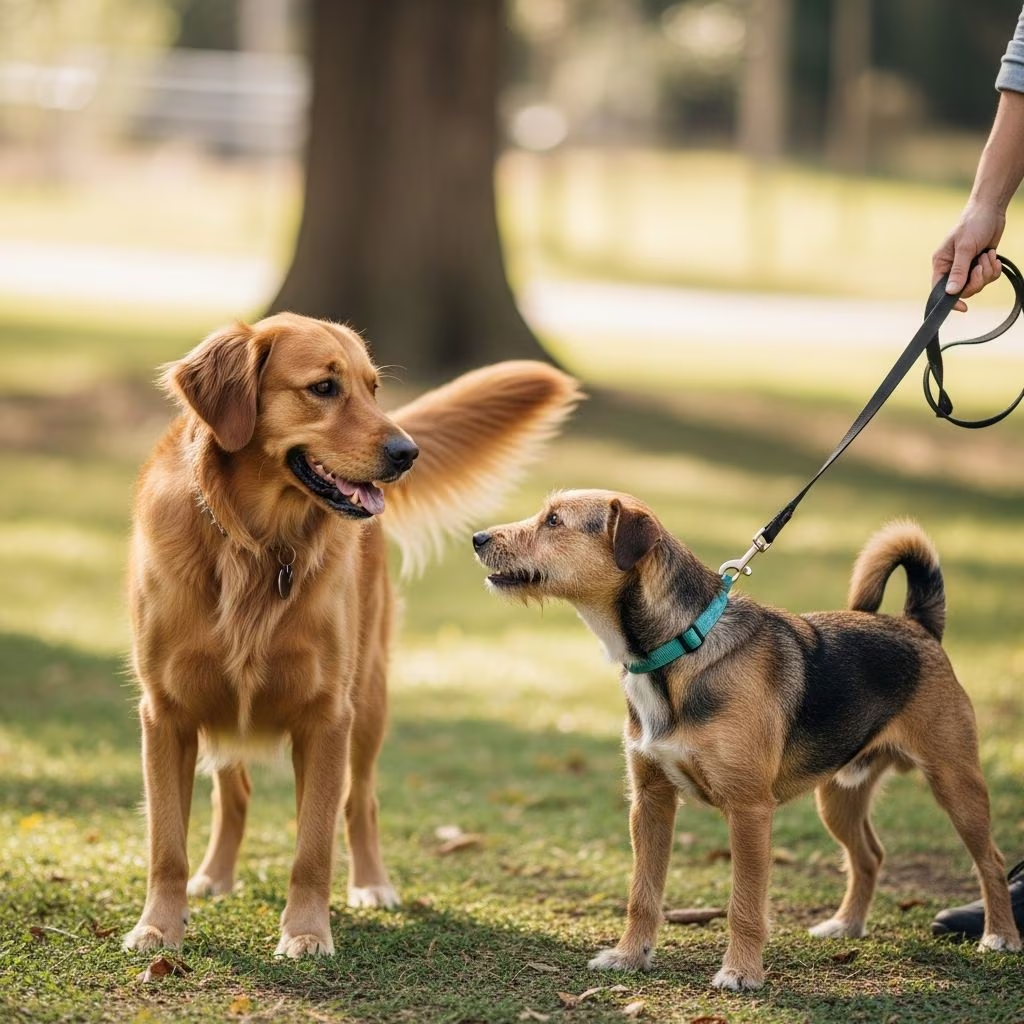
Introducing two dogs can be exciting but requires careful planning to ensure safety and success. Whether bringing home a new pup or meeting a friend’s dog, understanding canine greetings and body language is essential for fostering positive relationships.
Why Proper Introductions Matter
Dogs are social animals that communicate through body language, scents, and behavior. A proper introduction helps reduce fear, assess compatibility, and prevent conflicts. Rushed meetings can lead to stress, aggression, or lasting aversion.
Functions of dog greetings include gathering information on sex, age, health, and temperament; signaling status; and building tolerance for proximity. For unfamiliar dogs, it’s an assessment; for familiar ones, it’s about reunion and play.
Understanding Dog Body Language During Greetings
Recognizing appropriate and inappropriate signals is crucial. Calm approaches and relaxed postures indicate a good greeting.
Signs of a Positive Greeting
- Calm, relaxed approach from the side or in an arc, not head-on.
- Relaxed body: loose muscles, flexible waggy tail, neutral or forward ears, soft jaw.
- Sniffing glands and pheromones, starting at head or rear (males often rear first, females head).
- Comfortable interaction without anxiety.
- Short duration naturally, as dogs prefer brief greetings.
Warning Signs of Trouble
- Tension in body, stiff tail (twitching tip or tucked), pinned-back ears.
- Fearful or anxious facial expressions.
- Intense staring, head/paw over shoulders (pushy behavior).
- Growling, snapping, or avoidance.
Over 80% of greetings in studies were unreciprocated, especially with size differences—respect if a dog opts out.
Best Locations for Dog Introductions
Choose neutral territory to avoid territorial behavior. Parks, fields, or quiet streets work best—not your home or yard initially.
- Outdoor neutral space: Allows ‘pee-and-flee’ strategy where new dogs urinate to communicate at a distance, reducing direct sniffing pressure.
- Avoid indoors first: House-trained dogs can’t use urine marking, heightening tension.
- Leashed but loose: Keep leashes slack to prevent ‘leash aggression’ from restraint frustration.
Step-by-Step Guide to Introducing Dogs
Follow these structured steps for safe meetings. Always supervise and be ready to intervene.
- Prepare in advance: Exercise both dogs beforehand to reduce excitement. Ensure vaccinations and health checks.
- Neutral walk together: Have a helper walk one dog; you walk the other. Parallel walk at a distance, gradually closing gap if calm.
- Allow sniffing: Once relaxed, let them sniff on loose leashes. Keep sessions short (10-15 seconds), separate, repeat.
- Monitor and extend: If positive, allow more interaction. Reward calm behavior with treats/praise.
- Gradual home integration: After successful outdoor meets, introduce indoors with baby gates for scent familiarization.
| Step | Duration | Key Check |
|---|---|---|
| Parallel Walk | 5-10 mins | Relaxed bodies, no staring |
| Sniffing | 10-30 secs | Loose tails, soft ears |
| Play/Interact | 1-5 mins | Play bows, no tension |
Special Considerations
Introducing Puppies
Puppies are forgiving but match size/energy. Adult dogs teach manners; supervise to prevent overwhelm.
Dogs on Leashes vs. Off-Leash
Leashes can inhibit natural movement—use long lines in safe areas. Off-leash only in fenced, controlled spaces after positive leashed meets.
Multiple Dogs
Introduce one-on-one first. Group greetings increase chaos; stagger meetings.
Common Mistakes to Avoid
- Rushing indoors: Skips neutral ground, triggers guarding.
- Tight leashes: Causes defensive reactions.
- Ignoring signals: Forcing interaction leads to fights.
- Overstaying: Greetings should be brief; end on high note.
- Familiar behavior with strangers: Playful buddies’ style may offend new dogs.
What If It Doesn’t Go Well?
Not all dogs become friends—toleration suffices. Signs of incompatibility: repeated tension, avoidance, aggression. Separate permanently or manage with gates/training. Consult professionals for reactivity.
Frequently Asked Questions (FAQs)
Can I introduce dogs off-leash right away?
No. Start leashed in neutral areas for control. Progress to off-leash only after proven positivity.
How long does bonding take?
Varies from minutes to weeks. Multiple short, positive sessions build trust.
What if one dog is intact?
Hormones can complicate—extra caution, consider neutering for better odds.
Is sniffing butts always part of greetings?
Common but not universal; dogs sniff scent glands anywhere.
Should I punish bad greetings?
No—punishment increases fear. Redirect calmly and end session.
Expert Tips for Long-Term Success
Continue training: recall, impulse control. Provide individual attention to prevent jealousy. Regular positive exposures strengthen bonds.
References
- Guide to Dog Greetings — Kinship (Karen B. London, PhD, CAAB, CPDT-KA). 2023. https://www.kinship.com/dog-behavior/guide-dog-dog-greetings
- AVSAB Position Statement on Puppy Socialization — American Veterinary Society of Animal Behavior. 2008 (authoritative standard, remains foundational). https://avsab.org/wp-content/uploads/2018/03/Puppy_Socialization_Position_Statement_Download_-_10-3-14.pdf
- Dog-Dog Introductions Guidelines — ASPCA Professional. 2024. https://www.aspcapro.org/resource/dog-dog-introductions
- Canine Communication Study — Journal of Veterinary Behavior (Bradshaw et al.). 2016. https://doi.org/10.1016/j.jveb.2016.03.002
- Ol factory Investigation in Dog Parks — Anneke Lisberg, PhD. 2018. https://www.sciencedirect.com/science/article/pii/S155878781830001X



