

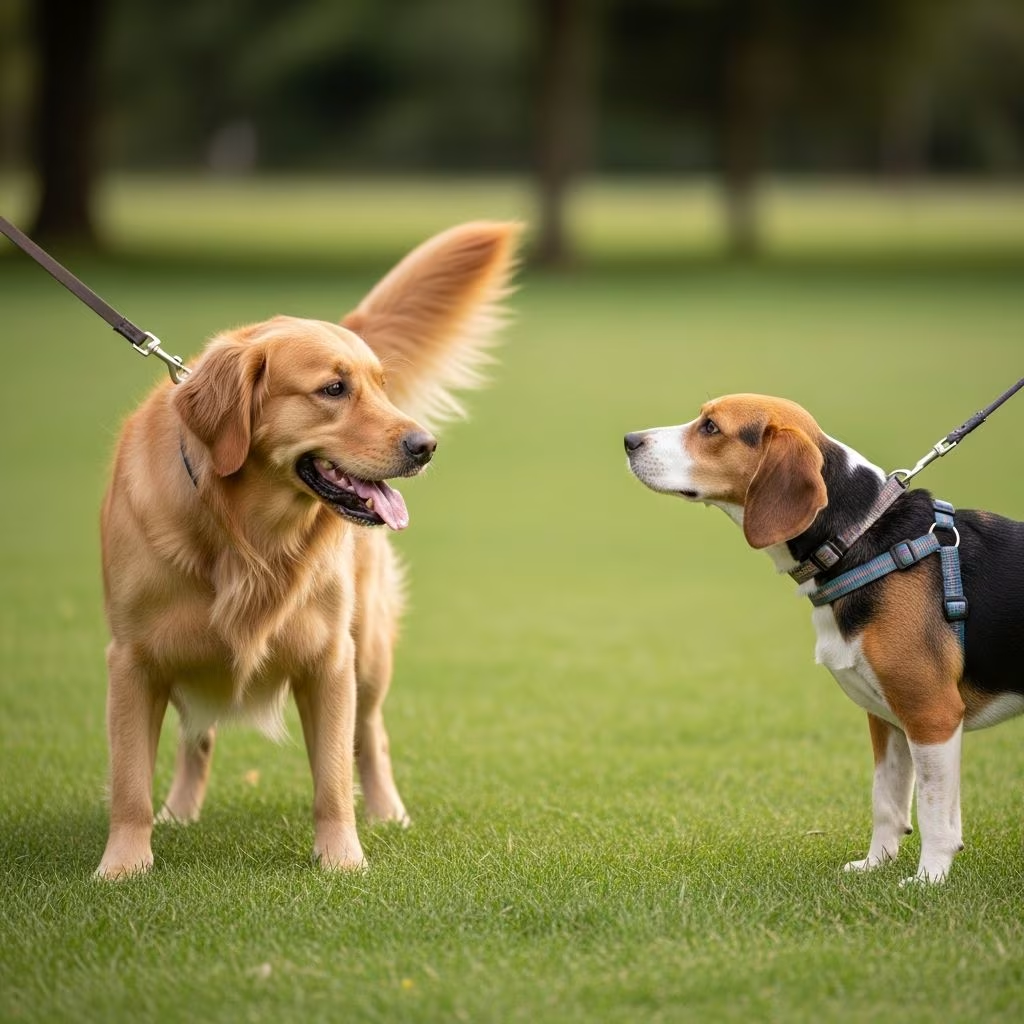
How to Introduce Dogs to Each Other
Introducing dogs to each other can feel overwhelming and stressful, but with the right approach and preparation, you can ensure that the meeting goes smoothly and sets the foundation for a positive relationship between your dogs. Whether you’re bringing home a new family member, fostering a temporary companion, or simply having a visiting dog, following proper introduction techniques significantly increases the likelihood of success. This comprehensive guide will walk you through everything you need to know about introducing dogs to each other, from understanding canine body language to executing proper introduction protocols.
Understanding Your Dog’s Temperament
Before you even plan an introduction, it’s crucial to honestly assess your current dog’s general attitude toward other dogs. Every dog is an individual with unique preferences and comfort levels. Some dogs are naturally social and friendly toward other canines, while others require much more careful and gradual introductions. Understanding your dog’s personality and past experiences with other dogs will help you determine the best introduction strategy.
Consider these important factors about your dog:
- Some dogs feel uncomfortable or reactive when meeting new dogs and need very slow, deliberate introductions
- Many dogs don’t necessarily like every single dog they encounter, even if they’re generally social
- Some dogs are best suited to being the only dog in the household and may struggle significantly with having another dog present
- Prior negative experiences with other dogs can make future introductions more challenging
- Age, size, and energy level all play roles in how your dog will respond to a new canine companion
If your dog has a history of aggression, severe anxiety, or extensive negative experiences with other dogs, consulting with a professional relationship-based trainer before any introduction is highly recommended.
The Importance of First Impressions
First impressions matter tremendously when introducing dogs to each other. One of the most common mistakes people make is bringing a new dog directly into the home where their current dog is waiting. This scenario naturally makes your resident dog feel territorial and view the newcomer as an intruder rather than a potential friend. Starting off on the wrong foot can result in a much longer acclimation period and potentially create ongoing tension between the dogs.
Properly introduced dogs are significantly more likely to become companions and buddies over time. By taking the time to set up successful initial meetings, you dramatically improve the chances of long-term harmony in your household. The effort you invest in proper introduction techniques will pay dividends throughout the years that both dogs live together.
How to Introduce Dogs Properly
Following a structured introduction process gives your dogs the best chance of becoming friends. Here’s the recommended step-by-step approach:
Step 1: Meet on Neutral Ground
Always arrange the first meeting on neutral territory rather than at either dog’s home. Neutral ground might be a local park, a quiet street, a pet supply store parking lot, or any area that doesn’t belong to either dog. This prevents territorial behavior and gives both dogs a fresh start without the stress of defending their home.
Step 2: Parallel Walking
Begin the introduction with parallel walking. Enlist the help of another person so that each of you can walk one dog. Walk parallel to each other, starting at approximately 20 feet apart. This allows the dogs to become aware of each other’s presence without the intensity of a direct face-to-face meeting.
Step 3: Monitor Distance and Behavior
Pay close attention to how your dogs respond to each other. If either dog pulls toward the other, stares intensely, or shows signs of overly excited behavior, you are too close too soon. The goal is calm, relaxed behavior, not excitement or tension. When you notice these signs, increase the distance between the dogs and let them simply hang out at that greater distance for a while. This gives them time to adjust to each other’s presence without pressure.
Step 4: Use Treats and Positive Reinforcement
Throughout the parallel walk, use treats strategically to reward both dogs for remaining calm and focusing on their handlers. This accomplishes two important things: it gives the dogs something constructive to do while they acclimate to each other, and it creates positive associations with each other’s presence. The treats also help keep the dogs’ attention on their handlers rather than fixating on the other dog. Maintain a patient and relaxed demeanor yourself—dogs pick up on human anxiety, so your calm energy will help them stay calm too.
Step 5: Gradual Progress
It can take more than one walk to see the relaxed behavior you’re looking for. You may need to conduct several parallel walks before the dogs seem comfortable enough to proceed to closer interaction. What you’re looking for is relaxed and confident behavior from both dogs. Neither should appear overly aroused, nervous, stiff, or fearful. Signs of success include loose body posture, natural breathing, and interest in treats and their handler rather than intense focus on the other dog.
Step 6: Allow Direct Interaction
Once both dogs display consistent calm and relaxed behavior during parallel walks, you can gradually decrease the distance between them. Eventually, you may allow them to approach each other for a proper greeting. Watch their body language carefully during this interaction. Dogs often do a bit of posturing when first meeting, which is normal. Allow them to sniff each other, and provide praise for a nice, polite greeting. You can then continue walking together, periodically stopping to allow them to sniff and investigate each other further.
Understanding Canine Body Language
Before introducing your dog to another canine, you should have a basic understanding of dog body language or get help from someone who does. Being able to read what dogs are communicating through their bodies is essential for recognizing when an introduction is going well and when it needs to be stopped. Dogs with no experience or previously negative experiences meeting other dogs may feel fear when they encounter another dog, and knowing how to interpret their body language helps you protect both animals.
Positive Body Language Signals
Look for these signs that indicate your dogs are comfortable and interested in each other:
- Loose, relaxed body posture
- Soft eyes with brief glances or looking away
- Natural tail position
- Play bowing with front legs stretched out
- Gentle pawing during play
- Interest in sniffing each other
- Taking turns sniffing and retreating
Warning Signs to Watch For
Stop the introduction immediately if you notice these negative body language signals:
- Stiffened body posture
- Intense staring into each other’s eyes
- Raised hackles (hair standing up along the back)
- Bared teeth or growling
- Lunging or attempting to fight
- Excessive anxiety or fear responses
- One dog continuously chasing or cornering the other
If dogs stiffen their bodies and stare into each other’s eyes with hair up and teeth showing, they’re probably not going to be fast friends. In this case, separate them immediately and don’t attempt any further introduction without the help of a professional trainer.
Introducing a Puppy to an Adult Dog
Introducing a puppy to an adult dog follows the same basic procedure outlined above. However, there are some important additional considerations when one of the dogs is a very young puppy.
If the puppy is under 6 months old, both the adult dog and the puppy might need frequent breaks from each other. Young puppies have seemingly endless energy and enthusiasm, and some adult dogs will quickly lose patience with a puppy’s constant play attempts. An adult dog that was patient for 15 minutes might reach their limit and show frustration or irritation toward the energetic youngster.
Most importantly, if the adult dog doesn’t seem to like or accept the puppy, do not leave them alone together unsupervised. Supervision is crucial during the initial adjustment period, especially when significant age and size differences exist. Puppies are vulnerable, and an annoyed adult dog can cause serious injury, even unintentionally.
Setting Dogs Up for Success
Following a patient, structured approach to dog introductions gives both your current dog and the new dog the best chance of becoming compatible housemates. Remember these key principles:
- Choose neutral territory for initial meetings
- Start with distance between the dogs and gradually decrease it
- Keep both dogs on loose leads during initial introductions
- Use treats and positive reinforcement frequently
- Take multiple walks before expecting close interaction
- Watch body language constantly
- Never rush the process—patience is essential
- Maintain a calm, relaxed demeanor as the handler
When to Seek Professional Help
If at any point during the introduction process you feel uncomfortable or uncertain, please seek help from a relationship-based trainer who has ample experience with dog-to-dog interactions. A professional can assess your specific situation, read the dogs’ body language accurately, and provide guidance tailored to your dogs’ personalities and history. There’s no shame in getting expert help—in fact, doing so can prevent serious injuries and save you from creating negative associations between your dogs.
Frequently Asked Questions
How long does it take for dogs to adjust to each other?
The timeline varies greatly depending on the individual dogs, their temperaments, and prior experiences. Some dogs click immediately, while others may take weeks or even months to become truly comfortable with each other. Patience and consistent positive interactions are key. Plan for at least several weeks of supervision and gradual integration before considering the introduction fully successful.
Can I introduce multiple new dogs to my current dog at the same time?
No, it’s much better to introduce new dogs one at a time. Multiple introductions happening simultaneously can be overwhelming and chaotic for all the dogs involved. Introduce each new dog individually to your current dog first, allowing each relationship to develop before adding another dog to the mix.
What if my dog has been reactive to other dogs in the past?
Dogs with a history of reactivity require even more careful, gradual introductions. Start at greater distances and move more slowly through the process. Consider working with a professional trainer who specializes in reactive dog behavior. Slow, positive exposure to other dogs in low-stress situations can help improve their comfort level over time.
Should I introduce dogs in my home or outside?
Always start introductions outside or on neutral ground. Once the dogs have successfully met multiple times in neutral territory and shown consistent positive behavior toward each other, you can begin allowing them to interact in your home. Even then, continue supervision until you’re absolutely confident in their relationship.
What role does exercise play in successful dog introductions?
Dogs that are well-exercised tend to be calmer and less reactive during introductions. A dog that has had adequate physical activity is more likely to be in a relaxed mental state. Consider taking your dog for a good walk or play session before an introduction to help ensure they’re in the right frame of mind for a positive meeting.
References
- How to Introduce Dogs to Each Other — Best Friends Animal Society. Accessed 2025-11-28. https://bestfriends.org/pet-care-resources/how-introduce-dogs-each-other
- Steps for Introducing Two Dogs — Best Friends Animal Society. Accessed 2025-11-28. https://bestfriends.org/stories/features/steps-introducing-two-dogs
- Tips for Bringing Home a New Pet — Best Friends Animal Society. Accessed 2025-11-28. https://bestfriends.org/pet-care-resources/tips-bringing-home-new-pet
- Shelter Dog Socialization and Dog Introductions — Best Friends Animal Society. Accessed 2025-11-28. https://bestfriends.org/pet-care-resources/shelter-dog-socialization-and-dog-introductions
- Dog Foster Care Manual — Best Friends Animal Society. Accessed 2025-11-28. https://bestfriends.org/pet-care-resources/dog-foster-care-manual



