

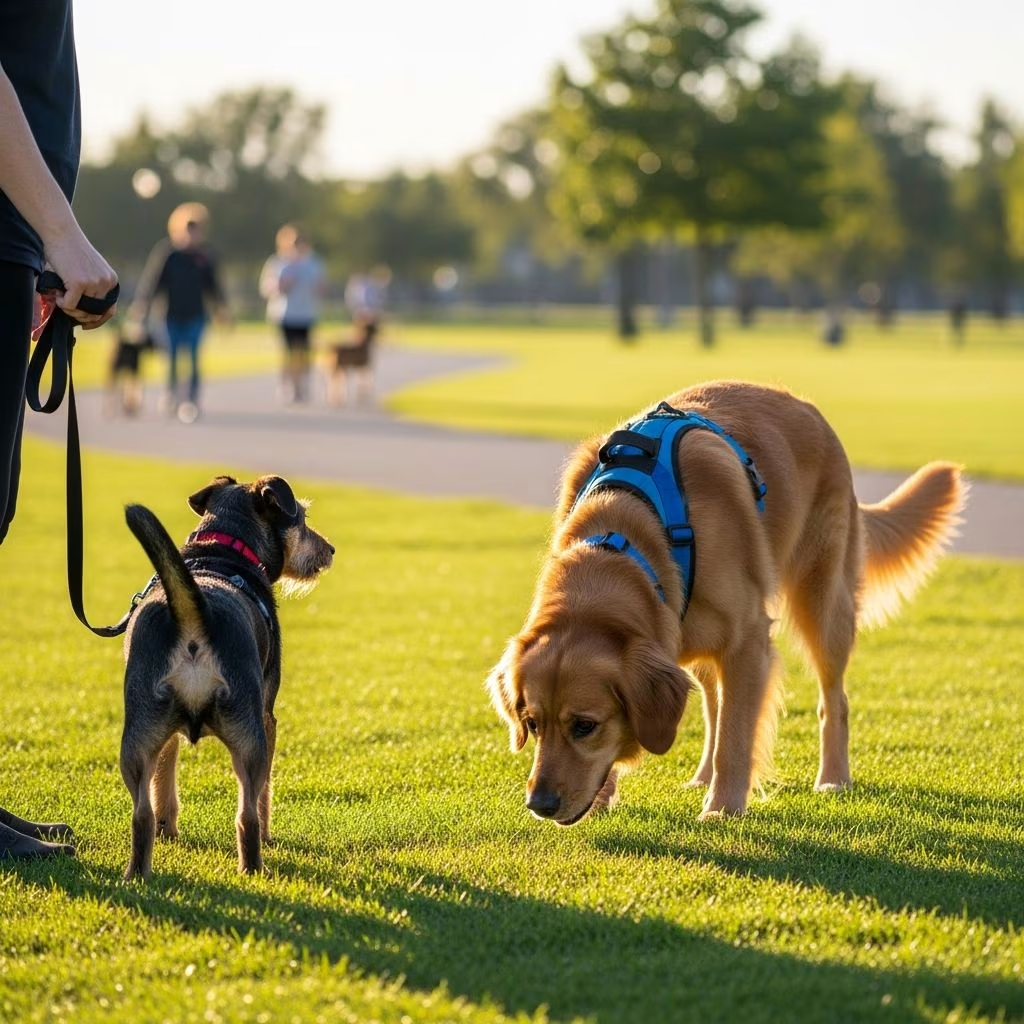
How To Introduce Dogs to Each Other
Introducing two dogs requires careful planning and execution to ensure a smooth and positive experience for both pets and their owners. While it might be tempting to simply remove the leashes and allow dogs to sort out their meeting independently, this approach poses significant safety risks and can create negative associations that persist for years. A methodical and gradual introduction is the most effective way to establish a strong foundation for canine friendship and compatibility.
Why Are Dog Introductions Important?
The way dogs meet for the first time significantly impacts their future relationship. When dogs are introduced properly through a gradual and positive process, they’re more likely to develop favorable associations with each other and potentially become lifelong companions. A well-executed introduction increases the chances that both dogs will feel comfortable in each other’s presence and may even enjoy each other’s company.
However, it’s equally important to recognize that not every dog needs or wants canine companionship. Some older dogs may prefer solitude, while others who lacked proper socialization during puppyhood might feel anxious around unfamiliar dogs. Before planning an introduction, consider your dog’s individual personality, temperament, and history. Some dogs are naturally social and crave interaction with other canines, while others are content being the sole pet in a household. Respecting your dog’s preferences and emotional needs should always take priority over forcing interactions they may find stressful.
The Best Way To Introduce Dogs
Successful dog introductions follow a systematic approach that prioritizes safety, comfort, and gradual progression. The following steps will help ensure that both dogs remain safe while developing positive associations with each other.
1. Have the Right Gear
Before any introduction takes place, ensure that both dogs are equipped with secure, properly-fitted gear that they cannot slip out of. A martingale collar or well-fitted harness paired with a standard 6-foot leash provides optimal control and safety. Flexible or retractable leashes should be avoided during introductions, as they can unexpectedly extend, snap under pressure, or become difficult to manage if tension suddenly increases. The 6-foot leash length offers enough flexibility for natural movement while maintaining adequate control.
Additionally, prepare high-value treats that motivate both dogs. These should be special rewards that the dogs don’t receive during normal daily interactions—small pieces of chicken, cheese, or premium training treats work well. Fill your pockets with these treats before the introduction begins, as you’ll use them to reward calm behavior and positive interactions throughout the process.
2. Go to a Neutral Space
The location where dogs meet for the first time plays a crucial role in determining the outcome of the introduction. Choose a large outdoor space that neither dog has previously claimed or frequently visited. Avoid locations where either dog has engaged in regular marking behavior or has established territorial feelings. Neutral territory eliminates the possibility that one dog will feel defensive or possessive about the meeting location.
Ideally, the space should be expansive enough to allow the dogs to be separated by at least 30 feet initially. Parks, open fields, or large parking areas often serve as excellent neutral meeting grounds. The size of the space allows handlers to maintain adequate distance and control while gradually bringing the dogs closer together as they demonstrate comfort and calm behavior.
3. Note Your Dog’s Body Language
Understanding canine body language is essential for recognizing when a dog feels comfortable, anxious, or potentially aggressive. Handlers must become familiar with the visual cues that indicate their dog’s emotional state during the introduction process.
Signs that a dog may feel unsure, fearful, or reactive include:
- Staring intensely at the other dog or becoming fixated on them without breaking eye contact
- Baring teeth or snarling
- Stiff body posture with rigid tail position
- Ears pinned back against the head
- Lunging or pulling excessively on the leash
- Raised hackles along the spine and shoulders
- Growling or other vocalizations
- Cowering or attempting to retreat
In contrast, dogs showing positive interest typically display relaxed body language, soft facial expressions, and natural curiosity without tension or aggression. If either dog displays stress signals, handlers should increase the distance between them and slow the introduction process.
4. Stay Low-Key and Stress-Free
The emotional energy that handlers project during introductions directly influences how dogs perceive the situation. Remain calm, quiet, and relaxed throughout the process. Dogs are sensitive to human anxiety and tension, and if you appear nervous or worried, your dog may interpret this as confirmation that there’s something to fear about the other dog. Speaking in hushed, encouraging tones and maintaining relaxed body language helps communicate to your dog that this is a positive, safe experience.
Avoid making the introduction feel like a high-stakes event. The more casual and matter-of-fact you can make the meeting, the more natural it will feel to both dogs. Engaging in normal conversation with the other handler and appearing confident in the process helps set a positive tone for the encounter.
5. Walk Parallel
The first active phase of introduction involves parallel walking. Two handlers walk their dogs in the same direction while maintaining a distance of at least 30 feet between the animals. This approach allows the dogs to become aware of each other’s presence without creating the pressure of a direct, face-to-face meeting.
As you walk parallel:
- Maintain consistent distance and walk at a steady pace
- Offer small, high-value treats when each dog looks away from the other dog and toward their handler
- Provide verbal praise and encouragement for calm behavior
- Allow the dogs to set the pace for closing the distance between them
- Continue parallel walking until both dogs show consistent calm behavior
The key to successful parallel walking is allowing the dogs to indicate when they feel comfortable reducing the distance. Don’t force proximity before both animals are ready. This may require multiple parallel walking sessions over several days or even weeks, depending on each dog’s temperament and comfort level. Some dogs progress quickly, while others need more time to adjust. Rushing this stage can create setbacks and prolong the overall introduction process.
6. Gradually Close the Distance
Once both dogs consistently demonstrate calm behavior during parallel walking, handlers can begin gradually narrowing the gap between them. This should happen incrementally, reducing the distance by a few feet with each successive session. Watch for any signs of increased tension or reactivity; if either dog shows discomfort, return to a greater distance.
When the dogs have finally closed the gap enough to greet and sniff each other, allow only a brief initial contact. Once this sniff-greeting has occurred, immediately resume walking side by side with both dogs calm and focused. This prevents the meeting from becoming overly stimulating or allowing tension to build during the greeting phase. Celebrate this success with treats and praise before concluding the session.
Tips for Introducing Dogs
Several important considerations can significantly impact the success of dog introductions:
Avoid Head-On, Face-to-Face Approaches: Direct, face-to-face meetings are inherently stressful and unnatural for dogs. This confrontational positioning can trigger defensive or aggressive responses. Parallel walking and angled approaches are far more natural and comfortable for canines.
Unsuitability for Dogs with Behavioral Issues: This introduction method isn’t appropriate for dogs with barrier reactivity, leash aggression, or fence fighting behaviors. These dogs may become triggered by seeing another dog at a distance, making a gradual outdoor introduction potentially dangerous. Dogs with these behavioral challenges should work with a qualified professional trainer before attempting introductions.
Multiple Sessions May Be Necessary: Not all dog introductions proceed quickly. Some dogs may need numerous parallel walking sessions before they’re calm enough for closer proximity. Others might progress from initial meeting to side-by-side walking in just one or two sessions. Every dog learns and adjusts at their own pace.
Supervise Closely: Even after a successful initial introduction, continue supervising interactions carefully. Dogs may display different behaviors in various environments or situations, so ongoing vigilance helps prevent unexpected conflicts.
Frequently Asked Questions
Q: How long does the dog introduction process typically take?
A: The introduction process varies significantly depending on each dog’s temperament and prior socialization experiences. Some dogs may progress from parallel walking to side-by-side walking in just one or two sessions. Others may require several weeks of gradual introduction before they’re fully comfortable with each other. It’s important to let each dog’s comfort level dictate the pace rather than forcing progression on a predetermined timeline.
Q: What should I do if one dog shows signs of aggression during the introduction?
A: If either dog displays aggressive behavior such as growling, snapping, lunging, or stiff body posture, immediately increase the distance between them and stop the introduction session. Consult with a certified professional dog trainer or veterinary behaviorist before attempting any further introductions. Some dogs may benefit from working with a professional before meeting other dogs.
Q: Can introductions happen indoors, or must they take place outdoors?
A: Outdoor introductions in neutral territory are strongly recommended because they provide ample space for dogs to maintain distance and move freely. Indoor spaces can feel confining and may increase tension. For dogs already living together, indoor management and supervised interactions are necessary, but initial meetings should occur outside in neutral locations.
Q: Is it safe to introduce dogs without leashes?
A: No. Leashes provide essential safety and control during dog introductions. Even well-behaved dogs may react unpredictably when meeting unfamiliar dogs for the first time. Leashes allow handlers to quickly intervene if necessary and prevent either dog from escaping. Only allow off-leash interaction after the dogs have successfully completed multiple supervised, on-leash introduction sessions and consistently demonstrate calm behavior together.
Q: What treats work best for rewarding calm behavior during introductions?
A: High-value treats that your dog doesn’t receive during normal daily life work best. Small pieces of chicken, cheese, turkey, or premium training treats can effectively motivate calm behavior. The treats should be valuable enough to capture your dog’s attention and redirect focus away from the other dog when needed.
References
- How To Introduce Dogs to Each Other — PetMD Editorial Guidelines. 2024. https://www.petmd.com/dog/behavior/how-to-introduce-dogs
- About PetMD Editorial Standards — PetMD. 2024. https://www.petmd.com/editorial-guidelines
- How to Introduce Dogs so They’ll Be Besties for Life — Chewy Education. 2024. https://www.chewy.com/education/dog/training-and-behavior/doggie-play-date-etiquette-how-to-introduce-pets-successfully
- How to Introduce a Cat to a Dog — PetMD. 2024. https://www.petmd.com/cat/general-health/how-to-introduce-cat-to-dog



