

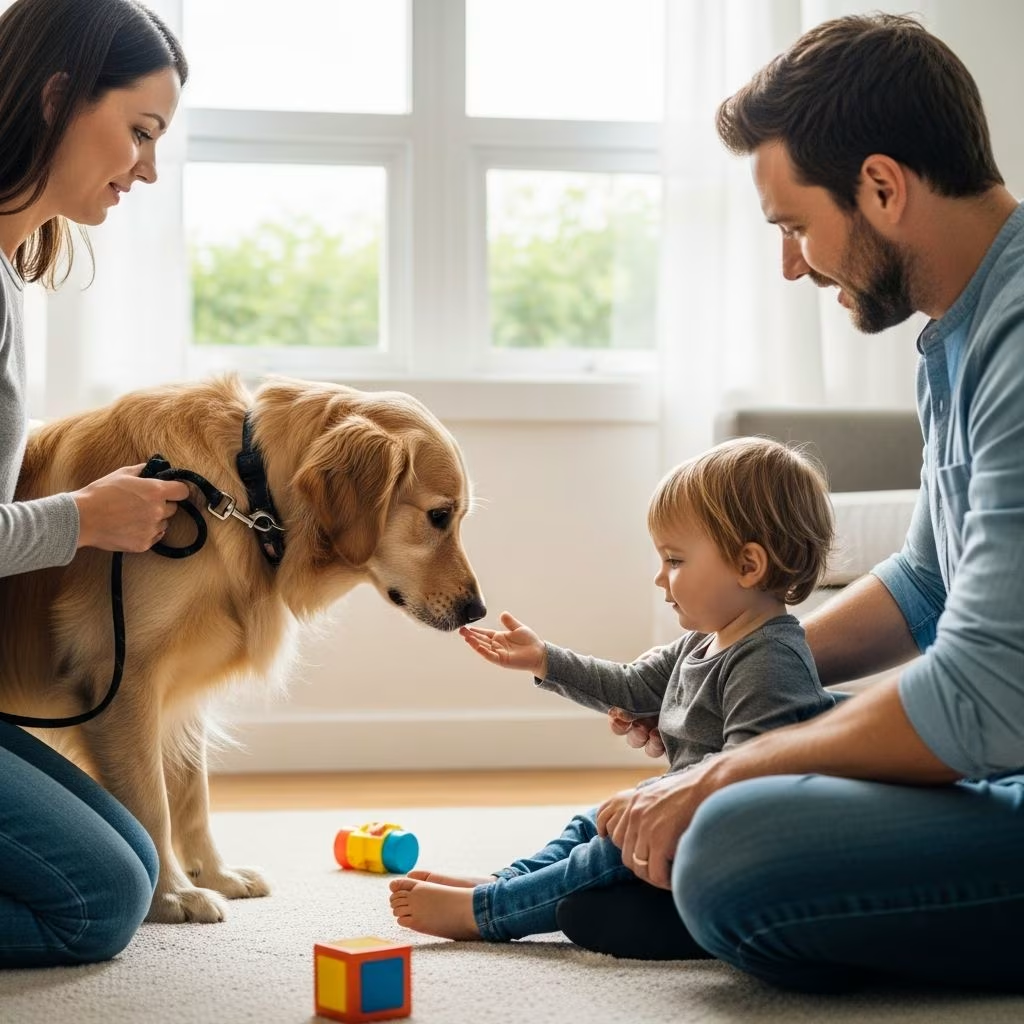
Dogs make wonderful companions for children, offering playmates, loyalty, and countless joyful moments. However, a successful relationship hinges on proper introduction to foster trust and mutual respect between your dog and kids. This guide, informed by veterinarians and certified trainers, outlines essential steps for parents to ensure safety and positivity from day one.
Parents, it all starts with you
As the adult in charge, your role is pivotal in setting the foundation for a harmonious dog-child dynamic. Veterinarian Dr. Susannah Teran emphasizes that parents must first train themselves to model correct behaviors. You bear ultimate responsibility for safety and creating a positive environment. Begin by establishing clear rules before involving children, then train the dog accordingly. This mindset—adults first, kids second, dog third—maximizes success.
Prepare by discussing expectations with your family. Explain that the dog’s comfort comes before excitement. Demonstrate calm interactions yourself, as children learn by example. If kids are too young to follow instructions reliably, limit their involvement initially. Consistent parental leadership prevents mishaps and builds confidence for all.
Make sure your dog has a safe space
Prior to bringing your dog home, designate a private retreat like a crate or quiet corner with a comfortable bed. This area must be strictly off-limits to everyone, including children and adults. It serves as your dog’s sanctuary for rest, stress relief, or alone time, helping them adjust to the new environment without overwhelm.
Train kids early: “This is the dog’s special spot—no entering, even for play.” Use visual cues like a baby gate or sign. Respecting boundaries teaches children empathy and prevents accidental disturbances. A secure safe space reduces anxiety, allowing your dog to associate home with security, which extends to positive kid interactions.
- Choose a low-traffic location away from high-energy zones.
- Equip with familiar bedding, toys, and water.
- Enforce rules consistently to build trust.
Take it slow
Children’s enthusiasm often contrasts with a new dog’s potential nervousness. Certified trainer Valerie Peck advises leashing the dog and confining introductions to one room initially. Allow the dog to explore calmly before kids approach. Let the dog initiate contact—never force kids to rush in. For infants, familiarize the dog with baby scents via blankets or toys beforehand.
Maintain a relaxed atmosphere: dim lights, soft voices, no sudden movements. Monitor dog body language closely—yawning, lip licking, or tucked tail signal stress, warranting a pause. Short sessions prevent overload, gradually building familiarity. Repeat daily, extending time as comfort grows. Patience here prevents fear-based reactions.
| Dog Body Language Signals | Meaning | Action |
|---|---|---|
| Relaxed ears, loose tail wag | Comfortable, happy | Continue calmly |
| Whale eye (whites showing), stiff posture | Anxious or threatened | Separate gently |
| Yawning, lip licking | Stressed, needs space | Provide break |
Teach kids how to pet politely
Proper petting etiquette prevents discomfort and builds positive associations. Instruct children to avoid the head initially; opt for gentle strokes on the side, back, or chest. Frame petting as a privilege—the dog decides if it wants contact. Implement the “two-second rule”: pet briefly, pause, and wait for the dog to return for more. If the dog walks away, respect it.
Not all dogs enjoy petting, so teach alternatives like tossing toys, offering treats, or placing food bowls. Practice with demonstrations: show slow approaches from the side, palm up for sniffing. Role-play scenarios to reinforce. These habits promote consent and reduce mishaps, fostering voluntary engagement.
- Approach sideways, let dog sniff first.
- Use flat hand, light pressure.
- Stop if dog leans away or hides.
- Reward calm behavior with praise.
Train essential commands
Equip your dog with basic obedience to manage interactions safely. Teach “sit,” “stay,” “drop it,” and “leave it” using positive reinforcement and treats in every room for quick access. These commands prevent resource guarding, like grabbing toys or food, and allow intervention during play. Start training pre-introduction; involve supervised kids in rewarding good behavior to associate them positively.
For puppies, early socialization amplifies success. Well-trained dogs respond predictably, boosting everyone’s confidence. Combine with kid lessons on not disturbing eating or sleeping dogs to minimize triggers.
Always, always supervise
Supervision is non-negotiable, especially with babies or toddlers who can’t follow rules reliably. Dr. Teran insists never leaving infants or young children alone with any dog, regardless of temperament. Even settled dogs need oversight to prevent accidental rough play or escalations. Stay vigilant: within arm’s reach, ready to intervene.
As trust builds, supervision loosens gradually but never fully for young kids. Teach older children to recognize distress signals and fetch adults. This protects all parties and models responsibility.
Build the bond gradually
Progress from supervised sniffing to shared activities like walks or fetch. Involve kids in feeding, grooming, or training treats to create positive links. Gradual exposure—short sessions lengthening over weeks—reduces stress and strengthens ties. Family outings reinforce unity without overwhelming the dog.
Monitor for signs of discomfort; adjust pace accordingly. Patience yields deep bonds where dogs become gentle protectors and kids empathetic caregivers.
Frequently Asked Questions (FAQs)
What if my dog seems scared during introduction?
Separate calmly and retry later in shorter sessions. Use treats and praise for calm behavior. Consult a trainer if fear persists.
Can all dogs live safely with kids?
Most can with proper prep, but assess temperament first. Avoid if history of aggression. Supervision is key regardless.
How young can kids learn petting rules?
From toddlerhood via demonstration. Older kids (5+) grasp concepts better for independent practice.
What if my toddler pulls the dog’s tail?
Immediately redirect and supervise closer. Teach gentle touch; use toys for practice. Never punish harshly.
How long until unsupervised play?
Years, if ever, for young kids. Prioritize safety over convenience indefinitely.
Benefits of dogs and kids together
Beyond companionship, interactions build children’s empathy, responsibility, and emotional intelligence. Programs show dogs aiding anxious kids’ confidence and social skills. Safe relationships create lifelong memories and mutual growth.
References
- Kinship: How to Introduce Your New Dog to Your Kids — Kinship. 2023. https://www.kinship.com/dog-lifestyle/how-to-introduce-dog-to-kid
- The Top 7 Steps on How to Introduce Dogs to Children — Upstate Canine Academy. 2023. https://www.upstatecanine.com/blog/the-top-7-steps-on-how-to-introduce-dogs-to-children/
- Disappearing Kinship: How Growing Up Teaches Children to See Animals as ‘Other’ — The Empathy Project. 2023. https://www.theempathyproject.co.uk/magazine/disappearing-kinship-how-growing-up-teaches-children-to-see-animals-as-other



