

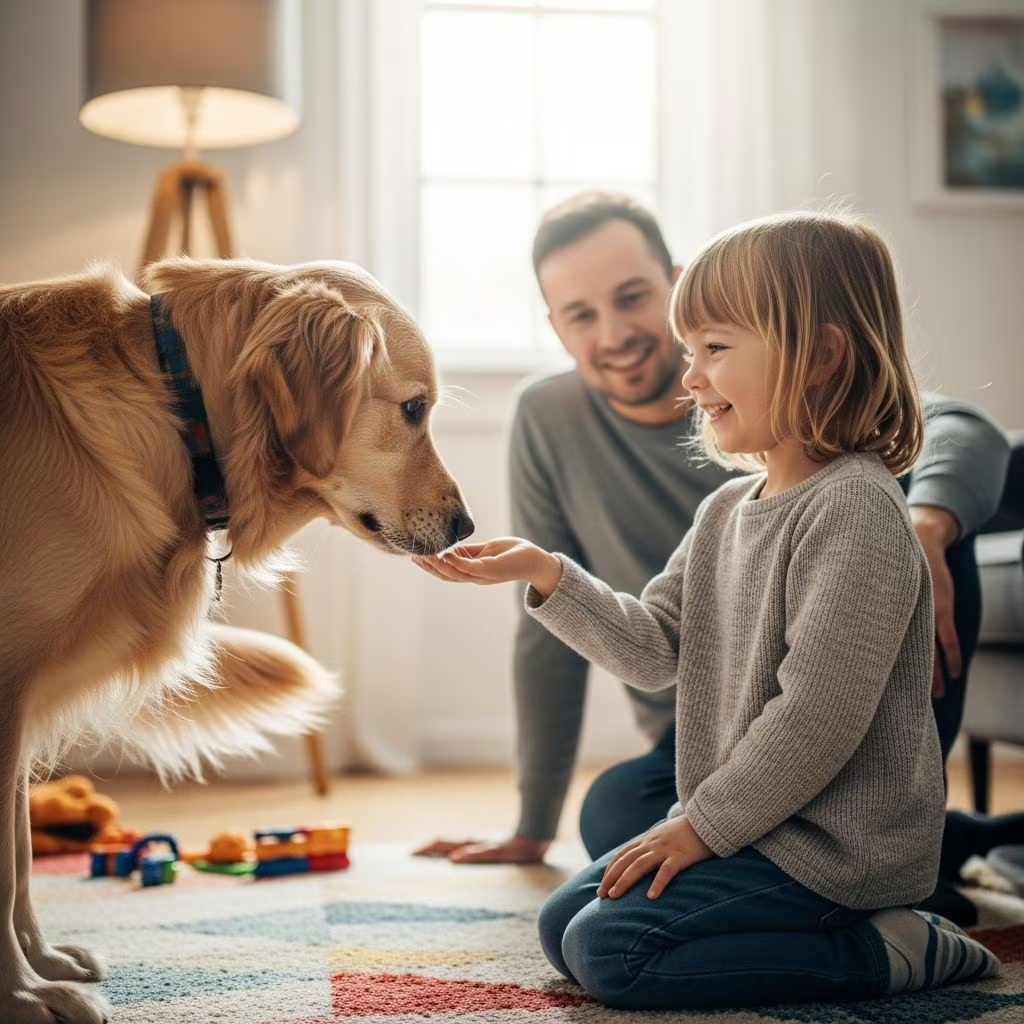
Dogs make incredible playmates, loyal companions, and sources of joy for children, fostering countless memorable moments. Bringing a new dog into a home with kids requires careful planning to build trust and mutual respect, ensuring both feel safe and enjoy each other’s company. Veterinarian Dr. Susannah Teran and certified dog trainer Valerie Peck emphasize that parents must lead by example, prioritizing safety and positive interactions from day one.
Parents, it all starts with you
As the adult in charge, you set the foundation for successful dog-child relationships. Dr. Teran advises training yourself first: “Adults are ultimately responsible for keeping everyone safe and creating a positive environment.” Only then involve children old enough to follow rules, followed by dog training. This sequence minimizes risks and promotes harmony.
Model calm behavior, enforce boundaries, and intervene promptly if tensions arise. Your consistent leadership teaches kids responsibility while reassuring the dog. Assess your dog’s temperament beforehand—well-socialized dogs with basic obedience like sit, stay, and leave it adapt better. If adopting, inquire about prior kid exposure from shelters or breeders.
Make sure your dog has a safe space
Before your dog arrives, designate an off-limits retreat like a crated area or quiet corner with a comfy bed. Inform children this zone is sacred—no entry for humans, including parents. This sanctuary allows the dog to decompress amid household excitement.
Dogs, like people, need personal space to recharge. Stress from constant attention can lead to overwhelmed behaviors. Enforce rules firmly: if kids approach, redirect them gently. Over time, this builds the dog’s confidence to engage voluntarily, strengthening bonds.
Take it slow
Children’s excitement often contrasts with a new dog’s anxiety. Leash the dog and introduce in one neutral room, allowing slow exploration. Kids must wait for the dog to approach—no rushing. For infants, let the dog sniff baby items to acclimate scents.
Maintain a calm atmosphere; pause if energy escalates. Learn dog body language: relaxed ears and wagging tail signal comfort, while tucked tail or lip licking indicates stress. Trainer Peck stresses: “Understanding reactions helps manage introductions effectively”. Gradual exposure prevents overwhelm, mirroring steps like short supervised meets building to longer play.
Teach kids how to pet politely
Proper petting prevents discomfort. Instruct children to skip the head—instead, stroke sides or back gently. Petting is a privilege; let the dog initiate or return for more.
Implement the two-second rule: pet briefly, pause, and observe. If the dog leans in, continue; if it walks away, respect the signal. Not all dogs love touch—offer alternatives like tossing toys, dispensing treats, or placing food bowls to engage positively.
- Avoid head pats: Many dogs find them intrusive.
- Use calm voices and slow movements.
- Watch for consent: Yawning or turning away means stop.
- Practice with stuffed animals first for muscle memory.
These habits foster respect, reducing mishaps. For puppies, early socialization amplifies success.
Train essential commands
Equip your dog with basics like “drop it” and “leave it” before kid interactions. If the dog grabs a toy or clothing, use treats from room jars for immediate positive reinforcement. Commands provide control, boosting safety during play.
Practice daily: short sessions with high-value rewards build reliability. Involve kids in treat-giving under supervision, turning training into bonding.
Always, always supervise
Supervision is non-negotiable, especially with babies or toddlers. Dr. Teran warns: “Never leave infants or young children alone with dogs, regardless of temperament.” Young kids can’t always follow rules, so parents must watch actively.
Monitor body language: playful jumps might unintentionally knock over a child. Even gentle dogs need oversight as they settle in. Long-term, this prevents accidents and models vigilance.
Building the bond: Ongoing tips
Beyond introductions, nurture the relationship through shared activities. Family walks, fetch games, or kid-led training sessions promote unity. Involve children in feeding or grooming to instill responsibility.
Positive reinforcement works wonders: Praise calm interactions. Address issues early—fearful dogs may need professional help. Patience yields loyal friendships, enhancing kids’ empathy and emotional intelligence.
Frequently Asked Questions (FAQs)
What if my dog seems scared during the first meeting?
Separate calmly and retry later in shorter sessions. Consult a trainer if fear persists; gradual desensitization with baby scents helps.
Can older kids supervise younger ones with the dog?
No—adult oversight is essential. Older kids can assist but never replace parents.
How long until unsupervised play is safe?
Indefinitely for young children; even trusted dogs require monitoring to prevent play mishaps.
What breeds are best with kids?
Temperament trumps breed. Prioritize socialization and training over stereotypes.
How to handle resource guarding?
Teach “leave it” early; never force items away without trades. Professional guidance if severe.
References
- Kinship: How to Introduce Your New Dog to Your Kids — Kinship. 2023. https://www.kinship.com/dog-lifestyle/how-to-introduce-dog-to-kid
- The Top 7 Steps on How to Introduce Dogs to Children — Upstate Canine Academy. 2023. https://www.upstatecanine.com/blog/the-top-7-steps-on-how-to-introduce-dogs-to-children/
- Disappearing Kinship: How Growing Up Teaches Children to See Animals as ‘Other’ — The Empathy Project. 2023. https://www.theempathyproject.co.uk/magazine/disappearing-kinship-how-growing-up-teaches-children-to-see-animals-as-other
- A Tweet About a Kid Approaching a Dog in Public Went Viral — Kinship. 2023-11-29. https://www.kinship.com/dog-behavior/kids-approaching-dogs-viral-tweet



