

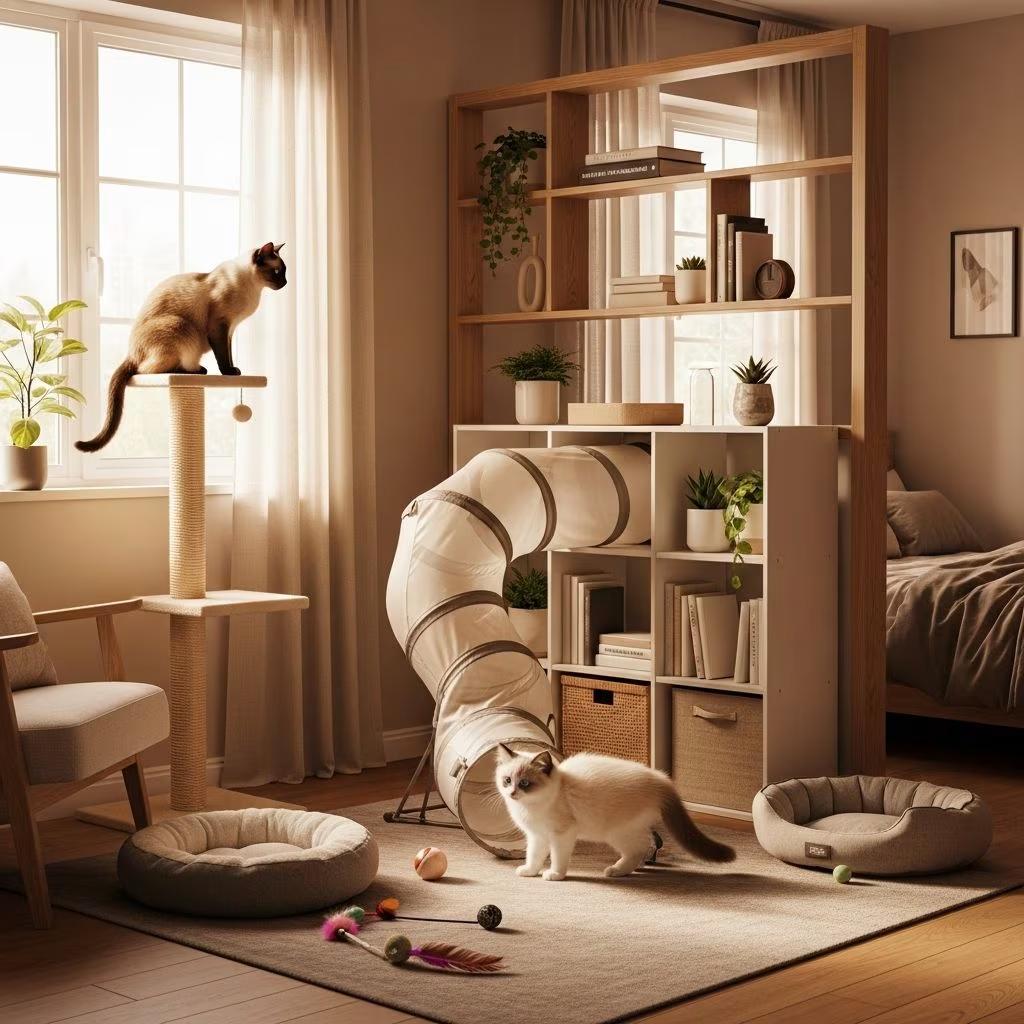
Living in a compact studio apartment presents unique challenges for pet owners, especially when introducing a second cat. Unlike larger homes with multiple rooms for separation, a studio’s single open space means the resident cat’s territory is immediately invaded by the newcomer. This can spark territorial disputes, stress, and aggression if not managed carefully. However, with thoughtful planning and patience, you can foster a harmonious multi-cat household even in under 500 square feet. This guide outlines five essential tips drawn from veterinary and behavioral experts to ensure a smooth introduction process.
The key to success lies in preparation, positive reinforcement, and respecting each cat’s need for personal space. Cats are inherently territorial animals, and sudden changes disrupt their sense of security. By mimicking natural acclimation processes—scent swapping, supervised meetings, and resource duplication—you minimize conflicts and build positive associations. Expect the full adjustment to take anywhere from a few days to several weeks, depending on the cats’ ages, personalities, and past experiences. Patience is crucial; rushing can prolong tension or lead to lasting animosity.
How to Introduce Your Cats to Each Other in a Small Studio Apartment
Studio apartments lack the luxury of isolation rooms, so adaptations are necessary. Focus on creating micro-territories within the shared space, blocking escape routes temporarily, and supervising every interaction. Below are the five proven strategies to navigate this process effectively.
1. Screen Your New Cat
Before bringing a new cat home, thoroughly evaluate its temperament at the shelter or breeder. Observe how it interacts with other cats—does it approach playfully or hiss aggressively? Opt for a cat with a similar personality to your resident feline to increase compatibility odds. Experts recommend choosing the same gender, especially if both are young and spayed/neutered, as this reduces dominance struggles.
Age matching is equally important. Two adult cats or two kittens adjust faster than an adult and a kitten, where energy mismatches can cause frustration. For instance, a playful kitten might overwhelm a sedate senior cat, leading to swats or hiding. Health screening is non-negotiable: ensure the new cat is vetted, vaccinated, and free of parasites or illnesses like FIV/FeLV, which could spread in close quarters. Spend time fostering if possible to test dynamics, or ask for video introductions from the adoption center.
In small spaces, mismatched cats amplify stress. A bold, outgoing stray paired with a shy lap cat spells trouble. Prioritize laid-back or socialized rescues over feral adults. This upfront screening prevents rehoming heartaches and sets a strong foundation.
2. Start With a Cat-Centric Environment
In a studio, total separation isn’t feasible, so reconfigure your space to neutralize hiding spots that encourage ambushes. Use baby gates, furniture rearrangement, or temporary barriers to block under-bed, couch, or closet crevices where the new cat might retreat and feel cornered. This forces gradual exposure while allowing supervised exploration.
Release the newcomer into a low-traffic zone, ideally near the litter box, when your resident cat is absent (e.g., crated briefly or in a carrier). Scatter toys, balls, and tunnels to distract and engage the newbie as it sniffs boundaries. Your presence is vital—interrupt stares, tail twitches, or arched backs with calm interventions like treats or toys. Positive play sessions of 20-30 minutes build tolerance; separate if hissing escalates.
This method, popularized in studio cat introductions, accelerates bonding by preventing ‘us vs. them’ dynamics. Within hours, mutual curiosity often replaces fear, paving the way for cohabitation.
3. Set Up the New Cat’s Home Base
Even in one room, designate an opposite-corner ‘safe zone’ for the newcomer with its own bed, food/water bowls, litter box, and scratching post. Elevate this area on a chair or shelf to create vertical separation, reducing perceived threats. Verticality exploits cats’ love for heights, diffusing ground-level tensions.
Duplicate resources everywhere: multiple litter boxes (one per cat plus one extra), feeders, and water stations prevent competition. Place them at least three feet apart to avoid territorial guarding. A cozy cave bed or enclosed carrier offers retreat without full isolation. Supervise roam time, using pheromone diffusers like Feliway to soothe nerves.
If aggression flares, relocate the resident cat to the bathroom for a 10-15 minute timeout, allowing the newbie to explore uninterrupted. Rotate roles to maintain equity. This balanced approach ensures neither feels displaced, fostering security in tight confines.
4. Use Scent Swapping and Visual Barriers
Though not explicitly numbered in the original, this bridges tips 3 and 5 for completeness. Before physical meetings, swap bedding or rub socks on each cat’s cheeks for pheromone exchange. Place these items near food bowls to link the ‘other’ scent with positives. Use sheer curtains or mesh screens over gates for sight/smell intro without contact.
In studios, baby gates with visual blockers work wonders, letting cats acclimate at their pace. Reward calm behavior with treats or play. This preps for direct encounters, slashing fight risks by 70% per behaviorists.
5. Introduce the Cats Slowly
Forced proximity backfires—let cats dictate the pace. Short, supervised sessions (5-10 minutes initially) allow sniffing under doors or carriers before free roam. If they ignore or groom each other, extend time; separate at first swat. Use toys to redirect energy into play, not conflict.
Monitor body language: relaxed ears/tail mean progress; dilated pupils or flattened ears signal retreat. Overnight, crate one cat or use a large covered carrier. Gradually increase unsupervised time over days. Most pairs bond within a week, playing and sharing beds. Persistence pays; slow intros yield lifelong friends.
Common Challenges and Solutions in Studio Multi-Cat Living
Beyond introductions, sustain peace with these adaptations:
- Litter Box Strategy: Position boxes in quiet corners, high-traffic away. Scoop daily; use covered boxes for privacy.
- Vertical Space: Install wall shelves, perches, and hammocks. Cats claim heights, freeing floors.
- Scratching and Toys: Wall-mounted posts and rotating toys combat boredom/enrichment.
- Window Access: Secure perches for bird-watching stimulation without escape risks.
- Cleaning Routine: Vacuum fur daily; enzymatic cleaners erase scents.
| Challenge | Solution | Benefit |
|---|---|---|
| Territorial Fights | Slow intros + duplicates | Reduces stress 50-70% |
| Limited Space | Vertical furniture | Doubles usable area |
| Boredom | Interactive toys | Prevents destructiveness |
| Litter Issues | Multiple boxes | Eliminates avoidance |
Frequently Asked Questions (FAQs)
What if my cats fight after introduction?
Separate immediately, revert to scent swapping, and consult a vet for aggression checks. Use Feliway; most resolve with time.
Can kittens be introduced faster?
Yes, playful energy aids quicker bonds, but supervise to prevent overwhelm.
How many litter boxes for two cats in a studio?
Three: one per cat plus one extra, spaced out.
What if one cat bullies the other?
Enforce timeouts, feed separately, and reward peace. Rehome only as last resort.
Is a studio too small for two cats?
No, with enrichment and management, cats thrive in 400-600 sq ft.
Introducing cats in a studio demands creativity, but rewards a joyful, enriched home. By screening wisely, zoning spaces, and pacing meetings, your felines will soon chase toys together, proving size doesn’t limit love.
References
- How to Have a Cat in a Small Apartment: 8 Expert Tips & Tricks — Catster. 2023. https://www.catster.com/lifestyle/how-to-have-a-cat-in-a-small-apartment/
- How to Introduce Cats in a Small Studio Apartment (5 Great Tips) — Catster. 2023. https://www.catster.com/cat-health-care/how-to-introduce-cats-in-small-studio-apartment/
- How to Introduce a Cat to a New Home: 6 Tips & Tricks — Catster. 2023. https://www.catster.com/cat-health-care/how-to-introduce-cat-to-new-home-tips-and-tricks/
- Introduce Cats & Kittens WITHOUT Separation/Isolation — YouTube (Monsieur TN). 2020-12-07. https://www.youtube.com/watch?v=8zjSE8bEdfw
- How to Introduce Cats to Each Other — Best Friends Animal Society. 2023. https://bestfriends.org/pet-care-resources/how-introduce-cats-each-other
- The Do’s and Don’ts of Introducing Cats — Jackson Galaxy. 2023. https://www.jacksongalaxy.com/blogs/news/the-dos-and-donts-of-introducing-cats



