

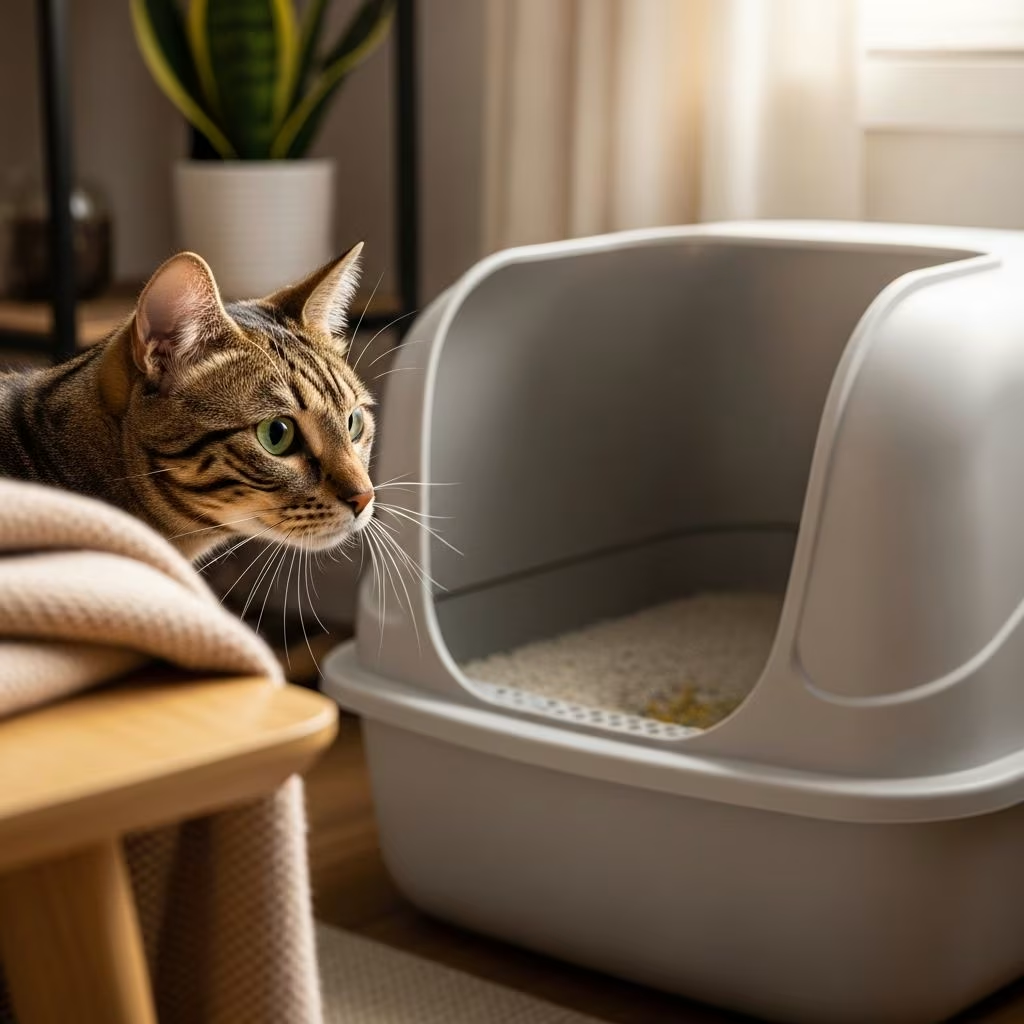
Switching your cat to a new litter box can be challenging due to their sensitivity to change, but following vet-approved strategies ensures a smooth transition and prevents accidents. This guide provides detailed steps to help your feline adapt quickly while maintaining their comfort and hygiene habits.
Why You Might Need a New Litter Box
Cats may require a new litter box for various reasons, such as outgrowing the current one, mobility issues in older cats, or preferences for open versus enclosed designs. Kittens grow rapidly, necessitating larger boxes, while senior cats benefit from low-entry models to ease access. Health conditions like arthritis can make high-sided boxes difficult, prompting a switch to accommodate their needs.
Environmental changes, like moving homes, also necessitate new setups. Cats associate litter boxes strongly with routine, so abrupt changes can lead to aversion, stress, or elimination outside the box. Understanding these triggers helps tailor the introduction process effectively.
How to Introduce a Cat to a New Litter Box
Successful introduction relies on gradual changes, consistency, and positive reinforcement. Here are the seven key vet-approved tips to guide your cat seamlessly.
1. Choose the Right Location
The **location** of the litter box is crucial for reducing anxiety. Place the new box in the **exact same spot** as the old one if possible, maintaining the same orientation to minimize disorientation. Cats thrive on familiarity, and relocation can heighten stress, leading to avoidance.
In a new home, select a **quiet, low-traffic area** like a bathroom or laundry room corner, away from food, water, and noisy appliances. Ensure privacy but easy access, avoiding high-traffic zones that might intimidate shy cats. Multiple boxes in multi-cat homes—one per cat plus one extra—prevent competition and territorial issues.
- Keep away from food and water bowls: Cats instinctively separate eating and eliminating areas.
- Avoid loud areas: Washing machines or vacuums can scare cats from using the box.
- Accessibility: Low-traffic but not isolated; cats need to feel safe yet reachable.
2. Stick to the Same Litter
Consistency in **litter type** prevents confusion. Use the **same litter** your cat is accustomed to, filling it to the previous depth—typically 2-3 inches for clumping varieties. Sudden switches to scented, coarse, or non-clumping litters can cause rejection due to texture or odor changes.
If changing litter is necessary (e.g., for health reasons), transition gradually by mixing old and new over 1-2 weeks. Most cats prefer **unscented, fine-particle clumping litter** for its softness and odor control. Kittens and picky cats may need trial and error, but starting familiar eases adaptation.
| Litter Type | Pros | Cons | Best For |
|---|---|---|---|
| Clumping (Clay) | Easy scooping, odor control | Dusty, heavier | Adult cats |
| Non-Clumping | Cheaper, less dusty | Harder to clean | Kittens |
| Crystal/Silica | Superior odor absorption | Expensive, sharp feel | Multi-cat homes |
| Recycled Paper | Soft, lightweight | Poor clumping | Sensitive paws |
3. Pick a Suitable Box
Cats have unique **preferences** for box style. Some favor **open trays** for easy entry and escape, ideal for kittens or bold cats. Shy or odor-sensitive felines may prefer **enclosed hoods** for privacy, while others dislike full coverage.
**Size matters**: The box should be 1.5 times the cat’s length for comfortable turning. Older cats need **low-sided or ramped entries** to avoid straining. Observe your cat’s habits—one might rest front paws outside, requiring a hooded box with an open top edge. Test options during transition for best fit.
- Open box: Best for training kittens, easy access.
- Hooded: Privacy, contains mess.
- Top-entry: Discourages tracking, suits agile cats.
- Senior-friendly: Shallow sides, no hood.
4. Transition Gradually
(Note: Original skips to 5, but logically inserting based on context) For major changes like hooded boxes, **place the new box next to the old** initially. Allow dual use until the cat shifts naturally, then remove the old one. This phased approach builds confidence without pressure.
Monitor usage; if reluctance persists, keep both for up to two weeks. Positive associations via treats near the new box reinforce acceptance.
5. Keep the Box Spick & Span
**Cleanliness** is non-negotiable—cats shun dirty boxes, leading to accidents. Perform **daily scooping** to remove clumps and waste, topping off litter as needed. Full changes every 1-7 days depend on litter type and cat count; never exceed a week.
Use **pet-safe cleaners** like mild soap or enzymatic sprays for deep cleans, avoiding harsh chemicals that linger in scent-sensitive noses. Frequency prevents bacterial buildup and urinary issues.
- Scoop 1-2 times daily.
- Weekly deep clean and litter refresh.
- One box per cat +1 in multi-cat setups.
6. Guide Your Cat
Some cats need **hands-on help**. For novel designs like hooded boxes, carry your cat to it with the door open, letting them explore. Gently scratch litter with their paw to mimic digging. Offer praise and treats post-use.
After meals or naps—prime potty times—escort them. For enclosed types, demonstrate door operation slowly while they’re inside. Patience prevents fear; most adapt in days.
7. Monitor and Troubleshoot
Watch for signs of distress: avoidance, straining, or accidents indicate issues like box size, cleanliness, or medical problems. Consult a vet if persists beyond two weeks, ruling out UTIs or stress.
Use **pheromone diffusers** (Feliway) for anxious cats. Reward success lavishly to build positive habits.
FAQ
How Long Does It Take for a Cat to Adjust to a New Litter Box?
Adjustment varies: some cats use it immediately, others take days to weeks. Patience and consistency speed it up; monitor for stress.
What If My Cat Refuses the New Box?
Revert temporarily, ensure cleanliness/location/litter match old. Check health; gradual dual-box method helps.
Can I Change Litter Type During Introduction?
Mix gradually if needed, but stick to same initially to avoid aversion. Prefer unscented clumping.
Is a Hooded Box Better?
Depends on cat—some love privacy, others feel trapped. Start open if unsure.
How Many Boxes for Multiple Cats?
One per cat plus one extra, spread out to reduce conflict.
Additional Tips for Success
Beyond basics, separate litter from food/water. Playtime reduces stress. For kittens, start training day one with gentle guidance. Multi-cat intros need extra boxes to prevent bullying.
Cats’ fastidious nature means hygiene prevents aversions. If issues arise, vet checks rule out medical causes before behavioral tweaks.
References
- How to Introduce a Cat to a New Litter Box (7 Vet-Approved Tips) — Catster. 2023. https://www.catster.com/cat-health-care/how-to-introduce-cat-to-new-litter-box/
- How Do Cats Know to Use the Litter Box? Vet-Verified Tips — Catster. 2023. https://www.catster.com/cat-behavior/how-do-cats-know-to-use-the-litter-box/
- How to Train Your Kitten to Use the Litter Box: 7 Vet-Approved Tips — Catster. 2023. https://www.catster.com/cat-behavior/how-to-train-your-kitten-to-use-the-litter-box/
- How to Introduce Your Cat to a New Cat: 8 Vet-Verified Steps — Catster. 2023. https://www.catster.com/lifestyle/how-to-introduce-cat-to-new-cat/
- Cat Litter: Why It Pays to Get It Right — Catster Felines Weekly. 2023. https://www.catster.com/felines-weekly/cat-litter-why-it-pays-to-get-it-right/



