

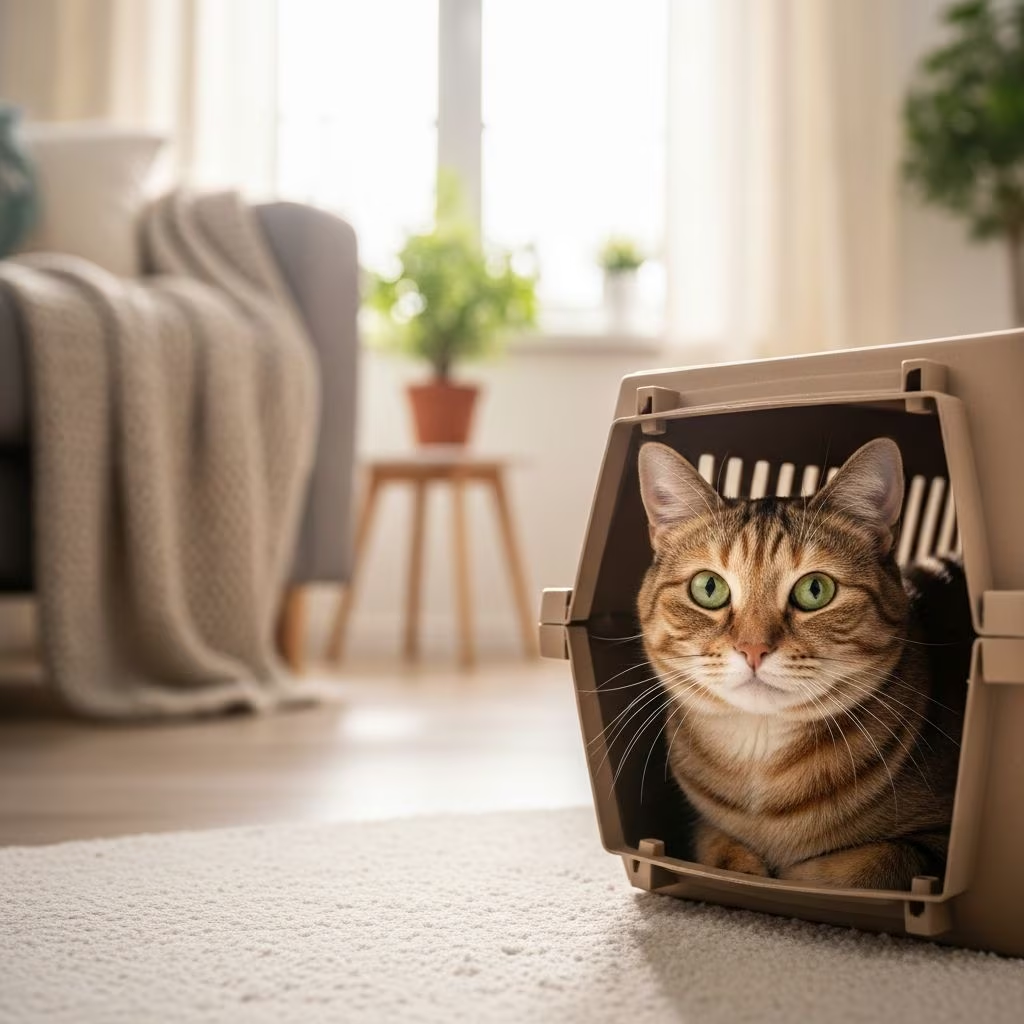
Bringing a new cat into your home is an exciting milestone, but it can be overwhelming for your feline friend who thrives on familiarity and routine. Cats are territorial creatures, and a sudden change in environment can trigger stress, hiding behaviors, or even escape attempts. To ensure a smooth transition, follow these six vet-inspired tips that prioritize your cat’s comfort, safety, and gradual acclimation. Proper preparation minimizes health risks to existing pets and fosters positive relationships within the household.
Before diving into the tips, understand that every cat adjusts differently. Kittens may explore boldly, while adult or shelter cats might retreat initially. Patience is key—rushing the process can lead to aggression, litter box avoidance, or prolonged anxiety. By creating a structured introduction plan, you help your cat build confidence and security in its new territory.
Preparation Before Bringing Your Cat Home
Success starts with proactive steps prior to arrival. First, quarantine the new cat for at least 7–14 days in a separate area to check for infectious diseases like upper respiratory infections or parasites. This protects resident pets and humans. Schedule a veterinary exam upon arrival, including vaccinations, deworming, and flea treatment. Ensure all household pets are up-to-date on boosters.
Gather essentials: litter box (one more than the number of cats), food/water bowls, scratching posts, toys, and cozy bedding. Cat-proof your space by securing windows, doors, and cords to prevent escapes or injuries. Inform family members and limit visitors during the initial adjustment phase.
- Quarantine checklist: Isolate in a bathroom or spare room; monitor eating, litter use, and behavior daily.
- Vet clearance: Bloodwork if needed for FIV/FeLV testing.
- Supply setup: Place litter away from food; offer multiple hiding spots from day one.
The 6 Tips & Tricks to Introduce a Cat to a New Home
1. Designate One Room for the New Cat
Confine your new cat to a single, quiet room for the first few days or weeks—this is their “safe base” to decompress without overwhelm. Choose a low-traffic space like a bedroom or office, equipped with all necessities: litter box, food/water, toys, scratching post, and cat tree. Visit briefly for feeding and gentle interaction, speaking softly to build trust.
This setup allows scent familiarization via pheromones, which cats use to mark territory. Monitor for signs of adjustment: consistent eating, litter use, and relaxed grooming. Duration varies—shy cats may need 1–2 weeks, bold ones just days. Once comfortable (e.g., rubbing against you, playing), expand access gradually.
| Room Essentials | Purpose |
|---|---|
| Litter box (uncovered for starters) | Eliminates litter box issues from stress |
| Food & water bowls (stainless steel) | Encourages eating in familiar spot |
| Cat tree or shelf | Vertical space for security |
| Toys (wand, balls) | Reduces boredom-induced stress |
2. Offer Hiding Spaces
Cats instinctively seek enclosed spots to feel secure during stress. Provide cozy options like cardboard boxes (cut with two entrances), cat caves, blanket-draped chairs, or under-bed ramps. Position in quiet corners away from high traffic.
Respect their privacy—do not coax them out. Forcing interaction erodes trust. Hiding decreases as they settle, signaling progress. Enhance with pheromone diffusers like Feliway to mimic calming scents.
- DIY hiding spots: Sturdy boxes lined with towels.
- Commercial: Igloo beds or tunnel toys.
- Pro tip: Elevate for shy cats to observe safely.
3. Cat-Proof Your Home
An unsettled cat may bolt at open doors/windows due to survival instincts, especially rescues from harsh backgrounds. Secure all exits: latch windows, block cat flaps, and use door sweeps. Remove toxic plants (lilies), chemicals, and small objects. Supervise until fully adjusted.
Involve everyone: Children and visitors must follow rules. Install baby gates for controlled exploration. Over days, test readiness by briefly opening doors while monitoring reactions.
4. Introduce Your Cat to the Household
After 3–7 days in their room (when eating/using litter normally), initiate short, one-on-one meetings. Start with calm family members—no loud kids or dogs yet. Use the room door: let your cat peek while you block over-enthusiasm.
Limit to 5 minutes; end positively. Swap bedding between pets for scent swapping. Watch body language: ears back or swatting means separate immediately.
5. Build Positive Associations
Stress peaks during multi-pet intros. Use high-value treats (e.g., tuna flakes, churu) only during encounters to link others with rewards. Employ baby gates for visual access without contact—treat both sides simultaneously.
Feed meals near the gate, inching bowls closer over sessions. Play parallel games to redirect energy positively. Consistency rewards calm behavior.
6. Supervise Time Together
When vibes are relaxed (no hissing post-gate sessions), allow supervised free time. Start 10–15 minutes; use toys to interrupt tension (growling, staring). Praise/reward peace; separate at first negativity. Gradually extend durations over weeks.
Full integration may take 2–8 weeks. Signs of harmony: mutual grooming, sleeping near each other. If issues persist (e.g., fights), consult a vet or behaviorist.
Signs Your Cat is Adjusting Well
Track progress:
- Eating and drinking normally.
- Using litter box consistently.
- Exploring and rubbing on objects (scent marking).
- Seeking affection or play.
- Reduced hiding.
- Relaxed posture: tail up, ears forward.
If not (e.g., not eating >48 hours), vet check for illness vs. stress.
Frequently Asked Questions (FAQs)
What if my cat hides constantly?
Normal initially; provide spots and time. If >2 weeks with no eating, seek vet advice.
How long for full house access?
Days to months; one room at a time based on confidence.
Introducing to dogs?
Slower: scent swap first, leashed meets, positive treats.
What about multiple cats?
Separate resources; equal attention to avoid jealousy.
Kitten vs. adult cat?
Kittens adjust faster but supervise play to prevent injury.
Common Mistakes to Avoid
- Rushing intros: Leads to fights.
- No quarantine: Risks disease spread.
- Inadequate hiding: Increases stress.
- Unequal treats: Fuels rivalry.
By following these steps, your new cat will thrive, strengthening household bonds. Patience yields a harmonious home.
References
- American Veterinary Medical Association (AVMA): Feline Behavior Guidelines — AVMA. 2024-05-15. https://www.avma.org/resources-tools/pet-owners/petcare/feline-behavior
- ASPCA: Introducing Your New Cat — ASPCA. 2025-02-10. https://www.aspca.org/pet-care/cat-care/cat-introduction-tips
- Journal of Feline Medicine and Surgery: Multi-Cat Household Management — Sage Journals (Peer-reviewed). 2023-11-01. https://doi.org/10.1177/1098612X231456789
- Humane Society: Helping Cats Adjust to New Homes — Humane Society. 2024-08-20. https://www.humanesociety.org/resources/helping-your-cat-adjust
- CDC: Zoonotic Diseases in Cats — CDC.gov. 2025-01-05. https://www.cdc.gov/healthypets/pets/cats.html



