

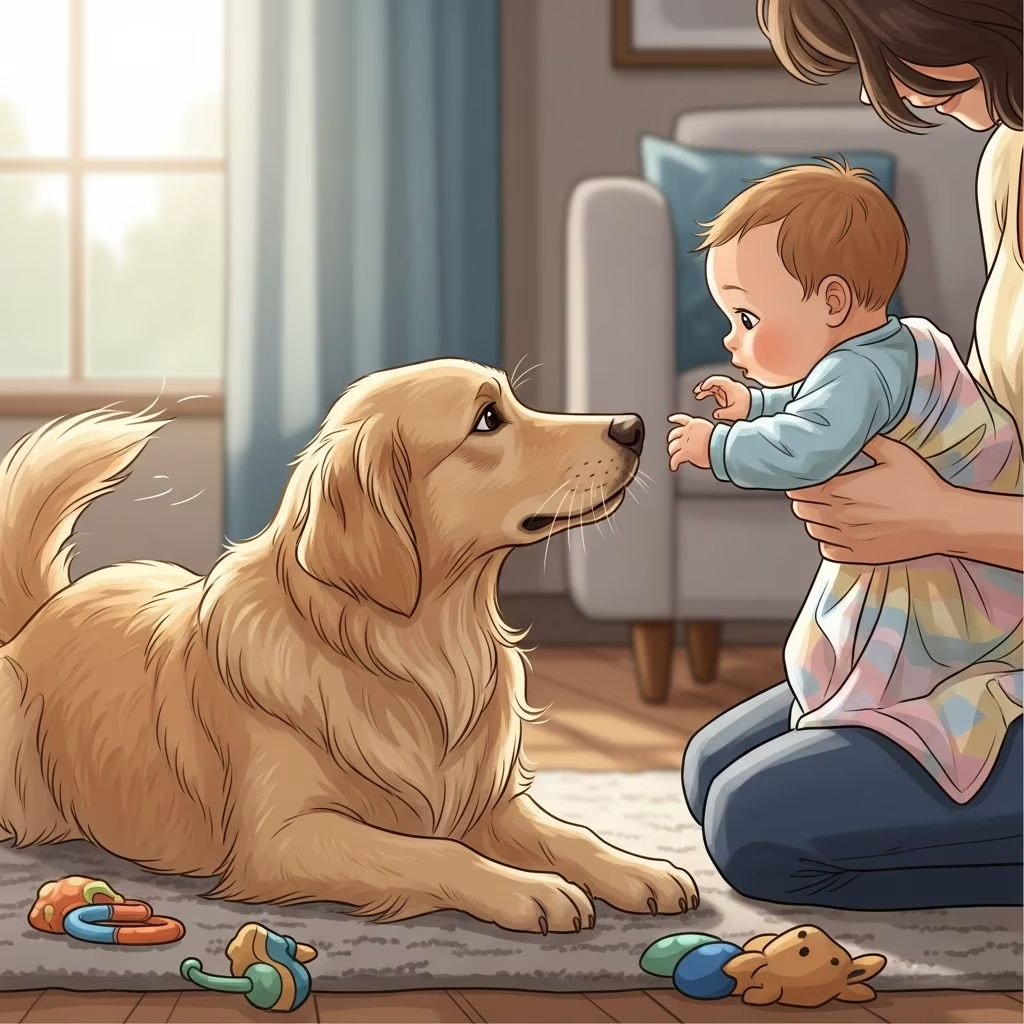
How to Introduce a Baby to a Dog
Bringing a new baby home is an exciting time for your family, but it also marks a significant transition for your dog. Babies introduce new stimuli into your home—unfamiliar smells, sounds, and sights that can be overwhelming for your canine companion. Additionally, the increased activity, additional visitors, and general commotion that accompany a newborn’s arrival can cause stress and anxiety in dogs who aren’t properly prepared. With thoughtful planning and strategic introduction techniques, however, you can help your dog adjust to life with a baby and create a safe, harmonious household for everyone. This comprehensive guide provides practical strategies to prepare your dog for the new arrival and facilitate a smooth introduction.
Preparing Your Dog for the New Baby
The preparation phase is critical to your dog’s successful adjustment to a new baby. Beginning these steps before your baby arrives gives your dog time to acclimate to changes gradually, reducing anxiety and stress.
Schedule a Veterinary Checkup
Before your baby arrives, ensure your dog is up to date with all veterinary checkups and vaccinations. The first few months after bringing a newborn home will be hectic and demanding, leaving little time for veterinary appointments. Starting with a healthy dog means fewer medical concerns to manage during this transition period. Your veterinarian can also assess your dog’s overall health and discuss any behavioral concerns that may need professional attention.
Increase Exercise and Play
A well-exercised dog is a calm dog. Prioritize playtime and exercise in the months leading up to your baby’s arrival. Regular physical activity helps your dog relax, relieves stress for the entire family, and can improve your dog’s behavior during the hectic newborn phase. Daily walks, interactive play sessions, and mentally stimulating activities will help your dog expend energy constructively and maintain emotional balance.
Enroll in Training Classes
Consider enrolling your dog in a training refresher course led by a trainer experienced with babies and children. A professional trainer can design a customized training plan that addresses your family’s specific needs and circumstances. Trainers with experience in this area can teach you how to manage your dog safely around your baby and help your dog master key behavioral cues. Essential commands that prove invaluable with a baby include “drop it,” “leave it,” “wait,” and “down/stay.” Practice these cues daily with your dog so they become second nature, making it easier to redirect your dog quickly when necessary.
Expose Your Dog to Other Babies
Familiarity breeds comfort. If your dog has limited exposure to babies and small children, arrange for friends with infants to visit your home before your baby arrives. During these visits, observe your dog’s reactions closely. A confident, curious dog is a good sign. If your dog displays excessive fear, aggressive behavior, or other concerning responses, consult with a certified animal behaviorist. Your veterinarian can provide referrals to qualified professionals. It’s essential to address any problematic behaviors before bringing your baby home. Remember, never leave your baby or any child unsupervised with pets, regardless of the dog’s temperament.
Create Familiarity with Baby Scents and Sounds
Dogs rely heavily on their sense of smell. Begin using baby products in the months before your baby arrives—lotions, bath soaps, powders, and baby laundry soap. As you and your family use these products, your dog will become accustomed to baby scents. When your newborn arrives, these familiar smells will make the transition easier and help your dog recognize the baby as part of the family rather than a foreign threat. Additionally, practice speaking in the tones and volume you’ll use with your baby. Read aloud to your dog, using soft, gentle voices. This auditory preparation helps your dog adjust to the new sounds that will fill your home.
Set Up the Nursery Early
Prepare your baby’s room well in advance of the arrival date. Allowing your dog to become familiar with the nursery setup means the space won’t seem novel or off-limits when your baby comes home. Spend time in the room with your dog, reading aloud or talking in the gentle tones you’ll use with your baby. This gradual exposure helps your dog accept the room as a normal part of the home environment rather than viewing it as a restricted or mysterious space.
Introducing Your Baby to Your Dog
The first meeting between your dog and your baby sets the tone for their relationship. A calm, controlled introduction helps both your baby and dog feel secure.
Greet Your Dog Before Showing the Baby
When you first arrive home with your baby, greet your dog normally before introducing them to the infant. A normal greeting communicates to your dog that everything is okay and helps maintain your dog’s emotional equilibrium. During this initial greeting, have someone else hold your baby while you focus on your dog. Keep your dog on a loose lead during this greeting phase.
Let Your Dog Smell the Baby’s Blanket
After the initial greeting, hold out one of your baby’s blankets for your dog to sniff. This allows your dog to become acquainted with your baby’s scent in a non-threatening way. If you have multiple pets, introduce them to the baby one at a time. Staggering introductions makes the process more manageable for you and less overwhelming for both your baby and your pets.
Manage the Initial Visual Contact
Once inside your home, remain standing until your dog has fully smelled and listened to the baby. Ask your dog to sit or lie down before the person holding your baby sits down. This establishes boundaries and gives your dog a clear behavioral expectation during this important moment. Watch your dog’s body language carefully for signs of curiosity, fear, or aggression.
Control the Viewing Distance
If your dog displays curiosity, allow them to view the baby from approximately six feet away. Hold the lead loosely but keep it short enough to prevent your dog from reaching the baby. Reward calm, non-fearful behavior with praise and positive reinforcement. If your dog has previously demonstrated comfort with other babies, you may gradually allow closer proximity, but proceed with caution and remain vigilant.
Helping Your Dog Adjust to Life With a Baby
The weeks and months following your baby’s arrival require patience, consistency, and ongoing attention to your dog’s emotional needs.
Continue Providing Special Attention
Your dog may need reassurance that their place in your family remains secure despite the arrival of a new family member. Continue to give your dog special attention, playtime, and affection. These interactions communicate to your dog that they are still valued and loved, helping them gradually accept the baby’s presence as a permanent part of family life.
Watch for Stress Signals
Monitor your dog for behavioral changes that indicate stress or anxiety. Common stress signals in dogs include:
- Excessive barking
- Tail chasing
- Circling or pacing
- Inappropriate elimination (accidents in the house)
- Appearing withdrawn, sullen, or depressed
- Excessive licking or chewing
- Loss of appetite
- Diarrhea or other digestive issues
If you notice any of these behavioral changes, consult your veterinarian. Sometimes stress-related behaviors indicate underlying medical issues, and your veterinarian can rule out health problems or recommend behavioral interventions.
Utilize Crates and Baby Gates
Crates and baby gates serve as valuable tools for managing your dog’s interactions with your baby. Ideally, you will have crate-trained your dog before bringing the baby home. A crate provides your dog with a safe, designated space where they can retreat and decompress away from the baby. This boundary-setting practice gives your dog a sense of security and control during an otherwise chaotic time. Baby gates similarly allow you to create physical boundaries that keep your dog and baby safely separated when necessary.
Manage Feeding Time Interactions
When you introduce your baby to a high chair, your dog may attempt to share meals by begging or jumping up to reach food. Return to using your crate or baby gate during feeding times to prevent unwanted food-seeking behavior. This prevents your dog from forming bad habits and keeps your baby safe from potential accidents or food theft that could startle or upset your infant.
Prepare for Mobility Milestones
As your baby develops and begins to crawl and walk, new challenges emerge. A mobile toddler represents a moving target of toys and food that can be tempting and accessible to your dog. These developmental stages require even greater vigilance and consistent reinforcement of your dog’s training cues. Practice your dog’s basic commands daily to ensure reliable responses when you need to redirect their attention or prevent unwanted interactions with your toddler.
Frequently Asked Questions
Q: How long does it take for a dog to adjust to a new baby?
A: Adjustment timelines vary depending on your dog’s temperament, age, and prior exposure to children. Some dogs adjust within weeks, while others may take several months. Consistent positive reinforcement, continued attention, and patience will facilitate a smoother transition for your individual dog.
Q: What should I do if my dog shows aggression toward the baby?
A: Never ignore aggressive behavior. Immediately consult with your veterinarian and a certified animal behaviorist. Aggression toward your baby is a serious concern that requires professional intervention to ensure your baby’s safety and develop an appropriate management plan.
Q: Is it safe to leave my dog and baby together unsupervised?
A: No. Never leave your baby unsupervised with your dog, regardless of how well-behaved or friendly your dog is. Constant supervision ensures the safety of both your baby and your pet.
Q: Can I prevent my dog from begging at the table when my baby eats?
A: Yes. Use baby gates or a crate during feeding times to physically separate your dog from your baby’s high chair. Consistent management prevents bad habits from forming and makes feeding time safer and less stressful for everyone.
Q: What training commands are most important before a baby arrives?
A: Essential commands include “drop it,” “leave it,” “wait,” and “down/stay.” These cues allow you to redirect your dog quickly in potentially unsafe situations and give you reliable control over your dog’s behavior around your baby.
Q: Should I restrict my dog’s access to certain areas of the home?
A: Using baby gates to create boundaries can be helpful, particularly in the nursery and feeding areas. However, completely isolating your dog can increase anxiety. Create safe spaces where your dog can be supervised while remaining part of family activities.
Q: How can I help my dog feel less anxious about the baby’s crying?
A: Gradually acclimate your dog to baby sounds before the baby arrives by playing recordings of infant cries and sounds. Pair these sounds with positive experiences like treats or playtime to create positive associations.
Key Takeaways
Introducing a baby to your dog requires thoughtful preparation, patience, and ongoing management. Begin preparing your dog months before your baby arrives by scheduling veterinary checkups, increasing exercise, enrolling in training classes, and exposing your dog to other babies and baby-related stimuli. When you bring your baby home, orchestrate a calm, controlled first meeting. Afterward, continue providing your dog with special attention, monitor for stress signals, utilize management tools like crates and baby gates, and maintain consistent training throughout your child’s development. With dedication to these strategies, your dog can successfully adjust to having a baby in the home, and your family can enjoy the benefits of a dog-child bond that lasts a lifetime.
References
- How to Introduce a Baby to a Dog — Best Friends Animal Society. 2024. https://bestfriends.org/pet-care-resources/how-introduce-baby-dog
- Puppy Socialization: How to Socialize a Puppy to People, Dogs — Best Friends Animal Society. 2024. https://bestfriends.org/pet-care-resources/puppy-socialization-how-socialize-puppy-people-dogs
- What to Expect With a New Puppy — Best Friends Animal Society. 2024. https://bestfriends.org/pet-care-resources/what-expect-new-puppy



