

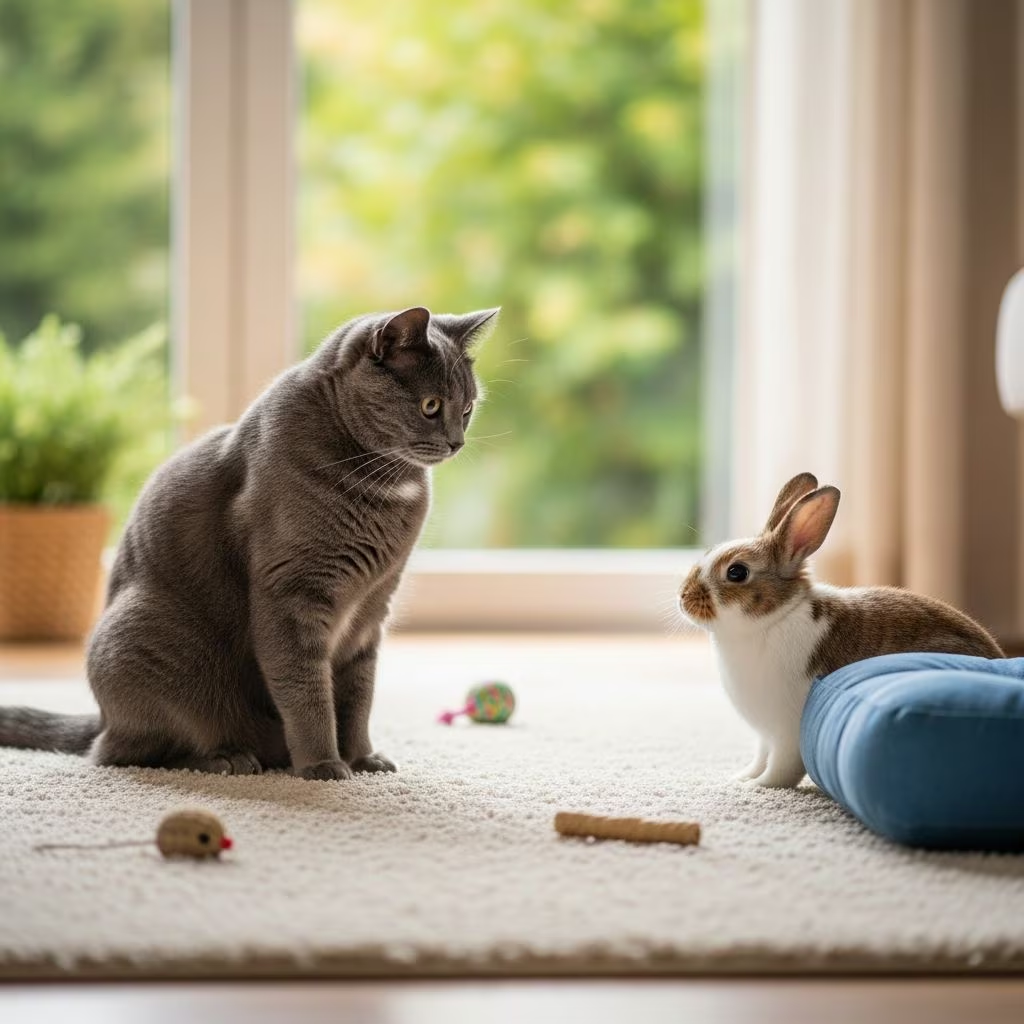
Cats and rabbits can potentially coexist peacefully, but their natural predator-prey instincts make introductions challenging and risky. Success is most likely with a young kitten and a confident, assertive rabbit, requiring slow, supervised steps over weeks or months.
Before the Controlled Introduction
Rabbits are prey animals, while cats are predators by nature, triggering instinctive behaviors like stalking or fleeing upon first sight. This dynamic persists even after months of living together, so predictions are unreliable.
Establish trust with each pet individually first. Your rabbit must be comfortable with handling, new environments, and noises; timid or reactive rabbits stress easily around predators and are poor candidates for introductions.
Choose animals with compatible personalities: kittens have less ingrained hunting drives, and bold rabbits may assert dominance, deterring the cat from viewing them as prey. Avoid introductions if either pet is anxious, unwell, or stressed.
The 5 Steps to Introducing a Kitten to a Rabbit
Follow these vet-reviewed steps gradually, prioritizing safety. Rushing can lead to injury, especially to the rabbit.
1. Start With Scent Exchange
Animals primarily communicate via scent, so begin without visual contact. Rub a cloth on your rabbit’s bedding or fur and offer it to the kitten; do the same with the cat’s scent for the rabbit. Repeat daily until both show neutral or curious reactions rather than fear or aggression.
This indirect method mimics ‘talking behind closed doors,’ allowing familiarity on their terms. Sessions last 5-10 minutes, building positive associations over days.
2. Find a Calm and Secure Space
Select a neutral, quiet room with ample lighting, open space, and low foot traffic to minimize stress. Avoid the rabbit’s territory, where they may act aggressively, or areas frequented by either pet.
Provide hiding spots for the rabbit and ensure the environment promotes calm—introduce post-meal when the cat is relaxed. Positive vibes from you help; stay lighthearted, not tense.
3. Secure One of the Animals in an Enclosure or a Carrier
For initial visual introductions, confine one pet: place the rabbit in a spacious hutch or crate with hiding options, or the kitten in a carrier. Keep distance initially (several feet) to prevent pawing or close lunging.
- Observe body language: Cat stalking, crouching, or fixating signals danger; rabbit thumping, twitching, or hiding indicates fear.
- Let the rabbit exit its enclosure first if confident, while the cat remains crated. Allow rabbit-led approaches.
- Daily sessions: 5-15 minutes, extending if calm. Stop at stress signs and retry later.
A confident rabbit may charge or thump the carrier, establishing dominance and teaching the kitten respect. Trim cat nails beforehand as precaution.
4. Gradual Progression to Closer Interactions
Once barrier sessions succeed (1-2 weeks), shorten distances gradually. Use baby gates or pens for visual access without contact.
Monitor for calm: no chasing, bolting, or intense staring. Reward relaxed behavior with treats or praise—veggies for rabbits, pets for cats. Supervise with a water sprayer for gentle deterrence if needed, avoiding punishment.
5. Supervised Free Interactions and Long-Term Management
Remove barriers only when both are consistently relaxed. Start with short (10-15 min), leashed or closely watched sessions in a safe room.
| Stage | Duration | Key Signs of Success | Actions if Issues Arise |
|---|---|---|---|
| Scent Exchange | Days | Sniffing without hissing/fear | Extend time or pause |
| Visual via Barrier | 1-2 Weeks | Neutral curiosity | Increase distance |
| Free Roam Supervised | Weeks-Months | Mutual grooming/ignore | Separate, restart steps |
Provide permanent safe zones: rabbit-proofed areas, carriers, or separate rooms. Never leave unsupervised initially.
Is One Introduction Enough?
No—single meetings often fail disastrously. Plan for repeated, progressive sessions over months. Some pairs never bond fully; peaceful tolerance is success. Force nothing; permanent separation is safer than risk.
Not all succeed: factors include cat age (kittens best), rabbit confidence, and individual temperaments. Observed successes include mutual grooming, but chase-free coexistence is the goal.
Frequently Asked Questions (FAQs)
Can adult cats safely meet rabbits?
Possible but riskier due to stronger prey drive. Kittens offer best odds; adults may never adapt.
What if my rabbit hides during introductions?
Normal initially. End session calmly, retry later. Ensure hiding spots available.
How long until unsupervised time?
Weeks to months, or never. Always prioritize rabbit safety with barriers.
Signs to stop and separate permanently?
Stalking, lunging, sustained fear, injury attempts. Better safe apart.
Can rabbits chase cats?
Yes, confident rabbits may dominate, flipping dynamics positively.
Additional Tips for Success
- Bond individually first: Handle rabbit daily for trust.
- Use positive reinforcement: Treats for calm.
- Confine new pets initially to one room.
- Monitor health: Stress weakens immunity.
Patience yields harmony in many cases, but assess risks realistically. Consult vets for personalized advice.
References
- How to Introduce a Cat to a Rabbit (5 Vet-Reviewed Tips) — Catster. 2023. https://www.catster.com/cat-health-care/how-to-introduce-a-cat-to-a-rabbit/
- Introducing Cats and Rabbits: A Step-by-Step Guide — Pets4Homes. 2023. https://www.pets4homes.co.uk/pet-advice/introducing-cats-and-rabbits.html
- Introducing your Dog or Cat to a New Rabbit — Breadbox Farm. 2023. https://www.breadboxfarm.com/blog/introducing-your-dog-or-cat-to-a-new-rabbit
- Rabbit Cat Coexistence: Tips for Harmony — Rabbit Hole Hay. 2023. https://www.rabbitholehay.com/blogs/rabbit-hole-hay-blog/can-rabbits-and-cats-coexist
- Bunnies and Other Pets Part 1: Rabbits and Cats Living Together — Bunny Lady. 2023. https://bunnylady.com/rabbits-and-cats-living-together/
- Cats and Rabbits — House Rabbit Society (rabbit.org). 2023. https://rabbit.org/behavior/cats-and-rabbits/



