

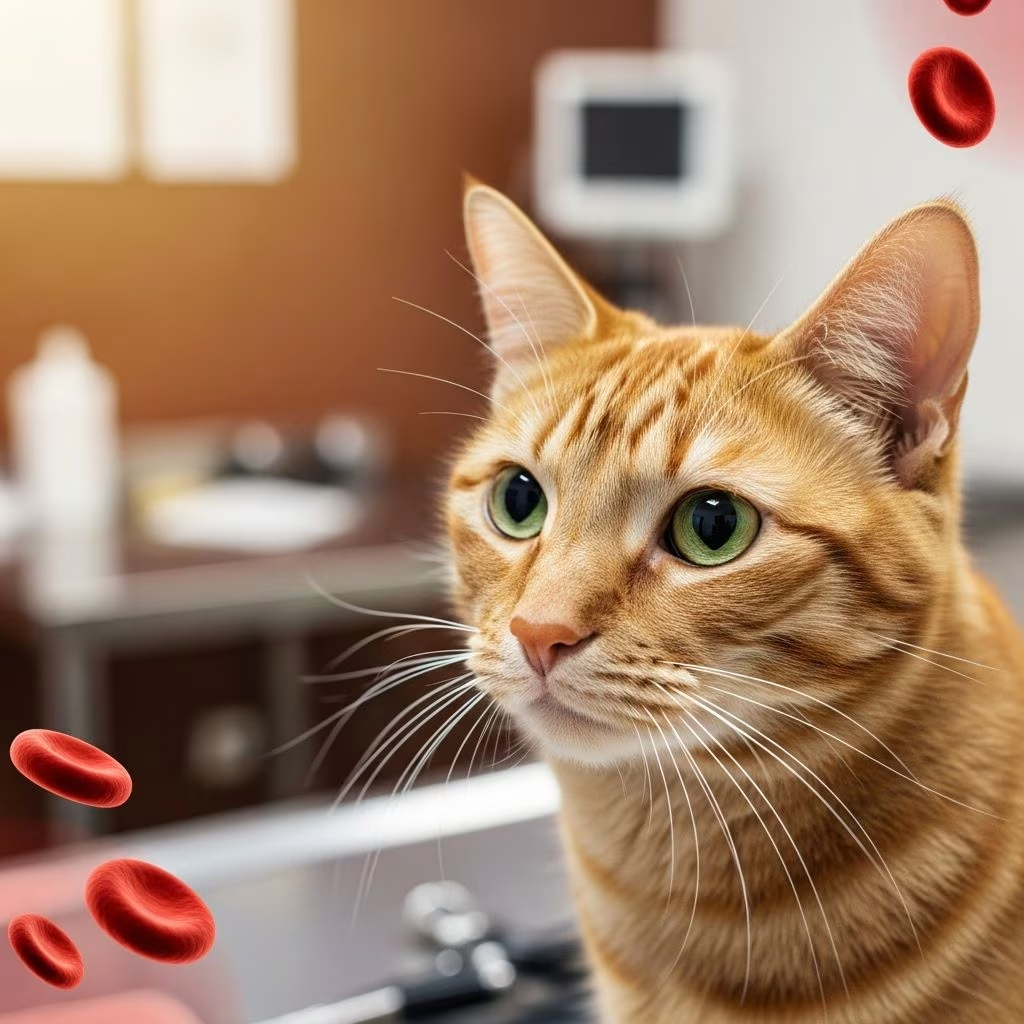
Low red blood cell counts in cats, known as anemia, can significantly impact your feline friend’s health by reducing oxygen delivery to tissues. Understanding the causes, symptoms, diagnostic processes, and treatments is crucial for effective management and recovery. This comprehensive guide, informed by veterinary expertise, explores how to boost red blood cells through diet, medications, transfusions, and preventive measures.
What Are Red Blood Cells and Why Do Cats Need Them?
Red blood cells, or erythrocytes, are essential components of your cat’s blood, responsible for transporting oxygen from the lungs to tissues throughout the body. Each red blood cell contains hemoglobin, a protein that binds oxygen and carries it to muscles, organs, and other cells for energy production. After oxygen delivery, red blood cells pick up carbon dioxide waste and return it to the lungs for exhalation.
In a healthy cat, red blood cells are continuously produced in the bone marrow, mature, and have a lifespan of about 70 days before being removed by the spleen and liver. The packed cell volume (PCV) in normal cats ranges from 25% to 45%, meaning 25-45% of blood volume consists of red blood cells. If PCV drops below 25%, anemia is present, leading to fatigue and other issues.
Cats’ unique metabolism protects red blood cells and hemoglobin from damage, maintaining balance through precise production, maturation, and elimination timing. Disruptions in this process can cause dangerous imbalances.
Causes of Low Red Blood Cells in Cats
A reduction in red blood cells occurs due to interruptions in production or survival, poor metabolism, or interference in hemoglobin formation or release. Common triggers include:
- Blood loss: From injuries, ulcers, tumors, accidents, or parasites like fleas and hookworms causing internal or external bleeding.
- Hemolysis: The body destroys abnormal red blood cells, often due to infections, toxins (e.g., ingested medications, heavy metals, onions, or acetaminophen), or immune-mediated diseases.
- Non-production issues: Bone marrow disorders, chronic kidney disease (reducing erythropoietin hormone), poor diet, or chronic diseases like cancer or feline leukemia virus (FeLV).
Chronic blood loss often leads to iron deficiency, though rare in cats on commercial diets. Home-cooked or vegetarian diets may lack essential proteins and fats, exacerbating risks.
Types of Anemia in Cats
Anemia is classified into two main types based on bone marrow response:
Regenerative Anemia
This occurs when the body produces new red blood cells (reticulocytes) but cannot keep up with losses. Reticulocytes are immature red blood cells released by bone marrow in response to anemia. Signs include elevated reticulocyte counts on blood tests. Causes include acute blood loss, hemolysis from toxins or infections, and parasites.
Severe cases show increased respiratory effort as cats struggle to oxygenate blood.
Non-Regenerative Anemia
Here, the bone marrow fails to produce adequate reticulocytes, indicated by low reticulocyte counts. Common in chronic conditions like kidney disease, bone marrow suppression from FeLV, poor nutrition, or chronic illnesses. About one-third of feline transfusions treat this type, often linked to kidney disease.
| Type | Key Features | Common Causes | Reticulocyte Response |
|---|---|---|---|
| Regenerative | Body responds to loss | Blood loss, hemolysis, toxins, infections | High |
| Non-Regenerative | Bone marrow failure | Kidney disease, chronic illness, poor diet | Low |
Symptoms of Anemia in Cats
Early signs are subtle but progress to severe if untreated:
- Lethargy and weakness, reluctance to play or jump.
- Pale gums, tongue, or inner eyelids (normal is pink).
- Increased heart and breathing rates.
- Loss of appetite, weight loss, vomiting, or diarrhea.
- Jaundice (yellowing) from hemolysis.
- Cold extremities or collapse in critical cases.
Anemia can be life-threatening if untreated, causing organ damage from oxygen deprivation.
Diagnosis of Anemia in Cats
Veterinarians start with a complete blood count (CBC) to measure red blood cells, hemoglobin, hematocrit (PCV), white cells, and platelets. This identifies anemia type via reticulocyte count—high for regenerative, low for non-regenerative.
Further tests include:
- Blood smear for abnormalities.
- Chemistry panel for kidney/liver function.
- FeLV/FIV tests, fecal exams for parasites.
- Imaging (X-rays, ultrasound) or bone marrow biopsy for chronic cases.
Treatments: How to Increase Red Blood Cells in Cats
Treatment targets the underlying cause and severity:
Blood Transfusions
For severe anemia (PCV <15-20%), transfusions rapidly boost oxygen capacity. Cats need blood typing (A, B, AB) before first transfusion; crossmatching for repeats. Multiple may be required until bone marrow recovers. Common in non-regenerative cases.
Medications and Supplements
- Erythropoietin stimulators: Darbepoetin injections for kidney-related anemia, effective in 60-65% of cases with weekly dosing.
- Iron therapy: Parenteral iron dextran, gluconate, or sucrose for deficiency; most common is iron dextran.
- Vitamin B12: Injections for absorption issues or chronic anemia, aiding energy and red cell production.
- Appetite stimulants like maropitant (Cerenia®) and supportive fluids.
Dietary Changes
Nutrient-rich diets support recovery. Iron-rich foods (as treats):
- Lean meats: Chicken, turkey, beef, pork (fat-trimmed to avoid pancreatitis).
- Fish and cooked eggs (occasionally, fully cooked).
Commercial high-iron cat foods or prescription diets for kidney support. Avoid home-cooked without vet guidance.
Other Interventions
Surgery for tumors/ulcers, deworming for parasites, antibiotics for infections. Severe cases may need oxygen therapy or hospitalization.
How to Prevent Anemia in Cats
Prevention focuses on nutrition and wellness:
- Feed balanced commercial diets; avoid deficient home-cooked meals.
- Regular vet exams for early parasite detection.
- Up-to-date vaccines, flea/tick/worm preventives.
- Monitor for toxins and prompt injury care.
Routine bloodwork catches issues early, especially in seniors prone to kidney disease.
Frequently Asked Questions (FAQs)
What causes low red blood cells in cats?
Blood loss, hemolysis, poor production from kidney disease or nutrition issues.
How is anemia diagnosed in cats?
Via CBC for PCV, hemoglobin, reticulocytes; plus targeted tests.
Can diet increase red blood cells in cats?
Yes, iron-rich foods like lean meats help, alongside vet-recommended diets.
Is blood transfusion safe for cats?
Yes, with proper typing and crossmatching; often needed multiple times.
How can I prevent anemia in my cat?
Balanced diet, parasite control, regular vet visits.
References
- Low Red Blood Cells in Cats — Perry Animal Hospital. 2023-12-15. https://www.perryanimalhospital.com/site/blog/2023/12/15/low-red-blood-cells-cats
- How to Increase Red Blood Cells in Cats — Guilford Jamestown Vet. 2021-01-28. https://www.guilfordjamestownvet.com/site/blog-greensboro-vet/2021/01/28/how-increase-red-blood-cells-cats
- How to Increase Red Blood Cells in Cats — Falls Road Animal Hospital. 2021-02-19. https://www.fallsroad.com/site/tips-resources-blog-baltimore-vet/2021/02/19/increase-red-blood-cells-cats
- Feline non-regenerative anemia: Diagnostic and treatment — NIH/PMC. 2024. https://pmc.ncbi.nlm.nih.gov/articles/PMC10814193/
- Anemia — Cornell University College of Veterinary Medicine. 2021. https://www.vet.cornell.edu/departments-centers-and-institutes/cornell-feline-health-center/health-information/feline-health-topics/anemia
- Anemia in Cats — VCA Animal Hospitals. Accessed 2026. https://vcahospitals.com/know-your-pet/anemia-in-cats



