

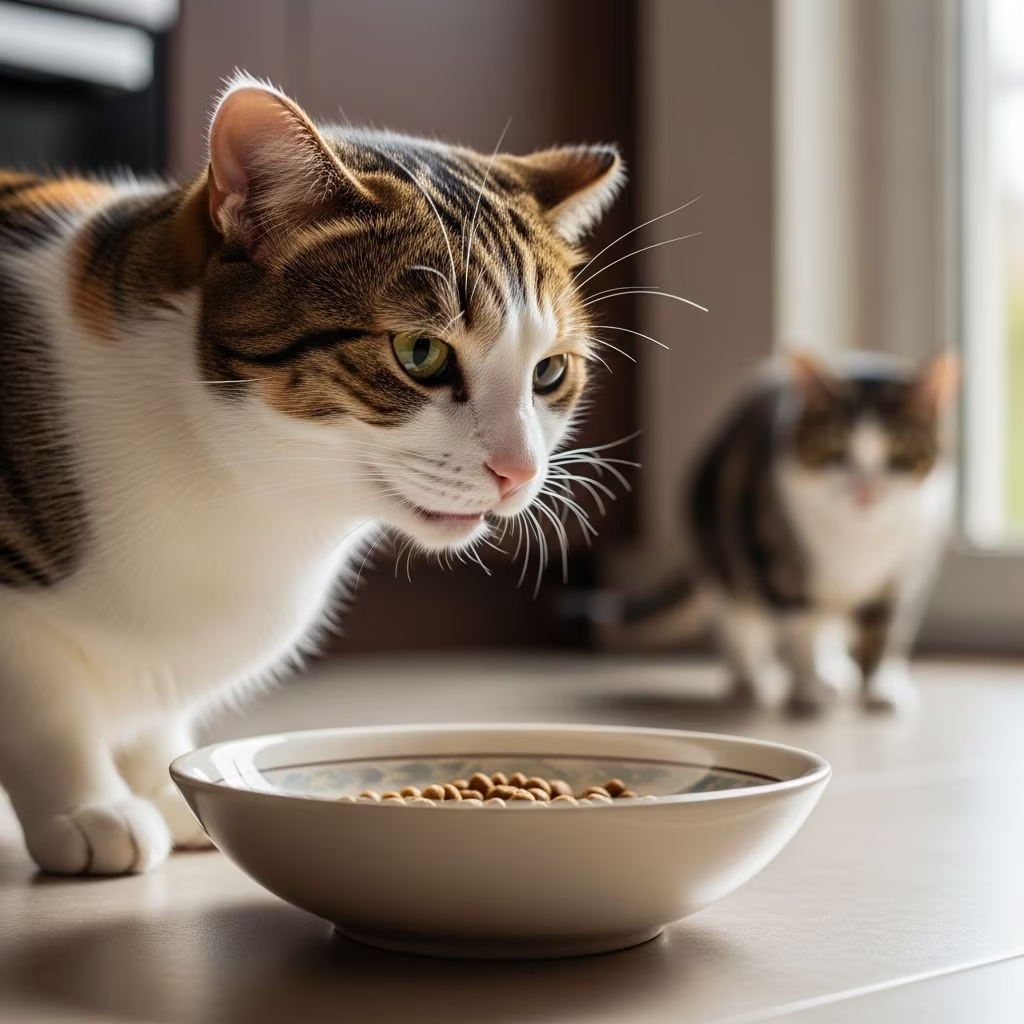
Food aggression in cats manifests as defensive behaviors like growling, hissing, swatting, or biting around mealtimes to protect their food resources. This resource-guarding issue, though less common in cats than dogs, can endanger owners, other pets, and the cat’s health, often stemming from instinctual survival responses or environmental factors.
What Is Food Aggression in Cats?
Food aggression, also known as resource guarding, occurs when a cat displays aggressive actions to safeguard its meal from perceived threats, such as humans or other animals approaching the bowl. Unlike playfulness, this behavior signals intense possessiveness, potentially leading to bites or scratches. Cats exhibiting this may stiffen, flatten ears, or lash tails while eating, escalating if challenged.
In multi-cat households, competition intensifies this, as felines naturally view food as scarce. While rare, untreated cases contribute to obesity from overeating or stress-related illnesses.
Signs of Food Aggression in Cats
Recognizing early symptoms prevents escalation. Key indicators include:
- Bowl guarding: Cat positions itself over the bowl, staring down or blocking access to anyone nearby.
- Growling, hissing, or swatting: Vocalizations or paw strikes during or before eating.
- Terrorizing others: Chasing pets or people away from food areas.
- Stealing and scavenging: Rummaging trash, eating packaging, or counter-surfing.
- Persistent begging: Excessive meowing, especially in kitchens, even post-meal.
- Attacking on sight: Lunging when food appears, regardless of portion size.
These signs often intensify in stressed environments, signaling deeper issues like psychogenic abnormal feeding behavior (PAFB), where cats obsess over food despite satiety.
Causes of Food Aggression in Cats
Multiple factors trigger this behavior, blending instinct, environment, and health:
Premature Weaning
Kittens separated from mothers too early miss learning shared eating, fostering lifelong guarding instincts. Early-weaned cats compete fiercely, associating food with scarcity.
Outdoor or Feral Background
Cats from streets or farms view meals as survival necessities, guarding against rivals. Transitioning indoors doesn’t erase this ingrained feral drive.
Stress and Environmental Changes
Anxiety from new pets, moves, or routines heightens defensiveness. Cats crave predictability; disruptions make food a security anchor.
Multi-Cat Households
Competition surges when multiple cats share bowls, especially with infrequent large feedings promoting bolting and guarding.
Reinforcement by Owners
Caving to meowing rewards persistence, teaching cats vocal demands yield food. Inconsistent feeding perpetuates cycles.
Health Issues
Hyperthyroidism accelerates metabolism, causing constant hunger in seniors. Dental pain or diseases like periodontal issues provoke irritability during eating. Always vet-check first.
Psychogenic Abnormal Feeding Behavior (PAFB)
Rare psychological condition, as in Otto the Siamese case, involves insatiable hunger, aggression, and pica (eating non-foods). Stress-induced, treatable via desensitization.
Why Is Food Aggression a Problem?
Beyond immediate risks like bites, it signals unmet needs, leading to obesity from rapid gorging, stress-induced heart/liver issues, or fights injuring pets. In households, it disrupts harmony, fostering fear around feeding.
Unchecked, it escalates to generalized aggression or health neglect, as cats avoid eating in company.
How to Stop Food Aggression in Cats
Addressing requires patience, consistency, and vet clearance. Strategies focus on prevention, training, and environment tweaks.
Step 1: Rule Out Medical Causes
Consult a vet for bloodwork screening hyperthyroidism, dental pain, or deficiencies. Treat underlying issues before behavior mods.
Step 2: Implement Proper Feeding Practices
- Feed multiple small meals daily (4-6) to mimic hunting, reducing scarcity feelings.
- Use puzzle feeders or scatter food to engage instincts, slowing intake.
- Separate cats during meals in multi-pet homes; elevate bowls for security.
Step 3: Desensitization and Counter-Conditioning
Gradually acclimate cat to approach. Start empty bowl: approach calmly, offer treats for calm response. Progress to adding food, rewarding non-aggression. Mongillo et al. (2012) succeeded with this on PAFB case, reducing stressors.
| Week | Activity | Goal |
|---|---|---|
| 1 | Approach empty bowl from 10ft, toss treat | Neutral association |
| 2 | Closer approach (5ft), hand-feeding kibble | Positive response |
| 3 | Touch bowl while cat eats tiny portions | No guarding |
| 4+ | Normal feeding with presence | Relaxed mealtimes |
Step 4: Manage Multi-Cat Dynamics
Feed in separate rooms, rotate locations. Ensure equal portions based on caloric needs—calculate via vet (e.g., 20-30kcal/lb body weight daily).
Step 5: Avoid Reinforcement
Ignore begging; stick to schedule. Redirect to toys post-meal.
Advanced Interventions
For persistent cases, consult certified behaviorists using meds if PAFB diagnosed. Never punish—escalates fear.
Prevention Tips for Food Aggression
- Socialize kittens with shared feeding early.
- Maintain routine; minimize changes.
- Monitor weight/diet; transition foods slowly.
- Enrich environment: scratching posts, play to cut stress.
- Use vertical space in multi-cat homes for security.
Frequently Asked Questions (FAQs)
Is food aggression common in cats?
No, it’s rarer than in dogs but prevalent in feral backgrounds or stressed multi-cat homes.
Will my cat outgrow food aggression?
Unlikely without intervention; early training prevents entrenchment.
Can food aggression lead to other problems?
Yes, obesity, injuries, or generalized aggression from chronic stress.
How long does training take?
2-8 weeks with consistency; faster if medical issues resolved.
Should I free-feed aggressive cats?
No—scheduled meals build security better than constant access.
References
- Why Is My Cat Food Aggressive? – The Comforted Kitty Cat Sitting — Comforted Kitty. 2023. https://comfortedkitty.com/food-aggression-in-cats/
- How To Deal With Food Aggression in Cats — Cats.com. 2024. https://cats.com/food-aggression-in-cats
- Food Aggression in Cats — Dupont Veterinary Clinic. 2023. https://www.dupontvet.com/blog/food-aggression-in-cats/
- How to Stop Food Aggression in Cats: Smart Solutions That Work — Holistapet. 2024. https://www.holistapet.com/blogs/cat-care/how-to-stop-food-aggression
- Feline Behavior Problems: Aggression — Cornell University College of Veterinary Medicine. 2025-01-10. https://www.vet.cornell.edu/departments-centers-and-institutes/cornell-feline-health-center/health-information/feline-health-topics/feline-behavior-problems-aggression
- Food Aggression in Cats: All You Need to Know — Pet Sitters International. 2023. https://petsitters.org/page/FoodAggressioninCatsAllYouNeedtoKnow



