

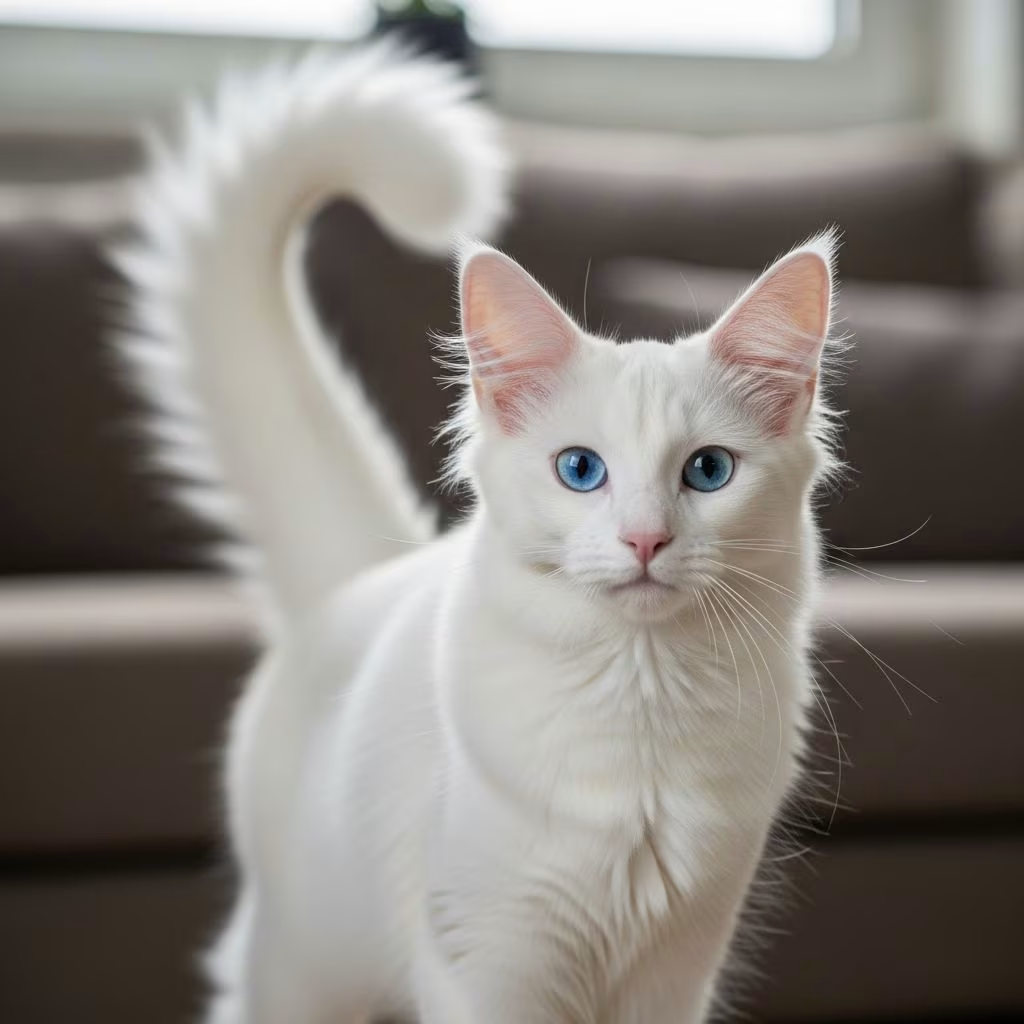
The Turkish Angora is one of the oldest and most elegant cat breeds, renowned for its silky coat, graceful build, and lively personality. Originating from Turkey, this breed stands out with its fine-boned frame, long legs, and plumed tail, making it a head-turner among felines. Identifying a Turkish Angora requires attention to specific physical traits, coat characteristics, eye colors, and behavioral cues that distinguish it from similar breeds like the Persian or Turkish Van.
These cats are not just beautiful; they are athletic, affectionate, and intelligent companions that thrive on interaction. Whether you’re adopting from a shelter, buying from a breeder, or simply curious about a stray, knowing these hallmarks ensures you recognize a true Turkish Angora. This guide breaks down every aspect, from history to health, to help you spot one confidently.
Turkish Angora Cat at a Glance
Turkish Angoras are medium-sized cats with a delicate yet muscular build, weighing 5–10 pounds and standing 9–14 inches tall. They boast a lifespan of 12–18 years, often longer with proper care, and originate from Ankara, Turkey, where they are a national treasure.
| Trait | Details |
|---|---|
| Average Weight | 5–10 pounds (females smaller) |
| Height | 9–14 inches |
| Length (excluding tail) | Up to 18 inches |
| Lifespan | 12–18 years |
| Origin | Ankara (Angora), Turkey |
| Temperament | Affectionate, playful, intelligent, vocal |
| Energy Level | High – loves climbing and exploring |
| Coat | Semi-long, silky, single-layered |
This table summarizes vital stats, highlighting their slender, balanced physique ideal for agility.
Turkish Angora History
The Turkish Angora traces its roots to Anatolia, Turkey, dating back centuries as one of the first long-haired cat breeds in Europe. Native to the Ankara region, these cats were gifted to European rulers, including Sultan Mohammed II presenting one to Pope Innocent VIII in the 15th century. They nearly faced extinction in the early 20th century but were revived through dedicated breeding programs at the Ankara Zoo starting in the 1960s.
Recognized by the Cat Fanciers’ Association (CFA) in 1978, the breed gained championship status. Turkey views them as a national treasure, exporting only non-white specimens initially to preserve the iconic white variety. Today, they are celebrated for their ancestral purity and influence on other long-haired breeds.
Turkish Angora Size
Turkish Angoras are small to medium-sized, with males weighing 7–10 pounds and females 5–8 pounds. Their height ranges from 9–14 inches at the shoulder, and body length reaches up to 18 inches excluding the tail. Despite their fine-boned structure, they possess a firm, muscular body beneath the silky coat, giving an impression of ethereal grace and flowing motion.
Legs are notably long, with hind legs slightly longer than front ones, ending in small oval paws often tufted. This build makes them agile jumpers and climbers, often called ‘ballerinas of the cat world’ for their poise.
Turkish Angora Body Shape
The ideal Turkish Angora features a long, slender, well-balanced body with straight lines and angles. The head is small to medium wedge-shaped, with a smooth muzzle and high-set, large ears that are erect and pointed. Necks are long and elegant, complementing the overall aristocratic appearance.
The tail is a standout: long, plumed like a feather duster, tapering slightly at the end, and richly furred for dramatic effect during movement. Unlike stockier breeds, Turkish Angoras avoid exaggerated features, emphasizing harmony and finesse.
Turkish Angora Coat
The hallmark of the Turkish Angora is its single-layered, silky, fine coat that shimmers with every step. Semi-long in length, it lies close to the body without woolly undercoat, making it low-shedding and easy to maintain. The fur is longest on the tail, forming a luxurious plume.
- Texture: Soft, silky, and fine, with a natural sheen.
- Length: Medium-short on body, longer on ruff, belly, and tail.
- Shedding: Moderate, minimized by weekly brushing.
- Maintenance: Simple grooming routine suffices; baths rare.
This coat sets them apart from denser-furred Persians.
Turkish Angora Colors
Traditionally white, Turkish Angoras now appear in diverse colors and patterns due to expanded breeding. Common shades include black, blue, cream, red, plus tabby, smoke, tortoiseshell, and bicolors. White cats often have vivid eyes: blue, green, amber, or odd-eyed (one blue, one other).
- White: Classic, with potential blue eyes linked to deafness risk.
- Smoke varieties: White undercoat tipped red, cream, blue-cream, or tortoiseshell.
- Tabby: Ticked, classic, or mackerel patterns on legs and tail.
- Parti-color: Calico or bi-color combinations.
Eyes harmonize with coat: copper or gold for non-white, blue for whites.
Turkish Angora Eyes
Almond-shaped and expressive, Turkish Angora eyes are large and set at a slight angle, conveying intelligence and curiosity. Colors range from deep blue and green to amber, hazel, or odd-eyed in whites—one blue eye is iconic and genetically linked to the white coat.
Eye color should be vivid and clear, enhancing their alert, engaging gaze. This feature, combined with high-set ears, frames their oval faces strikingly.
Turkish Angora Ears
Large, erect, and pointed, ears sit high on the skull with wide bases and slightly rounded tips, often furnished with ear tufts. They contribute to the cat’s alert, elegant profile and excellent hearing, aiding their hunting instincts.
Spacing allows a walnut to fit between them, maintaining balance without exaggeration.
Turkish Angora Personality
Turkish Angoras are affectionate, playful, intelligent, and vocal extroverts who crave human interaction. They follow owners room-to-room, greet guests, and excel in agility due to athletic prowess. Often sassy and opinionated, they bond deeply, sometimes selecting one favorite human.
- Highly social and empathetic, adapting to family moods.
- Playful hunters, chasing toys with vigor.
- Talkative, engaging in ‘conversations’ frequently.
- Compatible with children, dogs, and other pets if socialized.
They demand attention; neglect leads to mischief.
Turkish Angora Health
Generally healthy with a 12–18+ year lifespan, Turkish Angoras face risks like congenital deafness in white/blue-eyed cats (up to 80% affected), hypertrophic cardiomyopathy (HCM), and ataxia in kittens. Regular vet check-ups, genetic screening, and dental care are essential.
- Deafness: Linked to W gene in whites.
- HCM: Heart condition; screening recommended.
- Von Willebrand’s: Rare bleeding disorder.
Choose breeders who test for these.
Turkish Angora Grooming
Low-maintenance coat requires weekly brushing to prevent mats and distribute oils. Bath only as needed; nail trims biweekly, ear cleaning monthly, and dental brushing daily. Their active nature keeps them clean.
Turkish Angora Care Tips
Provide high perches, interactive toys, and puzzle feeders for mental stimulation. High-protein diet supports energy; daily play sessions match their vigor. Early socialization ensures well-rounded adults.
- Environment: Vertical spaces, scratching posts.
- Diet: Quality kibble/wet food, portion control.
- Exercise: 30+ minutes play daily.
Frequently Asked Questions
Are Turkish Angoras hypoallergenic?
No, but their single coat sheds less than double-coated breeds.
Do Turkish Angoras get along with dogs?
Yes, with proper introductions; they assert dominance playfully.
How do you identify a Turkish Angora kitten?
Look for fine bones, large ears, and silky fur early; personality emerges at 8–12 weeks.
Are white Turkish Angoras always deaf?
No, but blue-eyed whites have higher risk; test unilaterally.
What’s the difference between Turkish Angora and Persian?
Angoras are slender/active; Persians stocky/sedentary with longer fur.
References
- Facts, Features, and Personality Traits of Turkish Angora Cats — World’s Best Cat Litter. 2023. https://www.worldsbestcatlitter.com/blog/turkish-angora-cat-facts/
- Turkish Angora Cat Breed Information — Purina US. 2024. https://www.purina.com/cats/cat-breeds/turkish-angora
- Angora Cat Traits, Appearance, General Character — VetAmerikan. 2023. https://www.vetamerikan.org/our-best-friends/cat-types/angora-cat
- Turkish Angora Breed Standard — Cat Fanciers’ Association. 2024. https://cfa.org/breed/turkish-angora/
- What To Know About a Turkish Angora Cat — WebMD. 2023-10-15. https://www.webmd.com/pets/cats/what-to-know-turkish-angora-cat
- Turkish Angora — Wikipedia (citing primary sources). 2024. https://en.wikipedia.org/wiki/Turkish_Angora



