

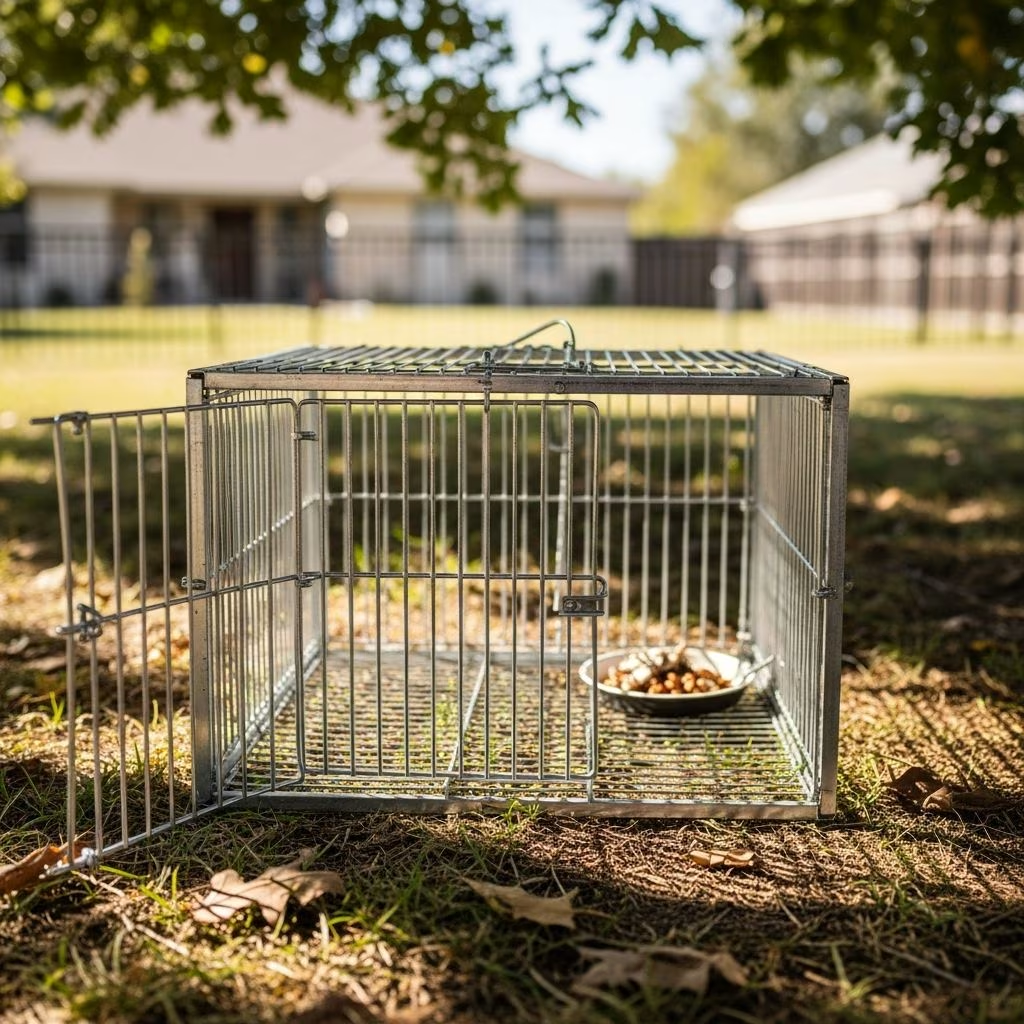
How to Humanely Trap Animals for Rescue or TNVR
Humanely trapping animals is a critical skill for animal rescue professionals, TNVR (Trap-Neuter-Vaccinate-Return) practitioners, and community advocates working to improve the lives of vulnerable animals. Whether you’re rescuing lost pets, managing community cat populations, or assisting with wildlife rehabilitation, understanding proper trapping techniques ensures the safety and welfare of both the animals and the handlers involved. This comprehensive guide covers everything you need to know about humane animal trapping, from preparation and equipment to execution and animal care.
Understanding the Responsibility of Animal Trapping
Before embarking on any animal trapping initiative, it’s essential to understand the profound responsibility you’re undertaking. Once you trap an animal, you become its temporary or permanent guardian, assuming full responsibility for its well-being and future. Unsocialized animals—particularly feral or community cats—will likely experience significant fear and stress when confined in a trap, potentially thrashing about in panic as they attempt to escape.
For community cats that appear healthy and are not in immediate danger, consider whether trapping is truly necessary. Many community cats have caregivers within their neighborhoods who provide food, shelter, and medical attention. If these animals seem well-cared-for and safe, TNVR is often the more humane approach, allowing them to remain in their established outdoor homes while ensuring they receive necessary veterinary care including spaying, neutering, and vaccinations.
Safety First: Essential Precautions for Animal Trappers
Safety must be your primary mantra when working with humane animal traps. Even small animals can inflict serious injuries through bites and scratches, which can quickly become infected. Here are critical safety considerations:
- Never underestimate the potential danger posed by trapped animals, regardless of size or age
- Always wear appropriate protective equipment, including work gloves and exam gloves
- Obtain first aid training for both human injuries and injured animals
- Learn emergency care procedures for transporting injured animals to veterinary facilities
- Keep a well-stocked first-aid kit readily available at all times
Bites and scratches from stressed animals can introduce bacteria and viruses, making infection prevention essential. Carry antibacterial hand sanitizer and disinfectant cleaners that are effective against bacteria and viruses. Use these products on all surfaces that may come into contact with the trapped animal, and establish a foot bath system using appropriate disinfectants before entering and exiting your work areas.
Building Your Support Team
Successful animal trapping operations require more than just one dedicated individual. Attempting to manage trapping alone creates multiple problems and inefficiencies. Building a team approach offers numerous advantages:
- Traps become extremely heavy once an animal is secured inside, requiring multiple people for safe handling and transport
- Socialization of unsocialized animals improves significantly when multiple people and other animals model healthy behavior
- Long-term animal care, including placement, fostering, and adoption support, becomes more manageable
- Training volunteers and adopters requires coordinated effort across a team
- Tackling medical and behavioral challenges is less overwhelming with shared responsibility
Consider connecting with local wildlife management agencies and animal services personnel. These professionals can provide valuable guidance, answer technical questions, and often collaborate on shared goals. Learning from experienced practitioners accelerates your effectiveness and reduces common mistakes.
Essential Equipment and Supplies for Humane Trapping
Proper equipment is fundamental to successful, humane trapping operations. Here’s a comprehensive checklist of items you’ll need:
Traps and Containment Equipment
- Humane animal traps appropriately sized for your target animals
- Towels or blankets for covering traps (towels for cats, blankets for larger animals)
- Throw nets for additional capture options
- Animal catchpoles for safe handling
- Fence panels and gates for creating small, free-standing pens
- Gates that can function as squeeze boxes and shields when necessary
Traps can be purchased from online retailers, with Tomahawk Live Trap (livetrap.com) being a reliable source. Regardless of where you obtain equipment, ensure you receive proper training on how to use all tools safely and effectively.
Personal Protection and Sanitation
- Work gloves for protection during trap handling
- Exam gloves for use when surfaces might be contaminated
- First-aid kit containing essential medical supplies
- Antibacterial hand sanitizer
- Disinfectant, bactericide, and virucide cleaners for surface treatment
- Newspaper or absorbent material to line trap interiors
Transport and Containment Supplies
- Washable liners such as plastic tarps for vehicle protection during transport
- Additional newspaper and absorbent materials for cleanup
- Temperature-controlled carrier space for secure animal transport
- Cell phone with emergency contact numbers readily available
Setting Up and Baiting Your Trap
Trap Placement and Preparation
Proper trap setup is crucial for success. Begin by placing your trap on a completely level surface to prevent wobbling, which discourages animals from entering. Line the interior with newspaper to provide comfortable footing once the animal enters the trap. This padding also helps absorb waste.
Hold the trap door open while preparing the bait and setting the trigger mechanism. Position your bait—wet food works best—behind the trip plate, placing it directly on the newspaper lining rather than in a can or on a plate. This prevents animals from picking up the container and leaving without triggering the trap.
Setting the Trigger Mechanism
While maintaining the door in an open position, set the door using the trip pin or rod. Apply gentle pressure to the trip plate to test the spring mechanism. You can adjust the sensitivity of the trigger by modifying your pin or rod setting, allowing you to customize the pressure required to close the trap.
Concealment and Camouflage
Position traps in areas where animals typically feed or have been spotted. Conceal traps with bushes or vegetation to provide natural camouflage and help the animal feel less exposed. If trapping in public areas, position traps where they won’t attract attention from passersby who might not understand your rescue efforts or attempt to interfere.
Specific Techniques for Trapping Community Cats
Bait Selection and Presentation
For feral and community cats, use highly aromatic baits like tuna, mackerel, or other pungent treats. Spoon a small amount onto a paper plate rather than using rigid bowls or cans. Place the plate at the trap’s back, beyond the trip plate, and drizzle some of the bait’s liquid along the trap floor to create an olfactory trail encouraging the cat to enter.
If the cat approaches but doesn’t trigger the trap, increase the difficulty by placing the paper plate on the ground and pressing the trap down onto it. This squishes the food slightly through the wire bottom, making it more challenging for the cat to retrieve while also ensuring they fully enter the trap.
Door Opening and Trigger Setting for Cats
Open the cat trap door by pushing the top inward while pulling the bottom upward. A small hook on the trap’s right side engages a metal cylinder on the door’s right side. When the cat steps on the trip plate, this hook releases and closes the door automatically.
Pre-Trapping Coverage
After baiting and setting your trap, cover it completely with a large towel or sheet, covering the top, sides, and back while exposing the front opening. This covering serves dual purposes: it helps camouflage the trap and creates a den-like environment that can calm cats once they’re caught.
Monitoring and Capture Protocols
Strategic Waiting and Observation
Never leave traps unattended in unprotected areas—trapped animals are highly vulnerable and may be released by well-meaning but uninformed passersby or even stolen. However, don’t position yourself within sight of the cats, as your presence will scare them away from the traps. Find a discreet location where you can observe the traps without disturbing the animals. Patience is essential; even from a distance, you can often hear the distinct sound of a trap closing.
Immediate Post-Capture Actions
As soon as you successfully trap your target animal, completely cover the trap and remove it from the area immediately. Full coverage helps keep the captured animal calm, though some thrashing should be expected as the frightened animal adjusts to confinement. Resist any urge to release the animal—you are performing this capture for their benefit and wellbeing.
Verification and Specialized Situations
Once you’ve moved the captured cat to a quiet area away from other traps, carefully lift the cover and verify you have the correct animal. Look for identifying features and check for an ear tip, which indicates the cat has already been spayed or neutered through a previous TNVR effort. If you’ve captured a lactating female, immediately check the area for nursing kittens. Remember that lactating females must be released as soon as they’re awake and alert after their veterinary procedures so they can return to nursing their young.
Troubleshooting Common Trapping Challenges
When Initial Attempts Fail
If you haven’t successfully trapped an animal within 48 hours, try creating a trail of kibble leading from outside the trap to its open door. However, avoid placing excessive amounts of food or high-value treats outside the trap, as this eliminates the incentive to enter it. Similarly, providing water outside the trap may help lure hesitant animals inside.
Planning and Preparation
Before deploying traps, carefully plan your trapping day. Remember that you may have only one opportunity to successfully trap a particular cat—animals learn extremely quickly and will avoid traps after being caught and released. For each trapping session, review your complete checklist of necessary items, ensuring you have everything required. Always carry a cell phone along with emergency contact numbers you might need during the operation.
Safe Transport and Release Procedures
Transporting Trapped Animals
Prepare your transport vehicle before trapping begins. Line it with plastic sheeting, then add newspaper or other absorbent material on top—urine will roll off bare plastic, so this layering is essential for cleanliness and hygiene. Keep your vehicle temperature-controlled to maintain the animal’s comfort and safety during transport.
Carry trapped animals to a secure location, ideally your veterinarian’s office, before opening the trap. Do not open the door during transport or in unsecured areas. Wear your protective gloves during transport in case the animal attempts to bite through the trap’s mesh.
Safe Release Techniques
When ready to release, hold the trap with the door facing away from you, remove the covering, and open the door. Most animals will bolt immediately from the trap. If the cat hesitates, tilt the trap slightly with the back elevated, then gently tap the back to encourage departure. Never place your hand inside the trap during release procedures.
Frequently Asked Questions About Humane Animal Trapping
Q: What should I do if a trapped animal becomes severely distressed?
A: Keep the animal covered to minimize visual stimuli and maintain a calm environment. Avoid talking or making sudden movements. If an animal shows signs of severe medical distress, transport it immediately to an emergency veterinary clinic rather than delaying for your planned veterinarian appointment.
Q: Can I trap animals in winter or extreme weather conditions?
A: Use caution in extreme weather. Ensure trapped animals don’t experience dangerous temperature fluctuations. Provide appropriate shelter, maintain temperature control during transport, and prioritize getting animals to veterinary care quickly to minimize stress during difficult weather conditions.
Q: How long can an animal safely remain in a trap?
A: Minimize trap time as much as possible. Transport captured animals to veterinary facilities promptly. Long periods in traps increase stress and dehydration risk. Ideally, transport times should be minimized to under one to two hours when feasible.
Q: What if I accidentally trap a pet cat instead of a community cat?
A: Check for identifying features like collars, tags, or unusual grooming. If you believe you’ve captured a pet, release it immediately in the exact location where it was trapped. Post notices in the area and check for lost cat reports to help reunite the animal with its owner.
Q: Should I offer food or water to trapped animals?
A: Avoid opening traps to provide food or water during temporary holding. Keep animals calm and covered, and transport them to veterinary facilities quickly. Extended trap confinement with food offerings can increase injury risk.
References
- How to Humanely Trap Animals for Rescue or TNVR — Best Friends Animal Society. 2024. https://bestfriends.org/pet-care-resources/how-humanely-trap-animals-rescue-or-tnvr
- How to Use Humane Cat Traps for TNVR — Best Friends Animal Society. 2024. https://bestfriends.org/pet-care-resources/how-use-humane-cat-traps-tnvr
- Humane Animal Control Manual — Best Friends Animal Society. 2024. https://bestfriends.org/pet-care-resources/humane-animal-control-manual
- Trap-Neuter-Vaccinate-Return (TNVR): A Humane Approach to Managing Community Cats — Alley Cat Allies. 2023. https://www.alleycat.org/our-work/trap-neuter-vaccinate-return/
- Animal Welfare: Best Practices in Shelter Operations — The Humane Society of the United States. 2023. https://www.humanesociety.org/animals/shelter-services



