

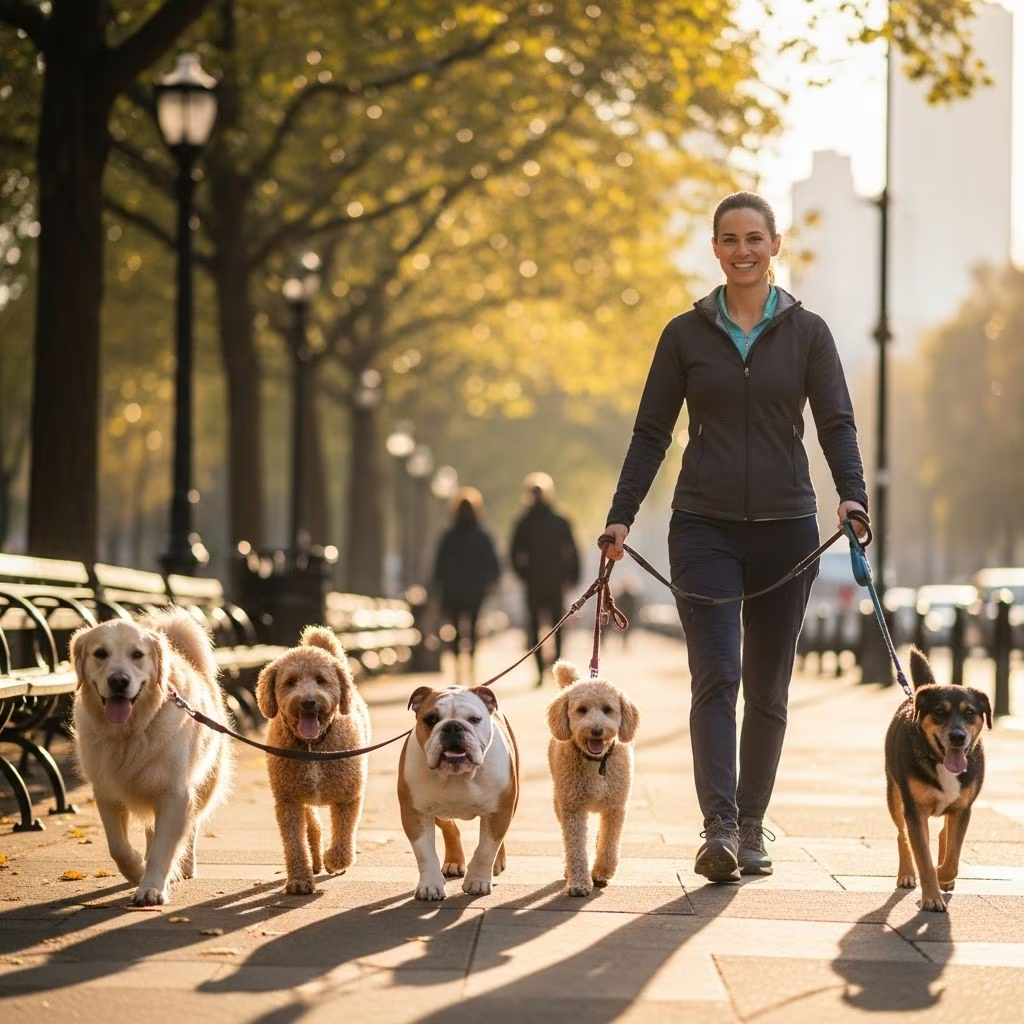
How to Hire a Dog Walker: A Complete Guide for Pet Parents
Finding the right dog walker can be one of the most important decisions you make as a pet parent. Whether you’re working long hours, dealing with an unexpected schedule change, or simply want your furry friend to get extra exercise and socialization, a professional dog walker can make a significant difference in your dog’s quality of life. However, with so many options available—from independent walkers to app-based services to established companies—the hiring process can feel overwhelming. This comprehensive guide will walk you through every step of finding and hiring the perfect dog walker for your beloved companion.
Understanding Your Dog’s Needs
Before you even begin searching for a dog walker, take time to thoroughly assess your dog’s individual needs and personality. Every dog is unique, and what works for one may not work for another. Understanding these specific requirements will help you communicate clearly with potential walkers and ensure your dog receives appropriate care.
Consider your dog’s energy level, age, size, and temperament. Does your dog thrive in social situations with other dogs, or does your pup prefer one-on-one attention? Some dogs have anxiety or behavioral issues that require experienced handlers. Others might have physical limitations due to age or health conditions. Your dog may have specific fears or phobias—perhaps they’re nervous around certain breeds or types of people. Some dogs require medication administration during walks, while others have dietary restrictions or allergies that need careful management.
Think about your dog’s exercise requirements too. A high-energy border collie has vastly different needs than a senior pug. Understanding these distinctions will help you find a walker equipped to provide exactly what your dog needs.
Determining Your Service Frequency and Budget
The next critical step is deciding how often you’ll need dog walking services. Are you looking for daily walks, or do you need coverage only on specific days when you work late? Perhaps you want midday walks to break up your dog’s time alone, or maybe you need weekend coverage occasionally. Being clear about your frequency requirements upfront will help you find walkers whose schedules align with yours.
Budget is another essential consideration. Dog walking prices vary significantly based on several factors: your geographic location, the length of the walk, the walker’s experience level, and the type of service (individual walker versus established company). Research the typical pricing in your area so you have realistic expectations. While cost matters, remember that the cheapest option isn’t always the best value—you’re entrusting someone with your beloved companion.
Types of Dog Walking Services
Understanding the different types of dog walking services available will help you choose the option that best fits your needs and preferences.
Independent Dog Walkers
Independent or solo dog walkers are self-employed professionals who typically work alone. These walkers often have smaller client rosters and provide personalized, one-on-one attention to each dog they care for. They generally charge less than established companies since they don’t have overhead costs like office space or administrative staff. Many independent walkers don’t charge sales tax and may accept cash payments.
The primary advantage of hiring an independent walker is developing a direct, personal relationship with someone who knows your dog intimately. However, independent walkers have limitations. They can only manage so many walks per day, which means finding an available, experienced walker can be challenging. Additionally, independent walkers often lack sophisticated software systems for scheduling, payments, and GPS tracking. Most critically, they typically carry minimal insurance, if any, which poses a risk if something goes wrong during a walk.
If you choose an independent walker, ensure they have backup substitutes available and that you meet all substitutes beforehand. Always verify that both the primary walker and any substitutes are bonded and insured.
Boutique Dog Walking Companies
Boutique dog walking companies represent a middle ground between independent walkers and large corporations. These are typically small, locally-owned businesses with multiple walkers on staff. They usually charge between $35-$55 per 60-minute walk, depending on the number of walks per week.
Boutique companies generally offer smaller arrival windows than larger services, guaranteed walks even when your primary walker is unavailable, and complimentary meet-and-greet sessions. You can often find pictures and bios of the owners and team members on their websites, giving you insight into the people behind the business. These companies typically use modern technology for scheduling and payments while maintaining a personalized approach.
Large Dog Walking Companies and App-Based Services
Large dog walking companies and app-based platforms like Wag! and Rover offer convenient, technology-driven solutions. These services feature sophisticated apps that allow you to browse available walkers, view their profiles and reviews, schedule walks, and manage payments all in one place—much like ordering food delivery or a rideshare.
The advantage of these platforms is instant access to pet care services, extensive availability, and seamless user interfaces. However, you may not develop a consistent relationship with the same walker, and the app-based nature can feel less personal. These services are ideal if you need flexibility and quick access to dog care.
Finding Potential Dog Walkers
Once you understand your needs and budget, it’s time to find candidates. There are several effective methods for locating qualified dog walkers.
Tap Into Your Network
One of the best places to start is by asking for recommendations from friends, family, and neighbors who use dog walking services. Local dog parks, pet stores, veterinary clinics, and online community groups are excellent resources for word-of-mouth referrals. People who genuinely love their dog walker are usually enthusiastic about sharing recommendations.
Online Research
Search for dog walkers in your area using Google, Yelp, or dedicated pet service websites. When you find potential candidates, visit their websites and Google My Business pages. Look for professional websites with clear pricing information, high ratings with substantial review counts, and team bios or photos. Professional presentation is often an indicator of how seriously someone takes their business.
Verify Credentials and Insurance
Before scheduling a consultation, verify essential qualifications. Ask if potential walkers are licensed, bonded, and insured—and request proof of coverage. Never feel awkward asking for this documentation; any professional will appreciate your diligence. Additionally, inquire whether they’ve completed pet first aid training or other pet care certifications.
Essential Questions to Ask Potential Dog Walkers
During your initial conversations with potential dog walkers, ask specific questions to assess their qualifications, experience, and approach to dog care.
Walking Style and Experience
- What is your method and style of dog handling during walks?
- Do you conduct pack walks, and if so, how many dogs do you typically walk at once?
- What time of day will you walk my dog?
- How long will the walks typically be?
- Where do you plan to walk my dog?
- Do you offer off-leash time, and if so, how do you ensure dogs return to you?
Safety and Emergency Protocols
- What steps do you take to prevent dogs from getting lost?
- What backup systems do you use (carabiner, coupler, double leash)?
- What is your emergency plan if a dog gets loose, lost, or injured during a walk?
- What’s your experience with handling unexpected situations?
- What is your cancellation policy, and what happens if you become sick and unable to walk my dog?
Professional Background
- Can you provide client references?
- Have you participated in any pet-care training, such as pet first aid?
- How long have you been walking dogs professionally?
- What was the scariest experience you’ve had while dog walking, and how did you handle it?
Preparing Your Dog for a Walker
Before your chosen dog walker’s first visit, prepare your dog to ensure a smooth transition and safe experience.
Train your dog on basic leash manners, teaching them to walk without pulling. Dogs that pull constantly make walks unpleasant and potentially unsafe for the walker. Additionally, ensure your dog understands basic commands, particularly “come when called.” This is especially important if your walker will provide any off-leash time.
Brief the walker thoroughly on your dog’s behavioral history. Inform them if your dog has ever been in a dog fight, bitten another dog or person, or received obedience training. Let them know about any fears—whether your dog is anxious around specific dog breeds or types of people. Disclose any food allergies or dietary restrictions, as walkers often use treats for positive reinforcement.
The First Meeting and Setup
Always arrange an in-person meeting with your dog walker before they ever walk your dog alone. This meeting is crucial for several reasons: the walker can meet your dog and assess their behavior, they can pick up a key, and they can familiarize themselves with your home layout, including where walking gear, water bowls, and emergency supplies are kept.
Provide your dog walker with comprehensive written information they can refer to during every visit. This documentation should include:
- Your contact information, including multiple phone numbers and email addresses
- Your veterinarian’s contact information and address
- Information about any medications your dog takes, including what the medication is for and exact administration instructions
- Feeding instructions if the walker will provide meals
- Alarm codes and instructions for disarming security systems
- Location of all necessary supplies (leashes, treats, cleaning supplies, pee pads)
For alarm systems with smartphone remote access, take advantage of this feature so you don’t have to share your security codes.
Establishing Communication Protocols
Open lines of communication between you and your dog walker are essential for ensuring your dog receives excellent care and for catching any problems early.
Request brief daily updates from your dog walker about how the walk went. These updates can be as simple as a quick text message, a note on a whiteboard, or a photo posted through a pet care app like PetCheck. Regular communication helps you stay informed about your dog’s activities and provides an opportunity to address concerns quickly.
Be attentive to any warning signs that things aren’t going well. If something feels off, ask questions directly. For instance, if you know your dog typically exhibits certain behaviors on walks, ask the walker if they’ve observed those behaviors. Their answer will reveal whether they’re paying close attention to your dog and truly understand canine behavior.
Red Flags and Warning Signs
While most dog walkers are dedicated professionals, know the warning signs that might indicate a poor fit:
- A walker who seems disinterested in your dog’s specific needs and personality
- Inconsistent communication or missed updates
- Your dog seems anxious or reluctant when the walker arrives
- Unwillingness to answer questions about their experience or qualifications
- Lack of proper insurance or bonding
- Pressure to make quick decisions without a proper meet-and-greet
- Refusal to provide references or client information
What to Expect: Pricing and Services
Understanding typical pricing in your area helps you make informed decisions. Pricing varies widely based on location—urban areas typically charge more than rural regions. A 30-minute walk might cost $20-$40, while hour-long walks range from $30-$60 depending on your area and the service type.
Some walkers charge flat rates regardless of walk length, while others offer tiered pricing for multiple walks per week. Additional services like feeding your dog, administering medication, or providing photo updates may carry extra fees. Ask about package deals if you need multiple walks per week, as many walkers offer discounts for regular clients.
Frequently Asked Questions
Q: How do I know if my dog needs a professional walker?
A: If your dog spends more than 8 hours alone daily, shows signs of anxiety or excess energy, or lacks adequate exercise opportunities, a professional walker can significantly improve their quality of life and behavior.
Q: Should I use app-based services or hire a local walker?
A: Both have advantages. App services offer convenience and flexibility, while local walkers often provide more personalization. Consider your priorities—if consistency and personal relationships matter most, choose a local walker. If you need flexibility, app services work well.
Q: What should I do if I’m unhappy with my current dog walker?
A: Communicate your concerns directly first. If issues persist or you feel your dog’s safety is compromised, don’t hesitate to find a new walker. Your dog’s wellbeing is paramount.
Q: How much notice should I give my dog walker for cancellations?
A: Discuss cancellation policies upfront. Most walkers require 24 hours’ notice for cancellations, though emergencies are understandable. Confirm this expectation when you hire them.
Q: Can my dog walker administer medications?
A: Many can, but only if you provide clear written instructions and they’re comfortable doing so. Never assume—always ask explicitly and provide detailed instructions in writing.
Q: What should I do if my dog gets injured during a walk?
A: Confirm your walker’s emergency protocol before hiring them. A responsible walker should immediately contact you and transport your dog to an emergency vet if necessary. Ensure your walker has your vet’s contact information.
Making Your Final Decision
After researching options, meeting candidates, and asking thorough questions, you’re ready to make your decision. Choose a walker who demonstrates genuine love for dogs, possesses appropriate credentials and insurance, communicates clearly, and makes you feel confident in their ability to care for your beloved pet.
Remember that the right dog walker becomes part of your pet care team and contributes significantly to your dog’s happiness and health. Take your time with this decision, trust your instincts, and don’t hesitate to make a change if things aren’t working out.
References
- How to Find and Choose a Dog Walker — American Kennel Club. Accessed November 2025. https://www.akc.org/expert-advice/health/finding-a-dog-walker/
- Hiring a Dog Walker in NYC: Types and Considerations — The Perfect Pooch NYC. Accessed November 2025. https://www.theperfectpoochnyc.com/perfect-pooch-blog/hiring-a-dog-walker-in-nyc
- A Guide to Hire the Best Dog Walkers in NYC — City Tails NYC. Accessed November 2025. https://citytailsnyc.com/a-guide-to-hire-the-best-dog-walkers-in-nyc/
- Your Guide to Hiring a Dog Walker — Petschool Academy. August 2019. https://www.petschool.academy/blog/2019/8/your-guide-to-hiring-a-dog-walker
- Choosing a Dog Walker — NYC Doggies. Accessed November 2025. https://nycdoggies.com/wellness/choosing-a-dog-walker/
- How To Hire A Dog Walker — NYC Pooch. Accessed November 2025. https://nycpooch.com/how-to-hire-a-dog-walker/



