

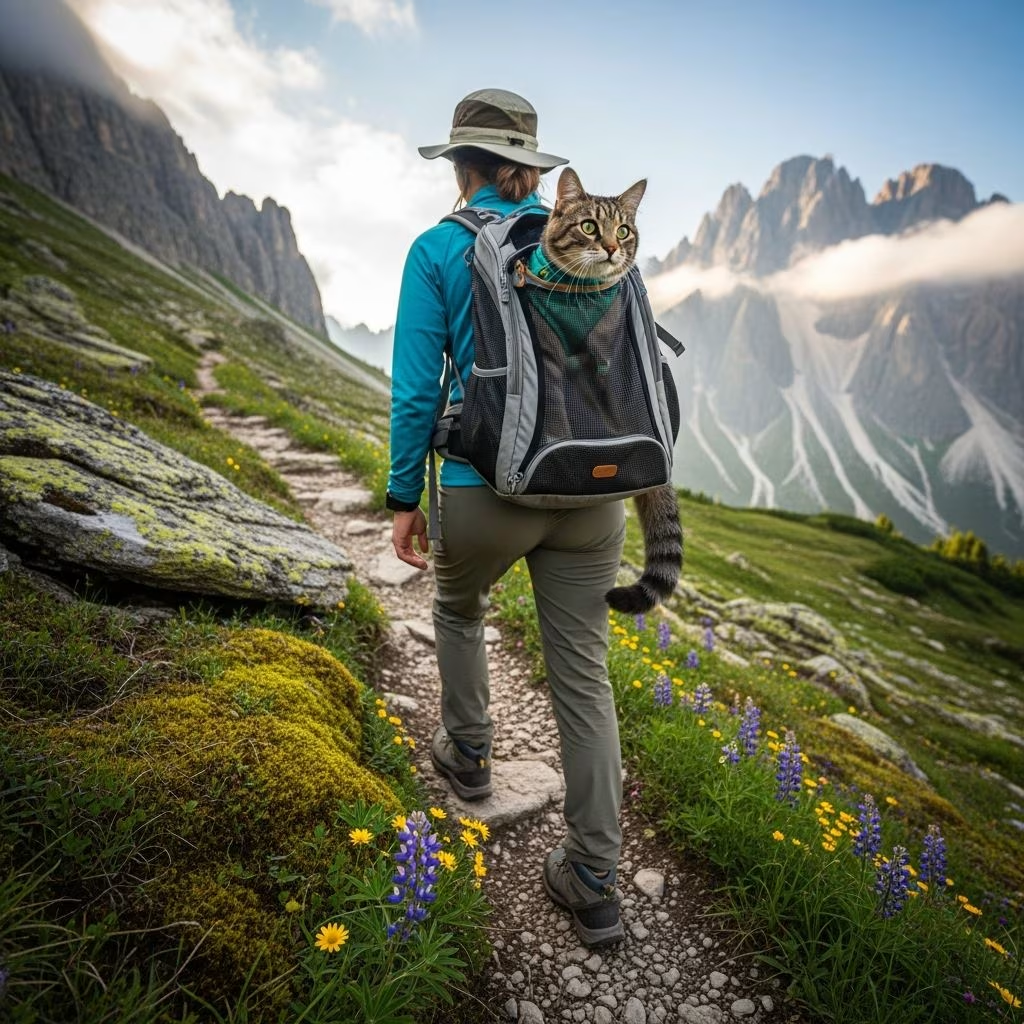
How to Hike With Your Cat: Turning Your Kitty Into an Adventure Cat
Hiking with your cat might sound unconventional, but adventure cats are becoming increasingly popular among outdoor enthusiasts who want to share their love of nature with their feline companions. Whether you’re planning a leisurely walk through nearby trails or ambitious backpacking expeditions, transforming your cat into an adventure cat requires patience, proper equipment, and realistic expectations. This comprehensive guide will walk you through everything you need to know to safely and enjoyably explore the outdoors with your feline friend.
Understanding Your Cat’s Natural Instincts
Before hitting the trail, it’s essential to understand that cats are fundamentally different from dogs when it comes to outdoor activities. Unlike dogs, cats are ambush predators whose instincts drive them to hide and explore methodically rather than maintain a linear path. Their legs are shorter than ours, and their bodies weren’t designed for long marches. This means that successful hiking with cats requires adapting your expectations and pace. You won’t be covering the same distances as you would with a dog, and that’s perfectly fine. The goal is to enjoy nature at your cat’s speed and comfort level, allowing them to experience the outdoors safely.
Essential Gear for Hiking With Your Cat
Proper equipment is the foundation of successful cat hiking adventures. Having the right gear ensures your cat’s safety and comfort while making the experience enjoyable for both of you.
Cat Harness Selection
The harness is arguably the most important piece of equipment when hiking with your cat. It must fit securely to prevent your cat from slipping out, as a frightened or distracted cat could easily escape and become lost. There are two main types to consider: H-style harnesses and chest-plate harnesses. H-style harnesses, such as the PetSafe Come With Me Kitty Harness, are excellent for initial training and offer a simple design that’s easy to put on and adjust. However, if your cat tends to pull toward interesting sights along the trail, a harness with chest coverage may be more comfortable. This design distributes pressure more evenly across your cat’s body rather than concentrating it on the neck, making it a better long-term option for cats who are energetic pullers.
Leash and Lead Specifications
When choosing a leash for your cat, length matters significantly. For your first hiking adventures, a 6-foot leash provides adequate control while giving your cat some freedom to explore. As both you and your cat become more comfortable on the trail, you can upgrade to a longer leash—around 10 feet—that allows more exploration while maintaining safety and control. It’s wise to carry an extra harness and leash set on longer hikes. Should either break or become damaged during your adventure, you’ll still be able to enjoy the rest of your hike without having to return to your vehicle with a stressed cat.
Backpack and Carrier
Your cat’s shorter legs mean they’ll need breaks during longer hikes. A comfortable cat backpack serves dual purposes: it provides a safe resting spot during breaks and offers a secure carrying solution when your cat becomes fatigued. Look for backpacks with adequate padding, ventilation, and comfortable straps that distribute weight evenly across your shoulders. Window or mesh panels allow your cat to look around while remaining safely contained. For overnight trips or challenging terrain, having a cat carrier or backpack becomes even more essential.
Water and Hydration Supplies
Cats can become dehydrated quickly, especially when active outdoors. Always bring plenty of fresh water and a collapsible bowl that’s easy to pack and clean. Many cat owners find that water bottles with attached bowls offer convenient hydration solutions on the trail. Offer your cat water regularly, even if they don’t seem thirsty, particularly during warm weather or strenuous hikes.
First Aid Kit and Safety Equipment
A comprehensive pet first aid kit should include gauze, tweezers, small scissors, and disinfectant. Tweezers are particularly important for removing ticks, which are common hazards on hiking trails. Additionally, ensure your cat wears ID tags with current contact information and that their microchip registration is up to date. These measures provide crucial protection should your cat become separated from you on the trail.
Pre-Hike Health and Preparation
Before embarking on any hiking adventure, certain health precautions are non-negotiable. Ensure your cat’s vaccines are current and their microchip registration is updated with accurate information. Your cat should be on appropriate flea, tick, and heartworm preventatives, as outdoor exposure significantly increases the risk of parasitic infections. Consult with your veterinarian about the best preventative options for your region and the season in which you’ll be hiking. Additionally, consider getting a printed photo of your cat and writing your contact information on the back in case of emergency.
Training Your Cat for Outdoor Adventures
Starting at Home
The first step in creating an adventure cat is introducing your feline to the concepts of harnesses and leashes—indoors. Many cats will initially resist the harness, sitting down and refusing to move when first fitted. This is completely normal. Allow your cat to wear the harness around the house for short periods, offering treats and praise to create positive associations. Once your cat seems comfortable in the harness indoors, begin attaching the leash and letting it drag in a safe area while supervising closely.
Progressing to Indoor Leash Walking
Practice walking with your cat on a leash inside your home before attempting outdoor exploration. This allows them to become accustomed to the sensation of gentle guidance and teaches them basic lead-walking concepts. During this phase, experiment with different leash weights and lengths to find what your cat responds to best. Some cats prefer lightweight leashes that feel less restrictive, while others adapt better to specific lengths that balance control with freedom.
Moving Outdoors Gradually
Once your cat demonstrates comfort with indoor leash walking, begin introducing outdoor environments gradually. Start with quiet, familiar areas near your home rather than immediately venturing onto busy trails. Allow your cat to explore nearby locations at their own pace before progressing to more distant or challenging environments. This gradual approach prevents overwhelming your cat and allows them to build confidence steadily.
Understanding Leash Dynamics
Your cat will likely wander in different directions than you intend. Rather than yanking on the leash to steer them back to the trail, stop walking and hold the leash firmly. When your cat reaches the end of the leash, they’ll naturally look around and then check back with you for guidance. This communication-based approach respects your cat’s autonomy while maintaining gentle control. Remember that appreciating nature at your cat’s pace is the entire point of the adventure.
Selecting the Right Trail
Not all hiking trails are suitable for cats. Choose trails with gentle inclines and even terrain, avoiding paths with steep drops or dangerously narrow sections. Verify that the trail allows pets and check for seasonal restrictions or closures before planning your adventure. Trails that require dogs to be on leash are safer choices, as you can anticipate encountering guided animals rather than free-roaming dogs that might chase your cat.
Cats naturally prefer narrow, well-defined trails over wide paths or open fields. A narrow trail provides a clear path for your cat to follow, making it psychologically easier for them to walk forward with you. This preference actually works in your favor when selecting routes—stick to single-track trails when possible.
Safety Considerations on the Trail
Respect the Door Rule
One critical rule many experienced adventure cat owners emphasize: never allow your cat to walk out of your house on their own, even if wearing a harness and leash. If your cat becomes comfortable exiting doors independently, they may attempt to do so at inopportune times, such as when you’re greeting visitors or carrying groceries. Always carry your cat through doorways and transport them to the trailhead in a carrier or backpack. This simple practice prevents escape attempts and keeps your cat safe from household hazards.
Monitoring for Threats
Stay alert for potential dangers on the trail. Watch for signs of predators or poisonous plants, keeping your cat close and preventing them from wandering into hazardous areas. Your cat’s superior hearing may detect threats before you do. If your cat displays stress signals—flattened ears, dilated pupils, or attempts to hide—calmly pick them up and tuck them safely into your backpack. This swift action protects them from approaching dogs or other potentially dangerous entities on the trail.
Post-Hike Tick Inspection
After every hike, thoroughly inspect your cat for ticks and other parasites. Pay particular attention to the head, neck, ears, and any areas where skin is exposed or thin. Promptly remove any ticks using tweezers from your first aid kit, grasping them close to the skin and pulling straight out. Monitor your cat for any signs of illness or infection in the days following your hike.
Recognizing Fatigue
Cats unaccustomed to hiking may become fatigued quickly. Watch for warning signs including slowing pace, excessive panting, stumbling, or reluctance to continue. When these signs appear, it’s time to take a break. Offer water, provide rest in a shaded area, and allow your cat to recover before proceeding. If your cat seems tired or uncomfortable, consider returning to your starting point. Pushing an exhausted cat past their limits can create negative associations with hiking and potentially cause injury.
Managing Your Expectations
Successful cat hiking requires adjusting your goals from typical hiking standards. You won’t maintain a consistent pace or cover significant distances. Instead, you’ll move slowly, stop frequently, and allow your cat to dictate much of the experience. This slower pace offers benefits you might not expect: more detailed observation of nature, relaxation, and genuine enjoyment of your surroundings rather than rushing to reach a distant destination.
Some cats will naturally take to hiking adventures, while others may prefer indoor enrichment. There’s no shame in recognizing that your particular cat simply isn’t interested in outdoor exploration. Not every cat will become an adventure cat, and that’s perfectly acceptable.
Emergency Preparedness
Before heading to any trail, know the location and contact information for veterinary clinics in the area. Carry printed photos of your cat and your contact information in case they become lost. Electronic tracking tags, while potentially expensive, offer peace of mind for serious adventure hikers. For hikes in areas with predators or known off-leash dog problems, consider carrying bear or dog spray as a deterrent and bringing an additional adult to help manage threats while you secure your cat.
Frequently Asked Questions
Q: At what age can I start hiking with my cat?
A: Wait until your cat is at least 12-16 weeks old and has received all necessary vaccinations. Kittens can be fragile, and their bones are still developing. Begin with short, low-impact walks close to home before progressing to more challenging terrain.
Q: Can indoor cats hike, or should I only hike with outdoor cats?
A: Both indoor and outdoor cats can become adventure cats. Indoor cats may require more gradual introduction to outdoor environments but often adapt well with patient training. The key is introducing changes slowly and respecting your individual cat’s comfort level.
Q: What should I do if my cat refuses to walk on a leash?
A: Some cats require extended training periods. Continue practicing indoors with positive reinforcement, using treats and praise. Consider consulting with a feline behaviorist if your cat shows extreme resistance. Not all cats will take to leash walking, and forcing the issue can create stress.
Q: How long can my cat comfortably hike?
A: This varies by individual cat. Most cats can comfortably hike 20-45 minutes before needing a substantial break. Factors include age, fitness level, temperature, and terrain difficulty. Start with shorter outings and gradually build duration as your cat gains experience and conditioning.
Q: Is it safe to hike with my cat during hot weather?
A: Cats are sensitive to heat and can overheat quickly. Avoid hiking during peak heat hours, bring abundant water, and watch carefully for signs of heat stress including excessive panting, drooling, or lethargy. Consider hiking during cooler morning or evening hours during summer months.
Q: What’s the best type of terrain for beginner adventure cats?
A: Start with flat, well-maintained trails with gentle scenery. Avoid steep grades, rocky terrain, or trails with significant elevation changes. Narrow, single-track trails are often better than wide paths, as they provide a clear route for your cat to follow.
References
- Hiking With Your Feline Companion — Nourish Pet Care. 2024. https://nourishpetcare.com/blogs/news/hiking-with-your-feline-companion
- Hiking With Cats: How to Turn Your Kitty Into an Adventure Cat — Chewy Education. 2024. https://www.chewy.com/education/cat/general/how-to-hike-with-your-cat-according-to-actual-adventure-cats-and-their-humans
- So You Want to Hike With Your Cat — Backpacker Magazine. 2024. https://www.backpacker.com/skills/three-things-you-need-to-know-to-take-your-cat-hiking/
- Adventure Cats: The Ultimate Guide to Being Safe Outdoors — Sharing My Van Life. 2024. https://sharingmyvanlife.com/adventure-cats-the-ultimate-guide/
- How to Prepare to Travel and Hike with Your Cat from a Canadian Perspective — Your Cat Backpack. 2024. https://yourcatbackpack.com/blogs/cat-backpack-tips-and-advice/how-to-prepare-to-travel-and-hike-with-your-cat



