

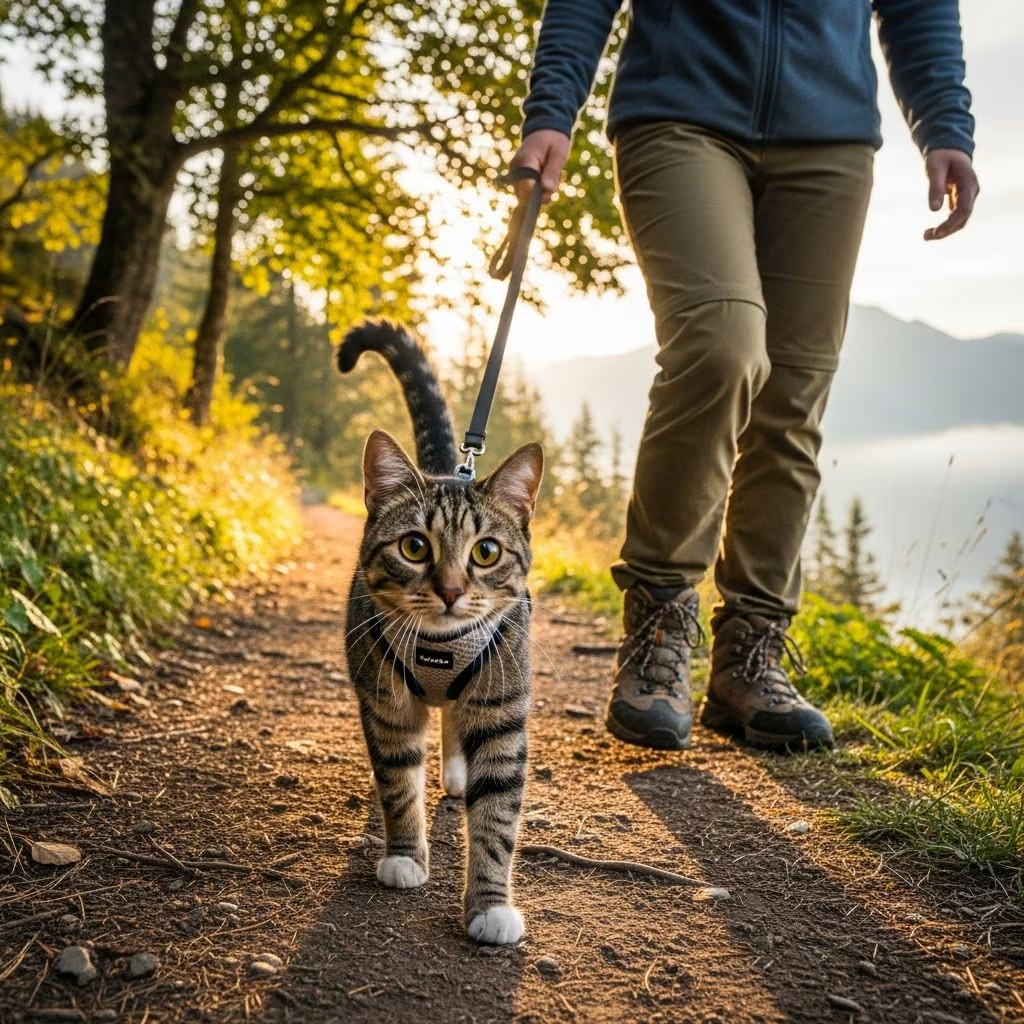
Hiking with a cat is an exhilarating way to bond with your feline companion while introducing them to the great outdoors. Not all cats suit hiking adventures, but with proper preparation, many can thrive on trails. This guide provides 10 vet-approved tips to ensure safe, enjoyable hikes for you and your cat.
Is Hiking with a Cat Right for You?
Before embarking on trails, assess your cat’s temperament. Cats that are curious, confident, and enjoy leash walks make ideal hiking partners. Indoor cats may need gradual acclimation to outdoor stimuli. Start with short backyard sessions to gauge interest. Benefits include exercise, mental stimulation, and strengthened owner-pet bonds, but risks like escapes or wildlife encounters require vigilance.
Veterinarians emphasize selecting cats with adventurous spirits, avoiding forcing reluctant pets into harsh conditions like extreme weather or steep scrambles. Proper training turns hesitant cats into trail enthusiasts.
The 10 Tips on How to Hike With a Cat
Follow these comprehensive, vet-recommended strategies to prepare your cat for hiking success.
1. Additional Vaccinations for Outdoor Cats
Outdoor exposure heightens disease risks. Ensure core vaccines (rabies, FVRCP) are current. Consult your vet for boosters like feline leukemia if not already protected. Leptospirosis or bordetella may be advised for wooded areas with wildlife. Pre-hike vet checks confirm fitness for exertion.
2. Flea and Tick Preventive—A Must-Have
Trails teem with parasites. Apply vet-recommended monthly topicals or collars (e.g., seresto) before hikes. Check fur post-trail for ticks, especially in grassy or forested spots. Preventives protect against Lyme disease and tapeworms transmitted by fleas.
3. Leash Up With a Harness, Not a Collar
Collars risk tracheal injury if cats bolt. Use adjustable cat-specific harnesses fitting snugly (two fingers under straps). Attach a 4-6 foot leash for control without restricting movement. Escape-proof models like martingale-style harnesses are ideal.
4. Train Your Cat to Wear a Harness and Walk on a Leash
Introduce harness indoors: let cat wear it for short periods with treats. Progress to leash dragging, then guided walks. Use clicker training for positive reinforcement. Practice daily for weeks; urban strolls build confidence before trails. Patience prevents stress.
- Day 1-3: Harness only, reward calm behavior.
- Day 4-7: Add leash, allow dragging.
- Week 2+: Short leashed walks indoors/outdoors.
5. Choose the Right Carrier or Backpack
For transport to trails or tired cats, use well-ventilated backpack carriers with secure zippers. Mesh windows allow visibility; padded straps ensure comfort. Practice carrier use at home to reduce anxiety. Backpacks double as shaded rest spots on hikes.
6. Pick Cat-Friendly Trails
Select beginner-friendly paths: short (under 2 miles), low-traffic, shaded with minimal elevation. Avoid steep cliffs, rushing water, or predator-heavy areas. Check park rules via PetFriendlyTravel.com—many limit leashes to 6 feet and ban pets from certain zones.
| Trail Type | Best For | Considerations |
|---|---|---|
| Flat Forest Paths | Beginners | Shade, low wildlife risk |
| Gentle Lakeside | Intermediate | Water access, scenic |
| Urban Parks | Training | Familiar smells, short loops |
7. Pack the Essentials for Your Hike
Essentials include: portable water bowl, collapsible food/water, treats, waste bags, first-aid kit (tweezers for ticks, antiseptic), ID collar/microchip verification, pheromone spray (Feliway), towel for cleanup. Carry extra harness/leash as backups.
- Water: 1 oz per lb of body weight per hour.
- Food: Small meals to prevent car sickness.
- Safety: Whistle, reflective gear for dusk hikes.
8. Monitor Weather and Temperature
Cats overheat above 85°F; paws burn on hot pavement. Hike early mornings or evenings in cool seasons. Provide shade, wet bandana for cooling. Avoid wind-driven rain or white-out conditions that stress felines. Check forecasts rigorously.
9. Watch for Wildlife and Hazards
Snakes, coyotes, or loose dogs pose dangers. Keep cat close; use deterrents like citronella. Scan for toxic plants (lilies, foxtails). Post-hike, inspect for injuries or parasites. Urban walkers face traffic risks.
10. Know When to Turn Back
Signs to abort: excessive panting, hiding, aggression, limping. Respect cat’s limits—better short happy hikes than forced marathons. Hydrate frequently; rest often. Vets warn against pushing pets in inclement weather.
Health and Safety Considerations
Motion sickness affects some cats: symptoms include drooling, vomiting. Desensitize with short drives pairing carriers with treats. Pheromones calm nerves. Microchipping and ID tags are crucial if escapes occur. Pre-hike vet exams rule out heart/lung issues.
Post-hike, monitor for lethargy or wounds. Gradually return to routine to ease re-entry stress.
Adventure Cat Success Stories
Many owners share YouTube/Instagram tales of cats summiting peaks or beach saunters. Sites like AdventureCats.org offer training resources. Start slow: indoor harness to neighborhood walks to trails. Celebrities like Dr. Lauren’s cats Pancake and Tiller prove felines conquer outdoors safely.
Frequently Asked Questions (FAQs)
What gear do I need to hike with my cat?
Essential gear: properly fitted harness, short leash, backpack carrier, preventives, water/food bowls, first-aid kit, and ID/microchip.
Can all cats learn to hike?
No, only confident, leash-trained cats. Assess temperament; train gradually. Indoor-only cats may never adapt.
How do I prevent my cat from escaping on a hike?
Use escape-proof harnesses, keep leash short, avoid letting them off-leash. Practice recall commands.
Is it safe to hike with a kitten?
Wait until 6 months post-full vaccinations; start with very short, easy trails.
What if my cat gets car sick en route?
Desensitize with short trips, use pheromone sprays, medicate if vet-approved, feed lightly beforehand.
Conclusion: Embrace Safe Adventures
Hiking with your cat fosters unbreakable bonds amid nature’s beauty. With these 10 tips, vet guidance, and realistic expectations, your feline can become a true adventure cat. Prioritize welfare over social media glory—happy trails await!
References
- How to Travel with Your Cat — Dr. Jean Hofve, Little Big Cat. 2022-12-05. https://littlebigcat.com/how-to-travel-with-your-cat/
- Please Don’t Force Your Cat Up a Mountain — Dr. Lauren, Catster. N/A. https://www.catster.com/felines-weekly/please-dont-force-your-cat-up-a-mountain/
- Hiking With a Cat: If It Is Possible & Vet-Approved Tips — Catster. N/A. https://www.catster.com/lifestyle/hiking-with-a-cat/
- How to Hike With a Cat: 10 Vet Approved Tips — Catster. N/A. https://www.catster.com/lifestyle/how-to-hike-with-a-cat/
- How to Take Your Cat for a Walk — Lincoln Pet Culture. 2019-01-28. https://lincolnpetculture.wordpress.com/2019/01/28/how-to-take-your-cat-for-a-walk/



