

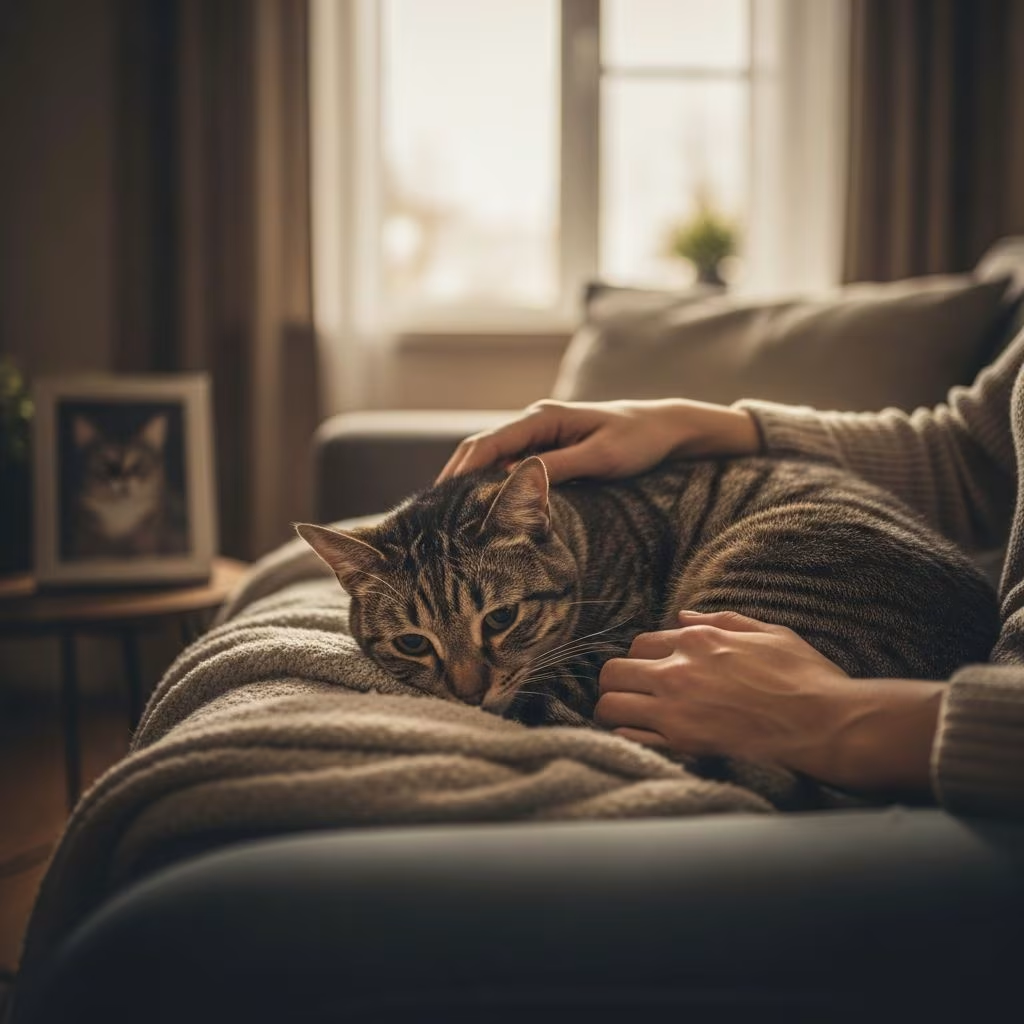
How to Help Your Grieving Cat Through Loss
The loss of a beloved pet is one of the most difficult experiences any pet parent can face. While we often focus on our own grief, it’s easy to overlook the fact that our feline companions may also be grieving. Cats form deep bonds with their human families and with other pets in the household, and the sudden absence of a companion can leave them confused, anxious, and emotionally distressed. If you’ve recently lost a pet or family member, understanding how to support your grieving cat is essential for helping them navigate this challenging time.
Understanding Feline Grief
Many pet parents are surprised to learn that cats do indeed experience grief and mourning. Cats are sensitive creatures that notice changes in their environment and routines, and they form meaningful attachments to their companions and caregivers. When a cat loses a close companion or family member, they may exhibit signs of distress that manifest in various ways.
Common Signs Your Cat is Grieving
Recognizing the signs of grief in your cat is the first step toward providing appropriate support. Grieving cats often display behavioral and physical changes, including:
- Decreased Appetite: Your cat may eat significantly less than usual, showing little interest in their favorite foods or treats.
- Changes in Sleep Patterns: Your grieving cat may sleep more than usual or seek out new, isolated sleeping spots where they feel safe and secure.
- Lethargy and Reduced Activity: Your cat may lack energy and show less interest in play or interaction, preferring to rest quietly.
- Excessive Vocalizing: Some cats become more vocal when grieving, meowing or howling more frequently than normal.
- Increased Aggression: Your cat may display uncharacteristic aggression or irritability, lashing out at other pets or family members.
- Separation Anxiety: Your cat may panic when you leave the house, pacing anxiously or vocalizing at the door.
- Searching Behavior: Your cat may search the house for their deceased companion, appearing disoriented or confused about where they’ve gone.
- Pacing and Restlessness: Grieving cats often pace around the house, unable to settle or find comfort.
Creating a Supportive Environment for Your Grieving Cat
Maintain Their Routine
One of the most powerful things you can do for your grieving cat is to maintain their established routine as much as possible. Cats thrive on consistency and predictability, and maintaining their regular feeding schedule, playtime, and bedtime rituals can provide a crucial sense of security during this turbulent time. When their world feels unstable due to the loss of a companion, a familiar routine becomes an anchor that helps them feel safe. Keep feeding times consistent, maintain regular play sessions, and preserve their sleeping arrangements. This sense of normalcy can be incredibly comforting to a grieving cat.
Preserve Familiar Scents and Belongings
If your cat has lost a companion, the sudden absence of their scent can be deeply distressing. While you may be tempted to quickly remove the deceased cat’s belongings, consider leaving some items in place and removing them gradually over time. Cats rely heavily on scent to understand their environment, and the familiar smell of their companion can provide comfort during the grieving process. Leave your late cat’s bed, toys, and other belongings around the house for a while, removing them one at a time as your cat adjusts. This gradual approach helps your cat process the loss more easily than a sudden, complete removal of all reminders.
Provide Extra Attention and Affection
Grieving cats need extra love and attention from their human family members. Spend more quality time with your cat, offering gentle petting, soft talking, and cuddles. Let them know they are not alone during this difficult transition. Make eye contact, stroke their fur, and engage in their favorite activities. Offer their favorite treats or foods as a special pick-me-up. This extra affection reinforces that they are loved and valued, which can help ease their emotional distress.
Create a Safe Space
Your grieving cat needs a secure place where they can retreat when they need solitude. Provide a cozy corner with their favorite bedding, toys, and blankets. This safe space should be quiet and away from household chaos, allowing your cat to process their emotions in a peaceful environment. While it’s important to give your cat space to grieve, ensure they still have access to food, water, and the litter box. Respecting their need for solitude while remaining available for comfort strikes the right balance.
Engaging Your Grieving Cat with Activities and Stimulation
Encourage Play and Interactive Activities
While it’s natural for a grieving cat to withdraw, engaging them in play can help lift their spirits and distract them from their sorrow. Encourage interactive play sessions and invest in new toys to spark their interest. Play with your cat to the point of exhaustion—approximately 20 minutes or until they’re too tired to continue. This not only provides physical exercise but also offers mental stimulation and emotional relief. Toys with feathers, strings, and interactive elements can reignite your cat’s hunting instincts and sense of joy.
Introduce Puzzle Feeders and Food Games
Puzzle feeders and food-based games can provide both mental stimulation and a fun distraction. Instead of simply placing food in their bowl, hide small portions around the house and encourage your cat to “hunt” for their meals. This taps into their natural predatory instincts and makes feeding time more engaging. Start clicker training your cat, which provides mental enrichment and strengthens your bond. These activities engage your cat’s mind and help redirect their attention away from their grief.
Create an Exploration Box
A simple yet effective way to engage your grieving cat is to create an exploration box. Fill a large cardboard box with crinkly paper, fresh catnip, treats, toys, sticks from outside, leaves, flowers, and other interesting items from nature and around your home. Change the contents daily, removing old items and adding new ones. This gives your cat novel things to smell, explore, and “hunt,” providing engaging entertainment. The exploration box serves as a stimulating activity that can occupy your cat’s attention and provide enrichment during the grieving period.
Install Entertainment Options
Provide your cat with multiple entertainment options to keep them engaged throughout the day. Stream “Cat TV” on your television—videos specifically designed for cats featuring birds, squirrels, and other animals in natural settings. For an even better experience, install a suction cup bird feeder on a window so your cat can watch real birds throughout the day. Window perches allow your cat to observe outdoor activity, which provides natural mental stimulation and can have a calming effect.
Managing Behavioral Changes
Addressing Separation Anxiety
If your grieving cat develops separation anxiety, panicking when you leave the house, address this through gradual desensitization and counterconditioning. Practice leaving for short periods and returning consistently to reassure your cat that you won’t abandon them. Gradually extend the duration of your absences as your cat becomes more confident. Avoid making a big fuss when leaving or arriving home, as this can reinforce anxious behavior. With patience and consistency, your cat can learn that your departures are temporary and that you will return.
Managing Excessive Vocalization
Some grieving cats vocalize excessively, meowing or howling more than usual. While this behavior is difficult to tolerate, try not to respond to it, as attention—even negative attention—can reinforce the behavior. Instead, ignore excessive vocalization and redirect your cat’s attention by calling them to you for play or treats. Reward them when they respond and comply. This positive reinforcement helps break the cycle of excessive vocalization without ignoring your cat’s emotional needs.
Handling Increased Aggression
Some cats become more aggressive when grieving, lashing out at other pets or family members. Try to understand that this aggression is a manifestation of stress and fear rather than malice. In some cases, medication prescribed by your veterinarian may help reduce aggression while your cat adjusts. Consult with your vet if aggression becomes a significant concern. Provide your cat with outlets for their stress, such as climbing structures, scratching posts, and interactive play.
Adding Relaxation and Calming Measures
Use Cat-Specific Music and Calming Aids
Music for Cats was developed by scientists specifically for feline hearing and relaxation. Streaming this calming music while you brush your cat or spend quiet time together can create a soothing atmosphere. Pheromone plugins like Feliway can also help reduce stress and anxiety. These plugins release synthetic feline pheromones that mimic the calming scents cats naturally produce, creating a sense of security and well-being. Install one plugin per 500 square feet or per floor of your home for optimal effectiveness.
Offer a Spa Day Experience
Give your grieving cat a spa day for relaxation and bonding. Spend time gently brushing your cat, offering soft petting and soothing touches while playing calming music. This combination of gentle physical contact, calming sounds, and your presence can help your cat feel loved and supported. The act of brushing also provides a grooming service that many cats find comforting.
Maintain a Calm Household
Cats are highly sensitive to their environment, so maintain a calm household during this difficult period. Keep noise levels down, avoid major household changes or disruptions, and create a peaceful atmosphere. Limit the number of visitors and household activities that might stress your already-grieving cat. This calm environment helps alleviate their stress and provides stability during the grieving process.
Introducing a New Pet
Taking Your Time with New Introductions
If you’re considering adding a new pet to your household, wait until your cat has had sufficient time to process their loss. There’s no strict timeline—every cat grieves differently—but rushing to introduce a new companion too quickly can compound your cat’s emotional distress. When you do decide to bring in a new pet, introduce them gradually and carefully. Allow your grieving cat time to adjust before making any major changes to their environment. This thoughtful approach helps ensure a smoother transition for everyone involved.
When to Seek Professional Help
While most cats gradually adjust to loss with time and support, some may need professional assistance. If your cat’s grief symptoms persist for an extended period, if they refuse to eat, or if behavioral issues become unmanageable, consult with your veterinarian or a feline behaviorist. Your vet can rule out medical issues, prescribe medication if necessary, and refer you to specialized resources to help your cat through their grief.
Frequently Asked Questions About Grieving Cats
Q: How long does it take for a cat to grieve?
A: The timeline for feline grief varies significantly depending on the individual cat and the strength of their bond with the deceased companion. Some cats may show significant improvement within a few weeks, while others may take several months to fully adjust. Each cat processes loss at their own pace, and there’s no “right” timeframe for grief.
Q: Should I remove my deceased cat’s belongings immediately?
A: No, it’s better to remove your cat’s belongings gradually. Leave items like beds, toys, and blankets in place for a while, removing them one at a time as your surviving cat adjusts. This gradual approach helps your cat process the loss more gently than sudden removal of all reminders.
Q: Can I get a new cat to help my grieving cat?
A: While a new companion might eventually help, introducing a new cat too quickly can compound your existing cat’s grief. Wait until your cat has had adequate time to process their loss—typically several weeks to months—before introducing a new pet. When you do, make the introduction gradual and careful.
Q: What should I do if my grieving cat stops eating?
A: If your cat experiences a significant decrease in appetite that lasts more than a few days, consult your veterinarian. While some appetite reduction is normal during grief, prolonged refusal to eat can indicate a medical issue or severe emotional distress requiring professional intervention.
Q: How can I help my cat with separation anxiety caused by loss?
A: Use gradual desensitization by practicing short departures and returning consistently. Avoid making departures and arrivals a big production. Over time, your cat will learn that your absences are temporary and that you will return, reducing their anxiety.
Q: Is it normal for my cat to become aggressive after losing a companion?
A: Yes, some cats display increased aggression when grieving, as this is a stress response. Provide outlets for their stress through play and climbing structures. If aggression becomes severe, consult your veterinarian about behavioral support or medication options.
References
- Do Cats Mourn? — VCA Animal Hospitals. 2025. https://vcahospitals.com/know-your-pet/do-cats-mourn
- Grief in surviving pets — Cats Protection. 2025. https://www.cats.org.uk/what-we-do/grief/advice/grief-guidance-resources/grief-in-surviving-pets
- How to Help a Grieving Cat — Cattitude Adjustment Blog. 2025. https://www.cattitude-adjustment.com/blog/how-to-help-a-grieving-cat
- Helping Your Cat Cope with Grief: Navigating the Loss of a Sibling Pet — Heartstrings Pet Hospice. 2025. https://heartstringspethospice.com/pet-grief-and-cat-grief/
- Do Cats Experience Grief? — Jackson Galaxy. 2025. https://www.jacksongalaxy.com/blogs/news/do-cats-experience-grief



