

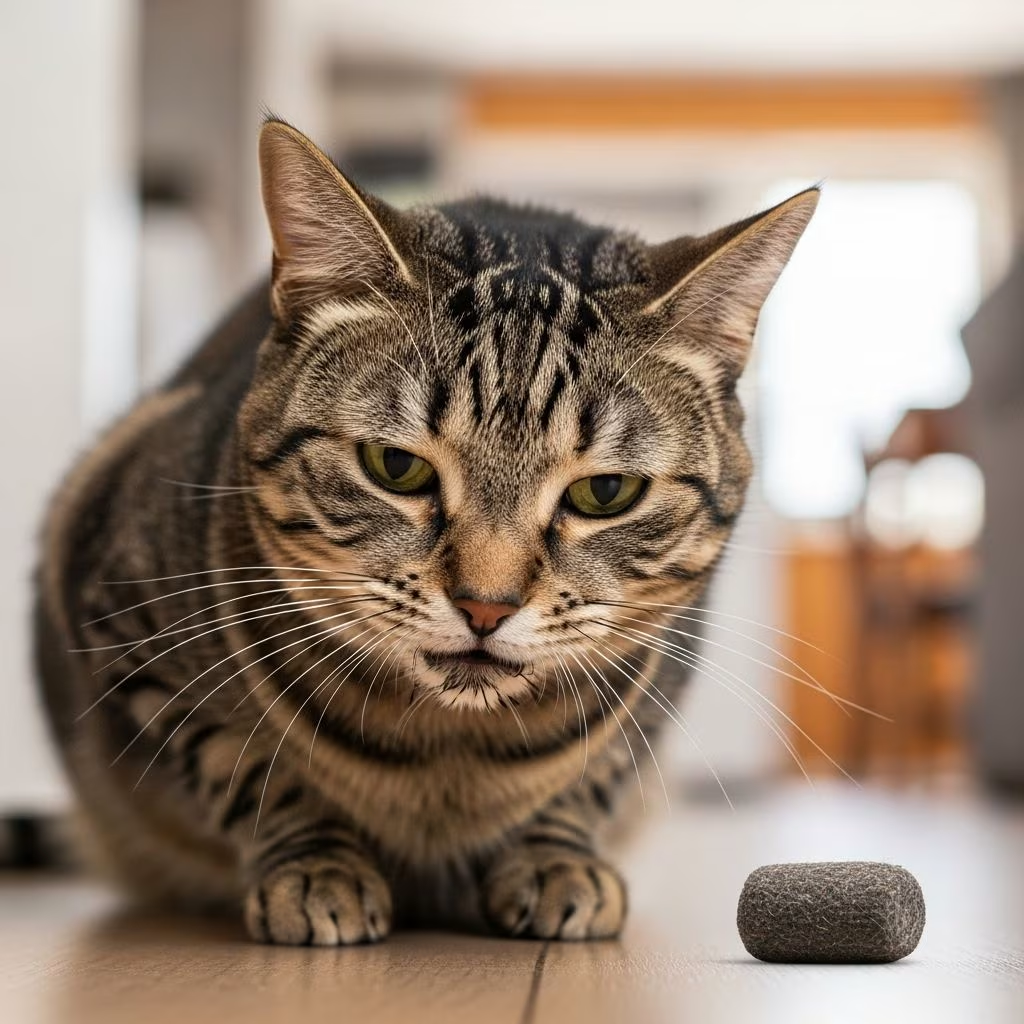
Hairballs are a common issue for cats due to their grooming habits, where they ingest loose fur that accumulates in the stomach. While occasional hairballs are normal, frequent or difficult passages can cause discomfort. This guide covers symptoms, safe remedies, prevention methods, and when to consult a vet, drawing from veterinary-recommended practices.
What Is a Hairball?
A hairball, or trichobezoar, forms when a cat swallows loose hair during self-grooming, which builds up in the stomach or intestines. Cats’ rough tongues act like combs, trapping fur that isn’t fully digested and expelled through feces. Most hairballs pass naturally via vomiting or stool, but larger ones may require intervention.
Short-haired cats typically experience hairballs less often than long-haired breeds, but all cats groom excessively, especially during shedding seasons in spring and fall. Understanding this process helps owners respond effectively.
Symptoms of Hairballs in Cats
Recognizing hairball symptoms early allows timely help. Common signs include:
- Retching or hacking: Cats make gagging sounds, crouching with head extended, often expelling a tubular mass of fur.
- Loss of appetite: Disinterest in food due to stomach discomfort.
- Lethargy: Reduced activity or hiding as the hairball causes nausea.
- Constipation: Straining in the litter box without results, as hair obstructs the intestines.
- Weight loss: Chronic issues leading to poor nutrient absorption.
If symptoms persist beyond 24-48 hours or include vomiting blood, diarrhea, or severe distress, seek veterinary care immediately, as it may indicate blockages or other conditions.
Why Do Cats Get Hairballs?
Cats groom to clean their coat and regulate body temperature, ingesting 10-20% of their hair daily. Factors increasing hairball risk include:
- Long or dense fur in breeds like Persians or Maine Coons.
- Heavy shedding from poor diet, allergies, or stress.
- Dehydration slowing digestion.
- Obesity limiting grooming reach, leading to matted fur.
Normally, minor hair passes through feces unnoticed, but excess forms compact masses. Seasonal shedding exacerbates this.
How to Help Your Cat Pass a Hairball
Safe home remedies can lubricate the digestive tract and promote passage. Always monitor and consult a vet first for underlying issues.
1. Over-the-Counter Hairball Remedies
Hairball-control gels like Laxatone act as lubricants, easing fur through the GI tract. Flavored with fish or poultry, cats lick them from a paw or directly. Administer 1-2 inches every 1-3 days as directed.
Petroleum-based pastes coat the stomach, preventing hair adhesion. Soft chews and treats offer similar benefits.
2. Dietary Adjustments
Switch to hairball-control foods high in fiber, such as Purina Pro Plan Hairball Control or Hill’s Science Diet Adult Hairball Control. These contain insoluble fiber to sweep hair through the system, plus fatty acids for skin health.
Increase wet food intake for hydration, aiding digestion. Add a teaspoon of plain canned pumpkin (not pie filling) daily for natural fiber.
3. Natural Remedies
Offer small amounts of oily fish like sardines or tuna in water to lubricate intestines. Fish oil supplements provide omega-3s, reducing shedding and promoting gut motility.
Digestive enzyme supplements with protease break down hair proteins. Use vet-approved options.
| Remedy Type | Examples | Benefits | Frequency |
|---|---|---|---|
| Gels/Pastes | Laxatone, petroleum jelly | Lubricates GI tract | 2-3x/week |
| Fiber Foods | Hill’s Science Diet, pumpkin | Moves hair through digestion | Daily |
| Oils | Fish oil, sardines | Reduces shedding, aids passage | Daily small dose |
| Enzymes | Protease supplements | Breaks down hair | As vet directs |
When to See a Vet for Hairballs
Not all hairballs pass easily. Contact a vet if:
- Hairball attempts exceed 2-3 times weekly.
- No passage after 48 hours with remedies.
- Signs of obstruction: bloating, no defecation, drooling.
- Accompanying issues like weight loss or bloody vomit.
Vets may use imaging, fluids, or laxatives. Surgery is rare but needed for intestinal blockages.
How to Prevent Hairballs in Cats
Prevention focuses on reducing ingested hair and improving digestion.
Regular Brushing
Brush daily for long-haired cats, 2-3 times weekly for short-haired. Use slicker brushes, Furminators, or grooming gloves to remove loose fur. Start sessions short with treats for acceptance.
Diet and Hydration
Provide constant fresh water; fountains encourage drinking. Feed hairball formulas or add fiber supplements. Wet food boosts moisture intake.
Environmental Tips
Reduce stress to minimize over-grooming. Routine vet checkups catch issues early.
- Monitor shedding seasons for extra care.
- Avoid sudden diet changes.
- Professional grooming for long coats.
Frequently Asked Questions (FAQs)
Are hairballs dangerous for cats?
Occasional hairballs are harmless, but frequent or obstructive ones can lead to malnutrition or blockages requiring vet intervention.
How often should I give hairball gel?
2-3 times per week for prevention; follow product dosing and vet advice to avoid digestive upset.
Can diet alone prevent hairballs?
Fiber-rich hairball foods help significantly, combined with grooming and hydration for best results.
Do all cats get hairballs?
Most do, especially groomers and shedders, but hairless breeds rarely.
Is pumpkin safe for cats?
Plain canned pumpkin (1 tsp daily) adds fiber safely; avoid sweetened varieties.
Long-Term Hairball Management
For chronic cases, vets recommend tailored plans including prescription diets, probiotics, or allergy testing. Track hairball frequency in a journal to identify triggers. Consistent routines yield noticeable reductions within weeks.
Owners report fewer incidents with combined brushing and remedies. Healthy coats from omega supplements further minimize issues.
References
- Cat Hairballs 101: How to Help — PetMD. 2023. https://www.petmd.com/cat/general-health/cat-hairballs-101-how-help
- 7 Cat Hairball Remedies & Cat Food: Which Ones Work? — Sploot Veterinary Care. 2023. https://www.splootvets.com/post/cat-hairball-remedies
- 3 Ways to Naturally Reduce Hairballs — PetPros. 2023. https://petpros.net/3-ways-naturally-reduce-hairballs/
- Minimizing Hairballs in Cats — ASPCA Pet Health Insurance. 2023. https://www.aspcapetinsurance.com/resources/minimizing-hairballs-in-cats/
- Dealing with Hairballs: Prevention and Treatment for Cats — Faithful Friends Veterinary Clinic. 2023. https://faithfulfriendsvetclinic.com/dealing-with-hairballs-prevention-and-treatment-for-cats/
- Hairballs in Cats: Causes, Symptoms, & Remedies — WebMD. 2023. https://www.webmd.com/pets/cats/what-to-do-about-hairballs-in-cats



