

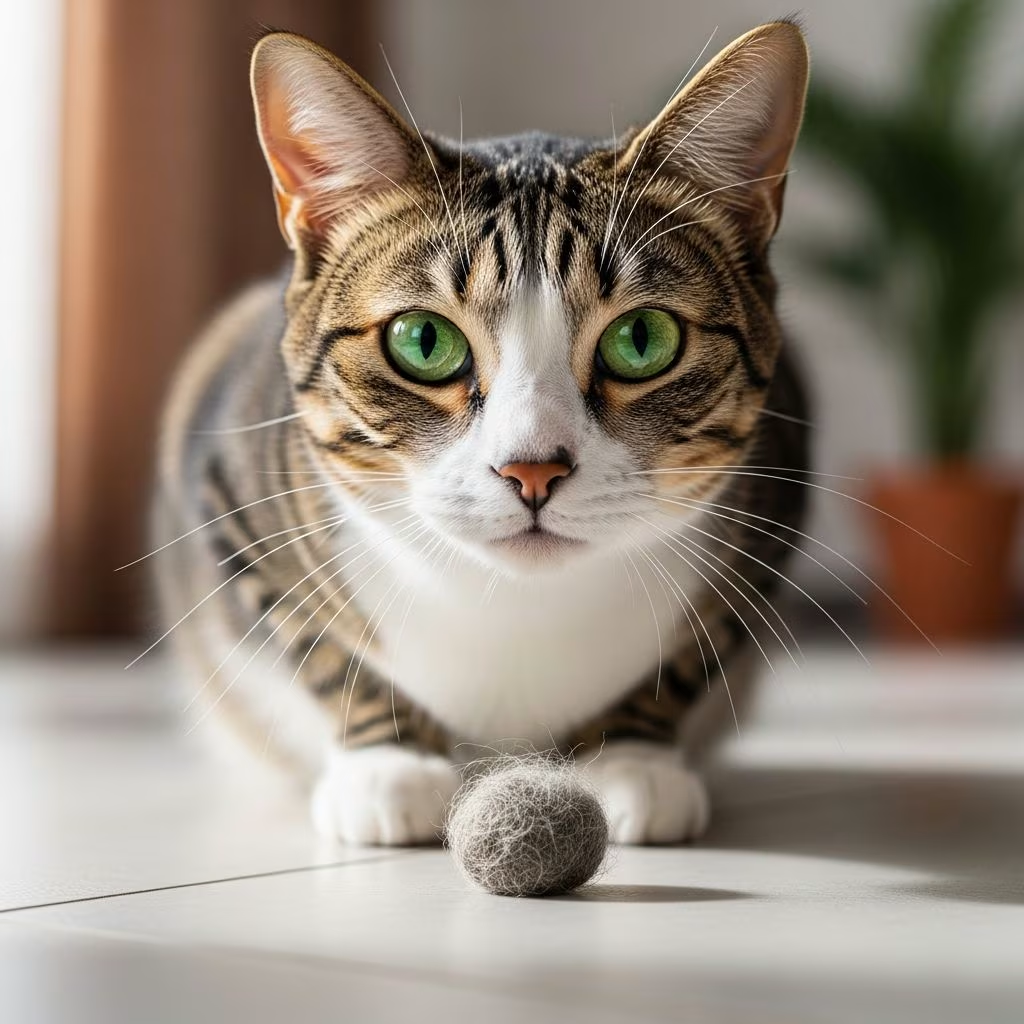
Cats are meticulous groomers, often swallowing loose fur that accumulates in their digestive system as hairballs, or trichobezoars. While occasional hairballs are normal, frequent or difficult passage can cause discomfort. This guide covers recognizing hairballs, safe remedies to help your cat pass them, prevention strategies, and when to seek veterinary care.
What Is a Hairball?
A **hairball** forms when a cat ingests hair during self-grooming, which builds up in the stomach or intestines. The cat’s digestive system tries to expel it via vomiting or feces, appearing as a tubular mass of fur, sometimes mixed with food or bile. Long-haired breeds like Persians and frequent shedders are most prone.
Hairballs differ from regular vomit: they are sausage-shaped, dry, and primarily fur. Normal frequency is 1-2 per month, but more may signal issues like allergies or parasites.
Signs Your Cat Has a Hairball
Watch for these common indicators:
- Retching or hacking with no vomit, often in the morning.
- Excessive grooming or lethargy.
- Loss of appetite, weight loss, or constipation.
- Visible cylindrical fur mass in vomit or stool.
- Distended abdomen or labored breathing if obstructed.
If symptoms persist beyond 24-48 hours or include blood, diarrhea, or weakness, contact a vet immediately to rule out blockages.
Is It Dangerous for Cats to Have Hairballs?
Occasional hairballs pose little risk, but chronic ones can lead to esophageal or intestinal blockages, dehydration, or nutrient malabsorption. Rare complications include gastric ulcers or megacolon. Long-haired cats and seniors face higher risks.
Vets note that while most resolve naturally, monitoring prevents escalation. Underlying conditions like hyperthyroidism or IBD may exacerbate issues.
How to Help Your Cat Pass a Hairball
Immediate relief focuses on lubrication, fiber, and hydration. Never force interventions; consult a vet for tailored advice.
1. Regular Brushing
**Brush daily** to remove loose fur before ingestion. Use slicker brushes for long hair, Furminators for undercoats. This reduces hairballs by up to 50% and strengthens your bond. Start slow for resistant cats.
2. Increase Hydration
Dehydration hinders passage. Provide fresh water via fountains—cats prefer running water. Switch partially to wet food for moisture. Aim for 3-4 oz per 5 lbs body weight daily.
3. Over-the-Counter Hairball Remedies
Gels like Laxatone lubricate the GI tract. Administer 1-3 times weekly; flavors encourage licking. Petroleum jelly on paws works similarly.
4. High-Fiber Foods and Supplements
Switch to **hairball control formulas** like Hill’s Science Diet or Purina Pro Plan, rich in insoluble fiber to sweep hair through. Add 1 tsp canned pumpkin daily—high in soluble fiber.
| Remedy | How It Helps | Dosage Example | Suitable For |
|---|---|---|---|
| Laxatone Gel | Lubricates intestines | 1 inch, 2-3x/week | All adults |
| Pumpkin | Adds bulk fiber | 1 tsp/day | Most cats |
| Hairball Food | Promotes motility | Full diet switch | Daily use |
| Fish Oil | Reduces shedding, lubricates | 250mg EPA/DHA daily | Shedders |
5. Natural Aids
Offer cat grass for fiber; digestive enzymes break down proteins in hair. Fish oil (salmon/sardine) nourishes coat and aids transit. Avoid excess to prevent diarrhea.
6. Professional Grooming
For long-haired cats, schedule trims every 6 months to minimize ingestion.
How to Prevent Hairballs in Cats
Prevention is key for long-term health:
- Daily grooming routine: 5-10 minutes prevents 70% of hairballs.
- Diet optimization: Hairball kibble/wet food with omega-3s.
- Weekly gels/supplements: Maintain lubrication.
- Hydration stations: Multiple bowls or fountains.
- Annual vet checks: Screen for contributors like fleas.
Seasonal shedders need intensified brushing in spring/fall.
When to See a Vet for Hairballs
Seek care if:
- Hairballs >2x/month.
- No passage in 48 hours with gagging.
- Weight loss, bloody vomit, or straining.
- Lethargy or refusal to eat.
Vets may use X-rays, ultrasounds, or laxatives. Surgery is rare but needed for blockages.
Hairball Control Cat Food Comparison
| Brand | Key Ingredients | Best For | Fiber % |
|---|---|---|---|
| Hill’s Science Diet | Vegetable fiber, omegas | Adults/Seniors | 4-5% |
| Purina Pro Plan | High fiber blend | Wet/Dry | 3-6% |
| Royal Canin | L.I.P. proteins | Long-haired | 4.5% |
Transition gradually over 7 days.
Frequently Asked Questions (FAQs)
Can hairballs cause death in cats?
Rarely, but untreated blockages can be fatal. Prompt vet care resolves most cases.
How often should cats pass hairballs?
1-2 times monthly is normal; more warrants intervention.
Is canned pumpkin safe for cats?
Yes, plain varieties aid digestion; 1 tsp daily max.
Do hairless cats get hairballs?
No, but they may from toys or litter ingestion.
What’s the best brush for hairballs?
Furminator for shedding, slicker for mats.
Conclusion
Helping your cat pass hairballs involves grooming, diet, and remedies, with prevention through routine care. Monitor closely and vet as needed for peace of mind.
References
- Cat Hairballs 101: How to Help — PetMD. 2023-05-15. https://www.petmd.com/cat/general-health/cat-hairballs-101-how-help
- 7 Cat Hairball Remedies & Cat Food: Which Ones Work? — Sploot Veterinary Care. 2024-02-20. https://www.splootvets.com/post/cat-hairball-remedies
- 3 Ways to Naturally Reduce Hairballs — PetPros. 2023-11-10. https://petpros.net/3-ways-naturally-reduce-hairballs/
- Minimizing Hairballs in Cats — ASPCA Pet Health Insurance. 2024-01-08. https://www.aspcapetinsurance.com/resources/minimizing-hairballs-in-cats/
- Hairballs in Cats: Causes, Symptoms, & Remedies — WebMD. 2023-09-22. https://www.webmd.com/pets/cats/what-to-do-about-hairballs-in-cats



