

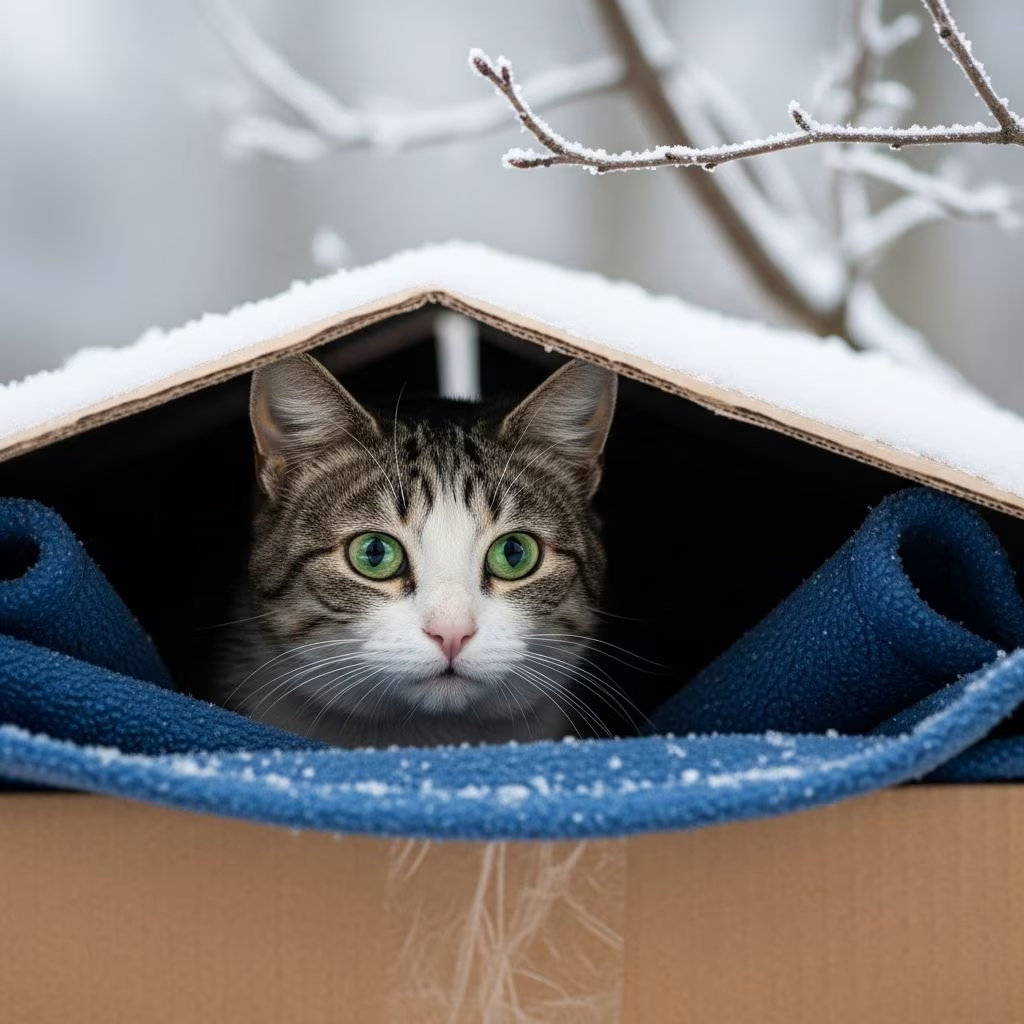
Winter poses severe threats to stray and feral cats, with freezing temperatures, snow, and ice endangering their lives. These resilient felines grow thicker coats and seek shelter, but extreme cold below 30°F (-1°C) demands human intervention for survival. Providing **warm shelters**, reliable food, and fresh water can make all the difference. This guide outlines 8 vet-approved strategies to help community cats thrive through the coldest months.
1. Provide Warm and Cozy Shelters
The cornerstone of winter aid is creating **insulated outdoor shelters** that shield cats from wind, rain, and snow. Stray cats instinctively huddle in groups for body heat, so design shelters accommodating multiple cats.
Simple, effective options include:
- Plastic storage bins or coolers: Use sturdy bins (e.g., Rubbermaid) with a lid. Cut a 6×6-inch entrance low on one side to deter larger animals while allowing easy cat access.
- Cardboard boxes (temporary): Layer with newspapers for insulation, elevate on pallets, and cover with plastic sheeting. Avoid long-term use as they degrade in wet conditions.
- Wooden crates or doghouses: Repurpose old structures, sealing gaps with plywood or foam.
Insulation essentials: Fill with **straw** (not hay or blankets)—straw repels moisture, stays dry, and nests naturally, unlike absorbent hay that molds or blankets that freeze when wet. Aim for 4-6 inches deep, leaving space for cats to curl up.
Placement tips:
- Elevate 2-3 feet off the ground on bricks or pallets to block ground moisture and predators.
- Position in wind-sheltered spots like near buildings or fences, slightly angled for runoff.
- Secure lids with bungee cords; prop for ventilation but secure against wind.
For added warmth, incorporate **SnuggleSafe microwaveable heat pads** under straw (covered to prevent burns) or Mylar emergency blankets between fleece layers. Monitor shelters weekly, cleaning out soiled straw to prevent disease.
2. Set Up Feeding Stations
Cold weather boosts cats’ metabolism by up to 50%, requiring **extra calories** to generate body heat. Establish **protected feeding stations** near shelters to minimize exposure time.
Key guidelines:
- Location: Quiet, covered areas like porches or under overhangs. Use off-ground platforms to keep food warmer.
- Containers: Deep, weatherproof ceramic or insulated bowls prevent tipping and freezing.
- Food choices: Prioritize high-protein dry kibble (less prone to freezing); supplement with warmed canned food for palatability and calories. Increase portions 20-30% in sub-freezing temps.
Avoid feeding inside shelters to prevent pests and mold. Feed at consistent times to build trust and routine.
3. Provide Access to Fresh Water
Dehydration risks rise in winter as natural sources freeze. Cats need **constant liquid water**; ice blocks lead to kidney strain.
- Bowls: Dark, thick plastic or ceramic absorbs sun heat; double-walled insulators excel.
- Anti-freeze methods: Refill 2-3 times daily with warm water. Use solar heaters, microwavable pads under bowls, or ping-pong balls to disrupt ice formation.
- Placement: Sunny spots near stations; separate from food to encourage drinking.
Never rely solely on snow—it’s calorie-intensive to melt internally.
4. Participate in Trap-Neuter-Return (TNR)
**TNR programs** stabilize populations humanely, reducing kittens born into winter peril. Trap cats, neuter/spay, vaccinate, ear-tip (universal feral ID), and return.
Benefits include healthier cats with less roaming/fighting, curbing disease spread like FIV/FeLV. Contact local rescues or Alley Cat Allies for support. TNR before breeding season prevents litters facing cold snaps.
5. Check for Owned Cats & Microchips
Not all “strays” are homeless—many have homes but get lost. **Scan for microchips** using apps like ScanAngel or call rescues with universal scanners.
Post found cat alerts on Nextdoor, Petco alerts, or shelters. Owned cats can return indoors; strays benefit from your aid.
6. Monitor Health and Provide Basic Care
Winter exacerbates issues like frostbite, hypothermia, or infections. Watch for limping, lethargy, or wounds.
- Consult vets for deworming/flea treatments safe for outdoors.
- Leave vet contact info at shelters for community help.
If a cat seeks indoor warmth and you can isolate it (e.g., garage), provide temporary shelter—but check for parasites first.
7. Insulate and Heat Shelters Safely
Beyond straw, use **safe heaters**:
| Method | Pros | Cons | Safety Notes |
|---|---|---|---|
| SnuggleSafe Pads | Warm 10+ hours | Microwave needed | Cover with straw; cat can move away |
| Solar Heaters | Free energy | Weather-dependent | No cords |
| Mylar Blankets | Reflects body heat | None | Layer under fleece |
| Outdoor Heated Pads | Constant warmth | Electricity risk | Use GFCI outlets; chew-proof |
Avoid direct heating pads without bedding or water bottles—they cool too fast and risk burns.
8. Build Community Support
One person can’t do it all—rally neighbors for shared stations, donate to TNR, or join groups like Best Friends Animal Society. Community efforts sustain year-round care.
Differences Between Stray and Feral Cats
| Aspect | Stray Cats | Feral Cats |
|---|---|---|
| Socialization | Former pets; approachable | Wild; skittish |
| Adoptability | High; indoor adjustable | Low; TNR preferred |
| Behavior | Meows, seeks contact | Hisses, hides |
Strays may enter homes; ferals need outdoor solutions.
Frequently Asked Questions (FAQs)
Q: How cold is too cold for outdoor cats?
A: Below 32°F (0°C), risks rise; under 20°F (-7°C) is dangerous without shelter. Kittens/pregnants suffer sooner.
Q: Can I use blankets in shelters?
A: No— they absorb moisture, freeze, and mold. Straw is superior.
Q: How often to feed winter strays?
A: Twice daily, larger portions for calorie needs.
Q: What if a stray wants inside?
A: Isolate in a bathroom/garage, vet-check for safety, then rehome.
Final Thoughts
Stray and feral cats endure harsh winters better than novices, but your aid—shelters, nutrition, TNR—boosts survival dramatically. Small actions save lives; consider fostering adoptable strays for permanent warmth. Together, we protect these community companions.
References
- How to Help Stray & Feral Cats Survive in Winter: 8 Vet-Approved Tips — Catster. 2023-12-01. https://www.catster.com/lifestyle/how-to-help-stray-cats-in-winter/
- Essential Tips for Assisting Feral and Stray Cats During Winter Months — Cats Matter. 2024-11-15. https://www.catsmatter.org/single-post/essential-tips-for-assisting-feral-and-stray-cats-during-winter-months
- How Do Outdoor Cats Survive Cold Winters? Vet-Verified Facts — Catster. 2024-10-20. https://www.catster.com/cat-health-care/how-do-outdoor-cats-survive-cold-winters/
- How to Help Outdoor Cats in Winter — Best Friends Animal Society. 2024-09-05. https://bestfriends.org/pet-care-resources/how-help-outdoor-cats-winter
- ASPCA: Community Cat Winter Safety Tips — ASPCA.org. 2024-12-10. https://www.aspca.org/news/keep-community-cats-safe-winter



