

How to Help Outdoor Cats in Winter: A Comprehensive Guide
Winter poses significant challenges for outdoor and community cats. While these resilient felines develop thicker coats to protect themselves from cold temperatures, they still require human assistance to survive harsh winter conditions safely. Community cats—ownerless cats living outdoors—are particularly vulnerable during freezing temperatures, heavy snow, and ice. By understanding their needs and taking proactive steps, you can make a meaningful difference in the lives of outdoor cats in your neighborhood.
Building an Effective Outdoor Cat Shelter
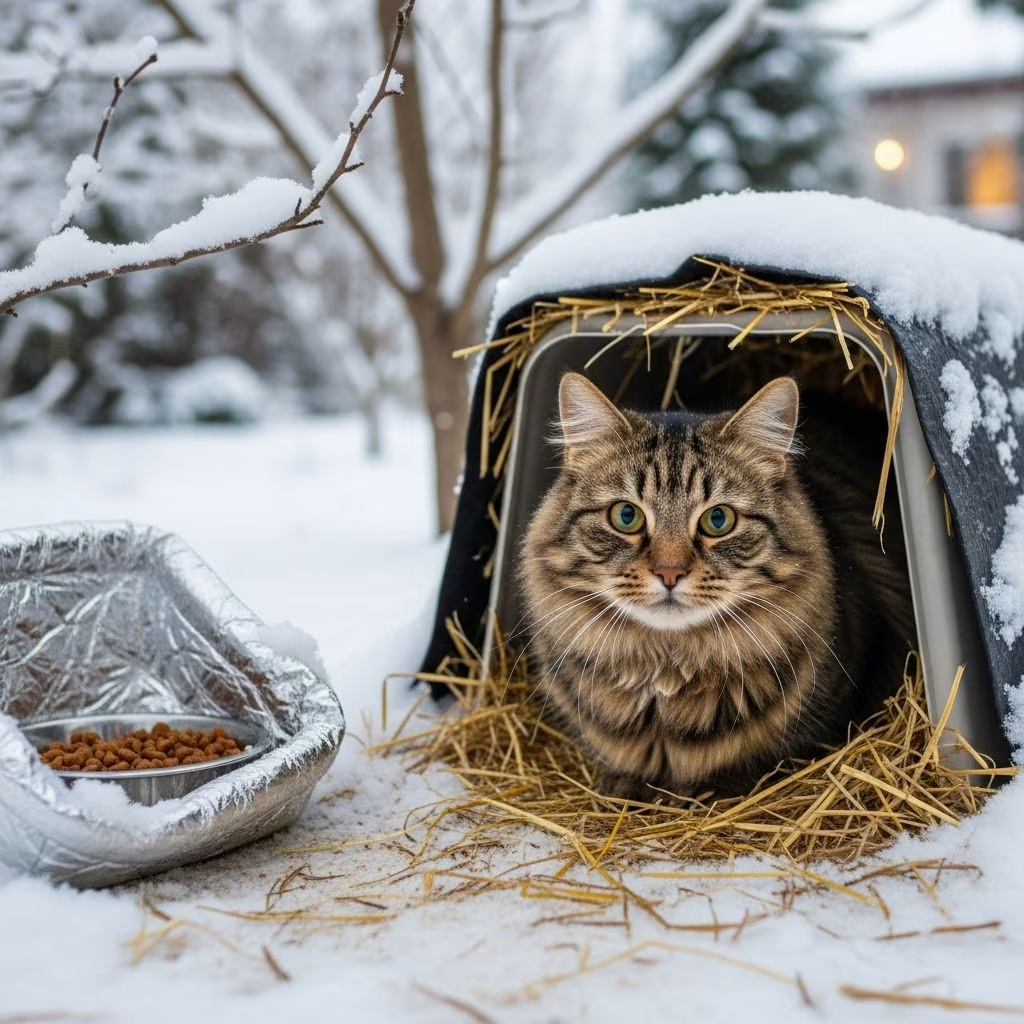
Creating a warm, dry shelter is one of the most important ways to help outdoor cats survive winter. A well-constructed shelter provides protection from wind, snow, and freezing temperatures while allowing cats to regulate their body heat.
Shelter Design and Structure
The foundation of a good outdoor cat shelter is choosing an appropriate size. The shelter should be large enough for a cat to turn around and curl up, but small enough to retain body heat effectively. Many people successfully use large Styrofoam coolers as the base for their cat houses, as they provide excellent insulation. If you’re building from scratch, ensure the structure has adequate protection from the elements.
For shelters exposed to rain, snow, and wind, place a piece of plywood over the top to create a roof. You can also create an awning using plastic, cardboard, and Gorilla Tape to direct water away from the entrance. Position the cat house on a pallet or similar platform to keep it elevated off the ground, which prevents moisture accumulation and keeps the interior dry and warmer.
Insulation Materials
Choosing the right insulation material is crucial for maintaining warmth inside the shelter. Straw is an excellent choice because it absorbs moisture better than fabric and allows cats to burrow into it for extra warmth. Straw is hollow and maintains its insulating properties even when exposed to elements, unlike hay, which absorbs moisture and becomes cold and soggy.
Alternative insulation options include fleece or fake sheepskin, available at fabric stores and easily cut to fit your shelter. You can also layer Mylar emergency blankets between fleece for enhanced insulation. Mylar is particularly useful in very cold climates because it reflects body heat back toward the cats. However, avoid using cotton fabrics like towels and sheets, as these materials retain moisture, freeze, and make the shelter dangerously cold.
For shelters in dry locations like garages, traditional towels, fleece, or commercial kitty beds work well. Regardless of your chosen material, check the shelter’s interior frequently to ensure it remains dry and replace any damp insulation immediately.
Adding Heating Elements
For extra warmth, consider providing an electric heating pad designed specifically for pets. Low-watt heated pet beds are available in various sizes and brands, with Lectro and K&H being popular choices for outdoor cat shelters. These heating pads can significantly improve comfort during extreme cold. Additionally, heated pet water bowls prevent food and water from freezing while ensuring cats remain hydrated throughout winter.
Feeding Outdoor Cats During Winter
Outdoor cats require more calories during winter to maintain body heat and survive harsh conditions. Establishing a reliable feeding routine and strategy is essential for their survival.
Designating a Feeding Area
Establish a specific feeding location so community cats know exactly where to find food. This reduces the time they spend wandering in cold weather searching for meals. Ideally, place the feeding station near the shelter to minimize travel distance. Protect the feeding area from rain and snow by creating a covered structure with a roof and walls. One effective method involves placing two shelters with their doorways facing each other, approximately two feet apart, then securing a wide board between the roofs to create a protective canopy for food and water bowls.
Food Selection and Preparation
Dry food is less likely to freeze than wet food, making it a practical choice during winter months. However, cats also need moisture in their diet, and wet food provides hydration that dry kibble cannot. If you choose to feed wet food, warm it slightly before serving to prevent it from freezing quickly. You can also spray insulation foam on the bottoms of dishes to keep food from freezing.
Increase portion sizes during winter since outdoor cats require extra calories to stay warm. Feed them larger amounts than you would during warmer seasons to ensure they have adequate energy reserves.
Keeping Water Accessible
Providing fresh water is challenging but critical during winter. Frozen water bowls are a common problem that can lead to dehydration in outdoor cats. Use several strategies to keep water from freezing:
Bowl Selection: Choose thick plastic water containers that are deep and wide, as they retain heat better than thin plastic or ceramic bowls. Double-layered bowls provide additional insulation from cold ground temperatures. Dark-colored bowls absorb sunlight more effectively, helping to keep water warmer.
Heating Solutions: Solar-powered water bowls use sunlight to maintain above-freezing temperatures. Place a heating pad that’s been warmed in a microwave underneath the water bowl to prevent freezing. In some areas, hand warmers placed between two bowls can maintain adequate warmth, or you can use a thermos to refresh bowls with warm water periodically.
Strategic Placement: Keep water bowls in sunny locations whenever possible to maximize solar warming. If water bowls are placed inside well-insulated shelters, away from the doorway, the cats’ body heat can help prevent freezing even if water does freeze temporarily.
Provide abundant water to ensure outdoor cats stay hydrated throughout winter, which is essential for their overall health and wellbeing.
Winter Safety Considerations for Outdoor Cats
Beyond shelter and nutrition, several safety hazards threaten outdoor cats during winter. Awareness and prevention are key to keeping community cats safe.
Vehicle Engine Safety
Outdoor cats often seek warmth by crawling into vehicle engine compartments or sleeping underneath cars. Before starting your engine, especially in neighborhoods where community cats live, check beneath your vehicle and tap your hood to alert any cats hiding there. This simple precaution can prevent tragic accidents.
Antifreeze Hazards
Antifreeze is highly toxic to cats, yet many felines are attracted to its sweet taste. Keep antifreeze containers securely stored where cats cannot access them, and clean up any spills immediately. Even small amounts of antifreeze ingestion can cause serious health problems or death in cats.
Snow and Ice Management
After snowfall, shovel clear pathways to cat shelters so felines can access their refuges. Snow accumulation can completely bury shelters, trapping cats inside or preventing access. Create clear walking routes that make it easy for cats to find and enter their shelters.
Avoid using ice-melting chemicals on sidewalks and driveways, as these substances are toxic to cats. Additionally, avoid using salt near cat shelters because it can damage and hurt their sensitive paw pads. If de-icing is necessary, use pet-safe alternatives or ensure treated areas are far from cat access.
Coat Care and Health Monitoring
Even though outdoor cats develop thicker winter coats, mats can form in their fur during cold months. These mats interfere with the coat’s insulating ability and cause discomfort by pulling on the skin. If possible, monitor outdoor cats’ coats and remove any mats you notice.
Advanced Winter Care Strategies
For those committed to comprehensive outdoor cat care, several advanced strategies can significantly enhance survival rates and wellbeing during winter.
Multiple Shelter Options
Consider providing multiple shelters throughout your feeding area or neighborhood. This gives cats backup options if one shelter becomes inaccessible or overcrowded. Different cats may also prefer different shelter locations.
Nutritional Planning
Work with experienced community cat caregivers to develop feeding schedules that ensure consistency. Cats rely on predictable food sources, especially during winter when natural prey is scarce. If possible, establish morning and evening feeding times to maximize the calories available to outdoor cats.
Community Involvement
Consider recruiting neighbors to share winter cat care responsibilities. Dividing shelter maintenance, feeding, and water bowl care among multiple people makes the effort sustainable and ensures cats receive consistent care even if one person cannot help temporarily.
Frequently Asked Questions About Winter Outdoor Cat Care
Q: Do outdoor cats really need help during winter?
A: Yes. While outdoor cats develop thicker coats for insulation, winter poses serious survival challenges including frostbite, hypothermia, and difficulty finding food and water. Human assistance significantly improves their chances of surviving winter safely.
Q: What is the best material for cat shelter insulation?
A: Straw is the ideal choice because it’s hollow, absorbs moisture better than fabric, and allows cats to burrow for warmth. Avoid hay, which becomes soggy and cold. Fleece, fake sheepskin, and Mylar emergency blankets are also effective alternatives.
Q: How can I prevent outdoor cat water from freezing?
A: Use dark-colored, thick plastic or double-layered bowls, solar-powered water bowls, heated pet dishes, or heated pads beneath bowls. Placing bowls in sunny locations and regularly refreshing water with warm liquid also helps prevent freezing.
Q: Is it safe to use heated pet beds in outdoor shelters?
A: Yes, when using heating pads specifically designed for pets. Low-watt heated beds by manufacturers like Lectro and K&H are safe and effective for outdoor cat shelters, providing extra warmth without safety risks.
Q: Should I feed outdoor cats more during winter?
A: Yes. Outdoor cats require significantly more calories during winter to maintain body heat. Increase portion sizes substantially and feed them larger quantities than during warmer months to ensure they have adequate energy.
Q: What should I do if I find a cat trapped under my car?
A: Approach slowly and gently. If the cat is friendly or can be safely coaxed out, direct it to shelter. If the cat is scared or feral, contact a local trap-neuter-return (TNR) program or animal rescue for assistance in safely capturing and caring for the cat.
Q: Can I use towels or blankets for shelter insulation?
A: Cotton towels and blankets should be avoided because they absorb moisture and freeze, making shelters dangerously cold. Instead, use straw, fleece, fake sheepskin, or Mylar emergency blankets that maintain insulating properties when wet.
Conclusion
Helping outdoor cats survive winter requires thoughtful planning, consistent effort, and a commitment to their wellbeing. By building insulated shelters, establishing reliable feeding stations, ensuring water access, and implementing safety precautions, you can dramatically improve the lives of community cats in your neighborhood. Winter survival for outdoor cats is achievable with proper care and resources, transforming harsh conditions into manageable challenges that these resilient animals can overcome with human support.
References
- How to Help Outdoor Cats in Winter — Best Friends Animal Society. 2024. https://bestfriends.org/pet-care-resources/how-help-outdoor-cats-winter
- How to Care for Outdoor Cats in Winter — Humane World for Animals. 2024. https://www.humaneworld.org/en/resources/how-care-outdoor-cats-winter
- Keeping Dogs and Cats Warm and Safe in Winter — Best Friends Animal Society. 2024. https://bestfriends.org/pet-care-resources/keeping-dogs-and-cats-warm-and-safe-winter
- Preparing for Winter: Shelter and Care for Outdoor Cats, Especially Seniors — Community Cats Podcast. 2024. https://www.communitycatspodcast.com/preparing-for-winter-shelter-and-care-for-outdoor-cats-especially-seniors/



