How to Help an Injured Wild Bird: Complete Guide
Learn how to safely rescue and care for injured wild birds with expert guidance.
How to Help an Injured Wild Bird: A Comprehensive Guide
Finding an injured wild bird can be distressing, but knowing how to respond properly can make a significant difference in the animal’s survival and recovery. Whether the bird has been hit by a vehicle, attacked by a predator, or injured in some other way, your immediate actions are crucial. This guide provides detailed instructions on assessing the situation, safely catching and handling the injured bird, and getting it to professional care as quickly as possible.
Understanding When a Bird Needs Help
Before attempting to catch a bird, it’s important to accurately assess whether the bird actually needs intervention. Not all birds that appear to be in distress require human assistance. Some birds, particularly fledglings, may seem grounded but are actually learning to fly and should be left alone. However, certain signs clearly indicate that a bird requires immediate professional care.
You should consider a bird injured and in need of rescue if you observe any of the following conditions:
- Visible bleeding or wounds
- The bird feels cold to the touch
- Eyes are closed or partially closed in a slit-like position
- The bird appears exhausted, dehydrated, or listless
- The bird looks lifeless or unresponsive
- The bird is unable to fly or having obvious difficulty flying
- The bird is in the mouth of a dog or cat
- The bird is caught in a fence or other entanglement
If you’re uncertain whether the bird is truly injured, contact a licensed wildlife rehabilitator immediately. They can often assess the situation over the phone and provide specific guidance based on your description of the bird’s condition and behavior.
Finding a Licensed Wildlife Rehabilitator
The most critical step in helping an injured wild bird is connecting with a licensed wildlife rehabilitator. These professionals have the specialized equipment, training, and legal authorization to provide proper medical care and rehabilitation to injured wildlife. Attempting to care for an injured bird yourself, regardless of good intentions, can actually harm the bird and may violate wildlife protection laws.
To find a rehabilitator in your area, search online for “wildlife rehabilitator near me” or contact your local animal control office, veterinary clinic, or wildlife agency. Keep a list of rehabilitators readily available so you can act quickly when needed. When you call a rehabilitator, confirm that they accept the specific species of bird you’ve found, as some may specialize in particular types of birds while others have a broader scope.
How to Catch an Injured Bird
Safely capturing an injured bird requires calm, deliberate movements and an understanding of different scenarios. The bird is already frightened and stressed, so minimizing additional trauma is essential. Here are detailed instructions for common situations:
Bird in the Mouth of a Dog or Cat or Caught in a Fence
Act quickly but carefully. Extricate the bird from the immediate danger as fast as you can while maintaining a secure grip. Try to hold the bird firmly to prevent it from escaping and causing additional injuries through frantic attempts to fly away. Once freed, proceed to the handling instructions below.
Bird on the Ground and Unable to Fly
Approach the bird slowly and quietly from behind. This reduces the bird’s sense of threat and prevents it from trying to escape. Move deliberately without sudden movements. When you’re close enough, reach down quickly and precisely. Without hesitation, place your hand around the bird’s shoulders with the wings folded against the body, and pick up the bird securely.
If this approach doesn’t work during daylight hours, try again in the early evening when it’s almost dark. Birds have reduced visibility in low light, which may make them less likely to panic and easier to catch.
Bird That Can Run, Walk, or Hop
For birds with more mobility, attempt to maneuver the bird into a corner or against a wall where it has limited escape options. This constrains the bird’s movement and gives you better positioning to catch it safely. Once cornered, use the same quick, deliberate grabbing technique described above.
Proper Handling Techniques
How you hold the bird during capture and transport is critical to preventing additional injury and maintaining control. Improper handling can cause broken bones, feather damage, or stress-related complications.
For Small Birds
Support the bird’s body and feet with one hand. The feet should not dangle but should rest just underneath the bird’s body in the palm of your hand. If the bird fits easily in your palm, place your other hand gently over the top of the bird, holding it securely but not tightly in both hands. Ensure there are no spaces between your hands where the bird could wiggle through and escape.
For Larger Birds
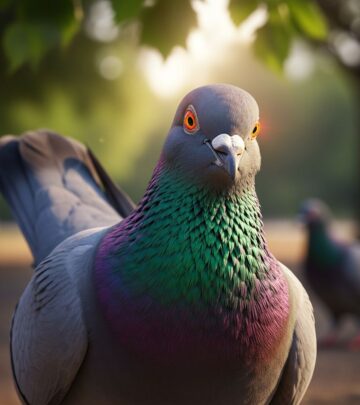
For larger birds such as pigeons, hold the bird in one hand as described above. Place your other hand around the shoulders of both wings, ensuring the wings remain folded in their normal resting position against the bird’s body. This prevents wing injuries and maintains control of the bird’s movement.
Important Handling Considerations
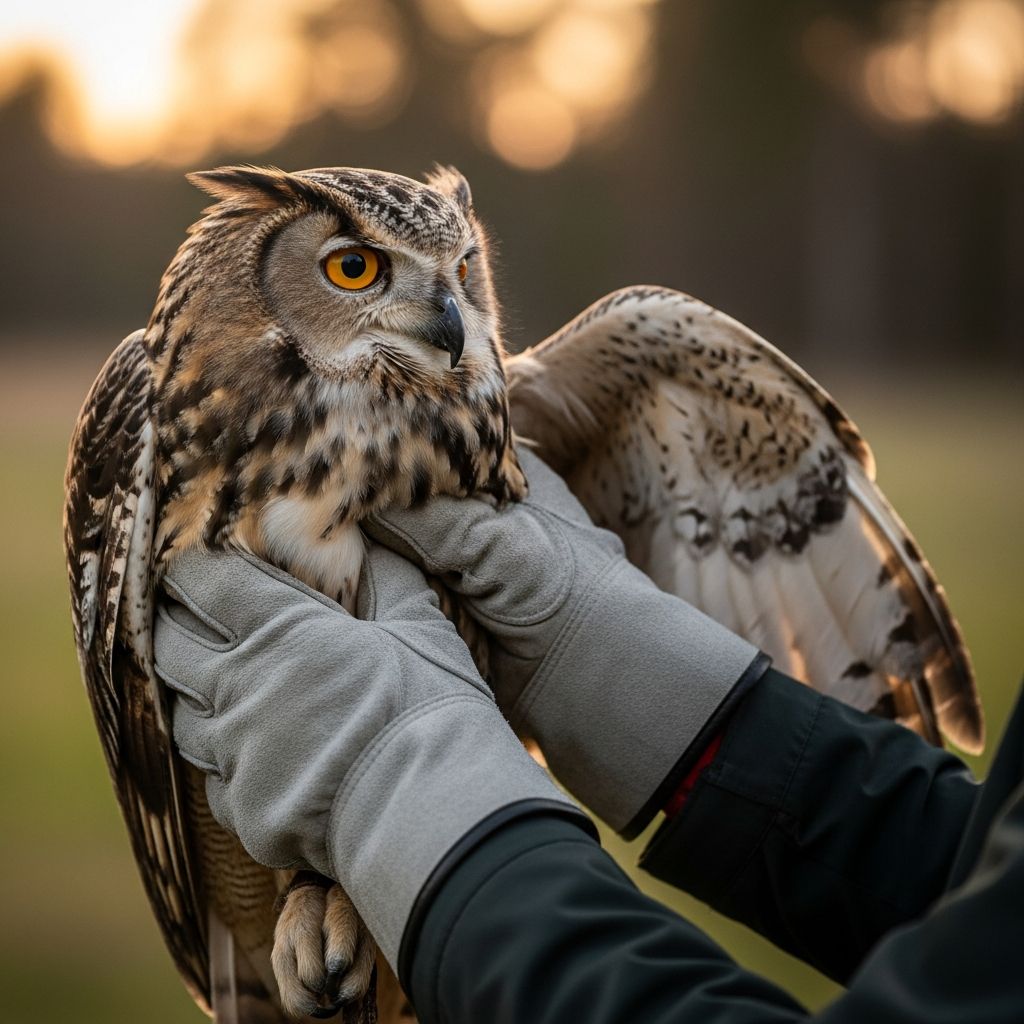
- Wear gloves if available to protect yourself from potential bites or scratches and to reduce disease transmission risk
- Minimize the time you hold the bird; the less handling, the less stress
- Remember that the bird is frightened and perceives you as a predator
- Move slowly and speak in calm, quiet tones
- Never squeeze the bird or restrict its breathing
- Avoid grabbing the bird by the legs or wings, as this can cause fractures
Preparing a Safe Transport Container
Once you’ve captured the injured bird, you need to safely contain it for transport to the rehabilitator. A properly prepared container will keep the bird secure while minimizing additional stress and injury.
Selecting the Right Box
Find a sturdy cardboard box with a removable or closable top. For most songbirds, a shoebox is an appropriate size. The box should be large enough for the bird to move slightly but small enough to limit excessive movement that could cause injury. Larger birds may require proportionally larger boxes.
Preparing the Interior
Line the bottom of the box with soft cloth material, but never use terry cloth. The loops in terry cloth can catch the bird’s beak or toes, causing injury. Instead, use a smooth cotton cloth such as a tea towel, a clean t-shirt, or several layers of paper towels.
On top of this cloth, roll a second small towel (also non-terry cloth) into a doughnut shape. This nest-like structure provides support for the injured bird. However, if the bird doesn’t remain in the nest, that’s perfectly acceptable; the important thing is that the nest is available for support.
Creating Air Holes
Before placing the bird in the box, make several small air holes in the top of the cardboard box. Each hole should be approximately the diameter of a pencil. Multiple small holes are preferable to a few large holes, as they provide adequate ventilation while preventing the bird from attempting to escape. Make all air holes before placing the bird inside the box.
Placing the Bird and Sealing the Box
Carefully place the bird inside the prepared box. Be extremely cautious that the bird does not escape during this process. Even an injured bird may unexpectedly regain flight capability. Once the bird is secure inside, promptly tape the box shut. Inspect the entire box for any cracks or gaps where the bird could squeeze through and escape.
Adding Heat
Injured birds often experience shock and hypothermia, so maintaining appropriate body temperature is essential for survival. If you have a heating pad, set it on low and place a towel over it. Set the box with the bird on top of the heating pad. An ideal temperature for an injured songbird is approximately 85 degrees Fahrenheit. This gentle heat helps stabilize the bird’s condition while you transport it to professional care.
Immediate Care Before Transport
Once the bird is secured in the transport box, your focus should shift to getting the bird to a wildlife rehabilitator as quickly as possible. However, there are a few important considerations during this waiting period:
- Keep the bird in a quiet, secure room: If you need to hold the bird temporarily before transport, place it in a closed room with minimal furniture and no access for pets or children. This prevents the bird from escaping into difficult-to-reach places if it escapes from your control.
- Do not attempt to feed or give water: Without proper training, attempting to feed or hydrate an injured bird can cause additional harm. The professional rehabilitator will provide appropriate nutrition and hydration.
- Minimize disturbance: Keep activity and noise levels low around the bird to reduce stress.
- Do not delay transport: The sooner the bird reaches professional care, the better its chances of survival and recovery.
Transporting the Bird to a Rehabilitator
Transportation should be completed as quickly as possible, ideally within one hour of capture. Proper transport conditions maintain the bird’s stability and prevent additional injury.
Before You Transport
Contact the wildlife rehabilitator before leaving with the bird to confirm they are available and that they accept the bird species you’ve rescued. Often you’ll need to leave a message, but expect a callback within approximately 30 minutes. Ask about their hours and any specific instructions for drop-off. If they don’t accept your bird species, ask for referrals to rehabilitators who do.
During Transport
Follow these guidelines while transporting the bird:
- Keep the box out of direct sunlight: Excessive heat can cause distress and worsen shock.
- Avoid air conditioning blasts: If you need air conditioning to maintain the ideal temperature of 85 to 90 degrees Fahrenheit, protect the bird from direct air streams. The bird should maintain consistent temperature without direct exposure to cold air.
- Position the box securely: Keep the box stable during driving to prevent it from shifting or tipping.
- Provide quiet conditions: Keep noise levels low in the vehicle. Soft, soothing music at very low volume is acceptable, but loud noise increases the bird’s stress.
- Avoid disturbances: Don’t open the box or disturb the bird during transport.
- Drive carefully: Smooth, deliberate driving prevents sudden jolts that could cause additional injury.
What to Expect at the Rehabilitator
When you arrive at the wildlife rehabilitation facility, staff will take over the bird’s care immediately. They will assess the bird’s injuries, provide emergency medical treatment if necessary, and develop a rehabilitation plan. Depending on the severity of the injuries and the bird’s response to treatment, the bird may be released back into the wild once fully recovered, or unfortunately, humane euthanasia may be recommended if injuries are severe and recovery is unlikely.
Legal Considerations
It’s important to understand that in most jurisdictions, wild birds are protected by law. Only licensed wildlife rehabilitators are legally authorized to care for injured or orphaned wildlife. Keeping a wild bird without proper permits, even with good intentions, is typically illegal. By contacting a professional rehabilitator, you ensure the bird receives legal, appropriate care while remaining in compliance with wildlife protection laws.
Safety Precautions for You
While helping an injured bird, remember to protect yourself as well:
- Wear gloves to protect against bites, scratches, and potential disease transmission
- Wash your hands thoroughly after handling the bird
- Avoid direct contact with the bird’s face and beak
- Be aware that wild birds may carry parasites or disease
- If you have an open wound, avoid direct contact with the bird
Frequently Asked Questions
Q: What should I do if I find a baby bird on the ground?
A: First determine if the bird is a nestling (mostly featherless) or a fledgling (mostly feathered). Nestlings should be returned to their nest if possible. For fledglings, leave them alone unless they’re injured or in immediate danger. Contact a rehabilitator if you’re unsure.
Q: Can I keep an injured bird until it recovers?
A: No. Only licensed wildlife rehabilitators are legally permitted to care for injured birds. They have the specialized training, equipment, and legal authorization necessary for proper rehabilitation.
Q: How long does bird rehabilitation typically take?
A: Recovery time varies greatly depending on the severity of injuries and the bird species. Some birds may be released within weeks, while others may require months of care.
Q: What if the bird seems to recover on its own?
A: Even if a bird appears to recover, it may have internal injuries or infections not visible to the untrained eye. Professional assessment is still recommended to ensure the bird is truly fit for release.
Q: Can I give the bird water or food?
A: No. Improper feeding or hydration can cause serious harm. Wait for professional care rather than risk additional injury.
Q: What if I can’t find a rehabilitator?
A: Contact your local animal control office, veterinary clinic, or state wildlife agency for referrals. Most areas have at least one licensed rehabilitator serving the region.
Conclusion
Discovering an injured wild bird presents an opportunity to make a meaningful difference in an animal’s life. By following these guidelines—accurately assessing the bird’s condition, carefully capturing and handling the animal, properly preparing a transport container, and quickly connecting the bird with a licensed wildlife rehabilitator—you provide the injured bird with the best possible chance for recovery and eventual release back into the wild. Your compassion combined with professional expertise creates the ideal outcome for injured wildlife.
References
- How to Help an Injured Wild Bird — Best Friends Animal Society. Accessed 2025. https://bestfriends.org/pet-care-resources/how-help-injured-wild-bird
- Find a Baby Bird? How to Help — Best Friends Animal Society. Accessed 2025. https://bestfriends.org/pet-care-resources/find-baby-bird-how-help
- Wildlife Rescue: How to Help Orphaned or Injured Animals — Best Friends Animal Society. Accessed 2025. https://bestfriends.org/pet-care-resources/wildlife-rescue-how-help-orphaned-or-injured-animals
- Wildlife Rescue: Safety Precautions — Best Friends Animal Society. Accessed 2025. https://bestfriends.org/pet-care-resources/wildlife-rescue-safety-precautions
Similar Articles






Read full bio of medha deb