

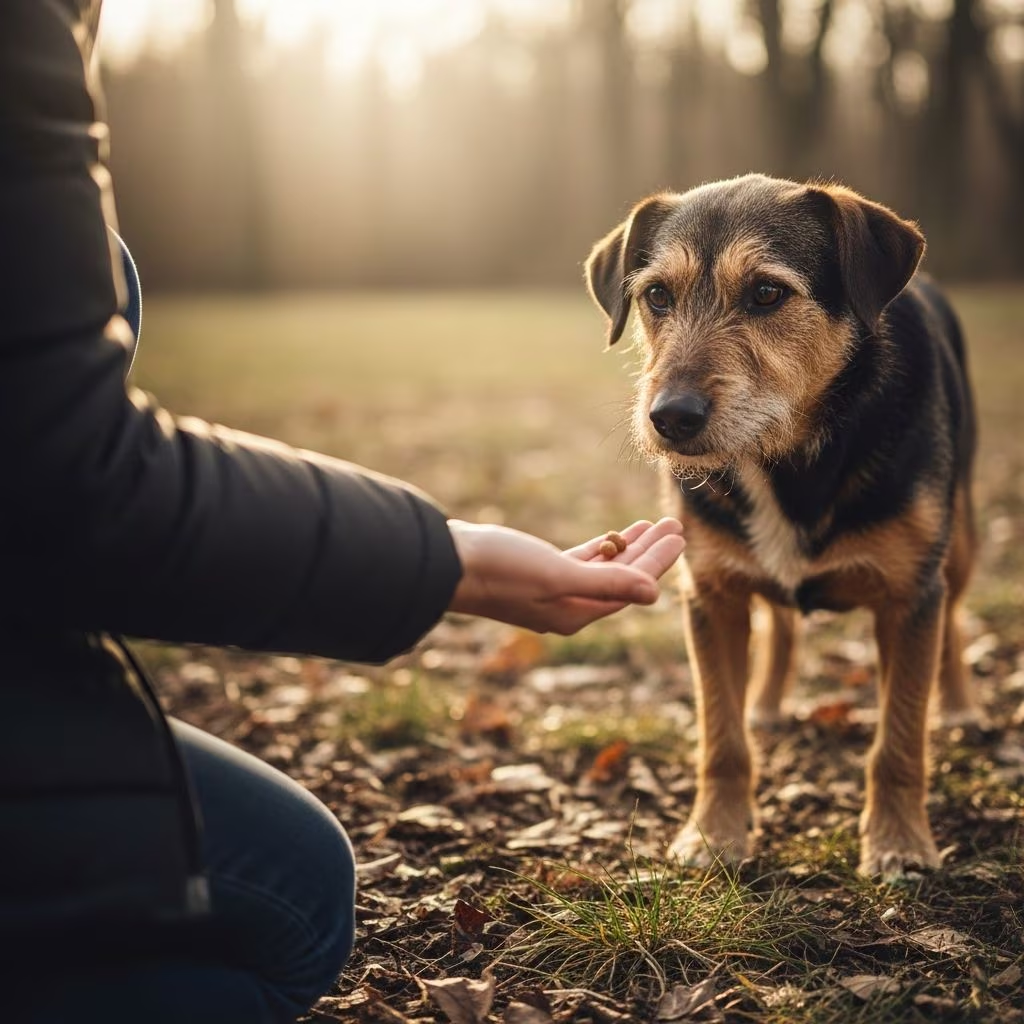
Feral dogs present a unique challenge for animal lovers and caretakers. These animals have had very limited or no contact with humans, which often results in extreme nervousness or fearfulness around people. Unlike stray dogs that may have once lived with families, feral dogs have had minimal human socialization and view people as potential threats rather than sources of comfort or care. However, with patience, understanding, and the right approach, it is entirely possible to help these vulnerable animals gradually overcome their fear and develop trust in people.
The journey of helping a feral dog learn to trust is not a quick process, and there is no universal timeline that applies to all dogs. Each animal progresses at their own pace based on their individual temperament, past experiences, and the quality of care they receive. This comprehensive guide will walk you through the essential strategies and techniques that have proven effective in building meaningful relationships with feral and extremely shy dogs.
Understanding Feral Dogs
Before attempting to help a feral dog, it is crucial to understand what distinguishes them from other categories of dogs. Feral dogs have never been socialized to human contact and lack the basic understanding that people can be safe or trustworthy. Their behavior is driven by survival instinct, and their reaction to humans is typically one of avoidance or defensive posturing.
Feral dogs differ significantly from stray dogs, which may have had prior human contact and socialization. While a stray dog might be more likely to approach a person for food or attention, a feral dog will actively avoid human interaction. Understanding this fundamental difference shapes the entire approach you must take when working with these animals. The goal is not to force interaction but to gradually demonstrate through consistent, non-threatening behavior that humans can be safe.
Building Trust in Shy and Feral Dogs
The Power of a Social Companion
One of the most effective strategies for helping feral dogs overcome their fear is introducing them to a well-socialized, friendly dog companion. Feral, fearful, and shy dogs often progress and succeed remarkably well when they have a social dog companion who can interact with them and serve as a role model for trusting people. This companion dog demonstrates through their own behavior that human interaction is safe and even enjoyable, providing a living example that the feral dog can observe and eventually emulate.
When selecting a companion dog, choose one with a calm, patient temperament and a proven history of getting along well with other dogs. The goal is to create an environment where the feral dog can observe positive interactions between the companion dog and their caretaker, gradually building confidence in the presence of humans.
The Importance of Space
The most critical principle in building trust with a feral dog is to give them space. This cannot be overstated. Unlike conventionally socialized dogs that may seek attention and affection, feral dogs need freedom to move about without pressure or forced interaction. The act of giving space actually demonstrates respect and builds the foundation for eventual trust.
In your home, interact with your other dog or dogs as you normally would. Engage in play, petting, and conversation while allowing your shy or feral dog the freedom to move about independently. Do not put unwanted pressure on the feral dog through actions such as forcing your hand out for them to sniff, initiating unsolicited petting, or making direct eye contact. These gestures, while well-intentioned, can feel threatening to a frightened animal and may actually set back the trust-building process.
Low-Pressure Interaction Techniques
As your feral dog begins to warm up to you—perhaps by following you through the house or staying in the same room while you are present—resist the urge to make a big deal of these small victories. Avoid excessive verbal praise or offering treats in response to these behaviors. Instead, simply assure the dog through your calm, consistent presence that you are someone they can be comfortable around without the stress of forced or demanded interaction.
With time and patience, as your dog naturally chooses to stay near you, you can begin to offer some light touch if they solicit that attention. Keep petting sessions brief—just a few seconds—and then stop before the dog becomes uncomfortable. This approach respects the dog’s boundaries and builds the foundations of a consent-based relationship where the dog learns that interactions happen on their terms, not yours.
Practical Strategies for Managing Feral Dogs
Physical Management Tools
Working with a feral or extremely shy dog requires practical solutions for safely managing the animal’s movement and ensuring their well-being. Here are essential techniques for day-to-day management:
- Use a long drag leash: Leaving a long drag leash on the dog allows you to safely move them from room to room or take them outside without having to physically restrain them or chase them around. This tool provides you with control while minimizing the stress of close contact that might frighten the dog.
- Create a safe outdoor space: If you have a yard, refrain from taking walks with your feral dogs until they are more comfortable with you and their surroundings. Once they begin to warm up to you, practice walking in your backyard first. This quieter, more familiar environment allows them to become acclimated to outdoor activities in a setting where they feel safer.
- Avoid threatening gestures: Never stare at the dog or make sudden movements, as these actions can be perceived as threatening. Approach the dog by walking on a curve rather than in a straight line toward them, as direct approaches can feel aggressive to a frightened animal.
- Use non-threatening body language: When you need to get closer to the dog, turn sideways and bend down rather than towering over them. This posture is less threatening and helps the dog feel less intimidated by your size and presence.
Respecting the Dog’s Autonomy
One of the most important principles when working with feral dogs is to allow them to approach people on their own terms rather than forcing the dog to tolerate someone’s presence or attention. This autonomy is fundamental to building genuine trust. When a dog chooses to approach a person, it represents a genuine step forward in their socialization journey. When a person forces interaction, it reinforces the dog’s fear and belief that people are unpredictable and potentially dangerous.
Create situations where the feral dog can observe positive human behavior and has the freedom to approach if and when they feel safe doing so. This might mean simply sitting quietly in the same room, engaging in your own activities, while the dog observes from a distance. Over time, curiosity will often override fear, and the dog may venture closer to investigate.
Environmental Considerations
Creating a Safe Haven
Feral dogs need to have a safe space where they can retreat if they feel threatened or overwhelmed. This might be a quiet room, a comfortable crate left open, or a corner away from household activity. Providing this sanctuary actually accelerates trust-building because the dog learns that they have control over their environment and can escape to safety whenever they need to.
Ensure that this safe space has comfortable bedding, access to fresh water, and is free from loud noises or sudden disruptions. Many feral dogs will gradually venture out from their safe space more frequently as they become more confident, but knowing the space exists provides the security they need to begin exploring.
Managing Household Dynamics
If you have multiple pets in your household, it is important to manage their interactions carefully. Other dogs that are boisterous or dominant may intimidate a feral dog rather than help them build confidence. Similarly, cats or other small animals may trigger prey drive, creating stressful situations. Take time to ensure that your household environment supports rather than hinders the feral dog’s gradual socialization process.
Nutrition and Basic Care
Proper nutrition is foundational to the physical and mental health of a feral dog. Provide high-quality food in a consistent location and schedule. Some feral dogs may initially be too anxious to eat while people are nearby, so consider feeding them in a separate, quiet area until they become more comfortable. Once they begin to relax, you can gradually move their feeding location closer to where you spend time, allowing them to associate your presence with positive experiences like mealtime.
Ensure the dog has constant access to fresh, clean water. Dehydration can exacerbate stress and anxiety, so maintaining proper hydration is important for both physical health and emotional well-being.
Veterinary Care and Health Concerns
Before beginning the socialization process, a feral dog should be assessed and treated by a veterinarian. This includes checking for parasites, infectious diseases, injuries, and other health concerns. Many feral dogs have been living rough and may be suffering from untreated medical conditions that contribute to their anxiety and fear. Addressing these health issues is an important part of helping the dog feel better physically, which often translates to improved emotional state and greater receptiveness to socialization efforts.
Timeline and Realistic Expectations
It is essential to approach the process of helping a feral dog with realistic expectations about timeline and progress. Some dogs may show signs of warming up within weeks, while others may take months or even years to become fully comfortable with human contact. There is no standard timeline because each dog’s history and temperament are unique.
Celebrate small victories—a dog choosing to stay in the same room as you, making brief eye contact, or eating while you are nearby are all significant steps forward. Progress may seem slow at times, and there may be setbacks, but consistency and patience are the keys to eventual success.
Common Challenges and Solutions
Setbacks and Regression
It is not uncommon for a feral dog to regress in their progress, especially if they experience a scary incident or change in their environment. A loud noise, a sudden visitor, or a trip to the veterinarian can trigger fear responses that seem to undo weeks of progress. When this happens, simply return to the basic principles of giving space and allowing the dog to move at their own pace. Regression does not erase the progress that has been made; it simply requires renewed patience and consistency.
Fear-Based Aggression
Some feral dogs may display defensive or aggressive behaviors rooted in fear rather than dominance. This is a natural response from an animal that feels threatened. Never punish fear-based aggression, as this will only increase the dog’s anxiety and reinforce their belief that people are dangerous. Instead, work with a qualified animal behaviorist to develop appropriate management strategies that keep everyone safe while the dog continues to build confidence.
When to Seek Professional Help
If you find yourself struggling with a particular feral dog or if behavioral issues develop, do not hesitate to consult with a professional animal behaviorist or trainer experienced in working with fearful dogs. These experts can provide personalized guidance based on your specific dog’s needs and circumstances. Some feral dogs benefit from additional support, and seeking help is a sign of commitment to the dog’s well-being, not a failure on your part.
Frequently Asked Questions
Q: How long does it take for a feral dog to trust people?
A: There is no set timeline. Some dogs may begin showing signs of trust within weeks, while others may take months or years. Each dog progresses at their own pace based on their individual temperament and history.
Q: Is it possible for a feral dog to ever be like a normal pet dog?
A: Many feral dogs can learn to be comfortable and trusting around their caretakers, though some may never achieve the level of relaxed domestication of a conventionally raised dog. However, a significant improvement in quality of life is absolutely achievable for most feral dogs with patience and proper care.
Q: Should I force interaction with a feral dog to help them socialize faster?
A: No. Forcing interaction typically frightens feral dogs and sets back the trust-building process. The best approach is to give them space and allow them to approach you when they feel ready. This builds genuine trust rather than forced compliance.
Q: Can a social dog companion really help a feral dog?
A: Yes. A calm, well-socialized companion dog can be tremendously helpful. The feral dog observes the companion’s positive interactions with people and learns that human contact can be safe and even enjoyable.
Q: What should I do if my feral dog shows signs of aggression?
A: Aggression in feral dogs is typically fear-based rather than dominance-based. Avoid punishment, which will increase their anxiety. Instead, consult with a professional animal behaviorist who can help develop safe management strategies.
Q: How often should I interact with a feral dog?
A: Rather than frequent forced interactions, maintain a calm, consistent presence in the dog’s environment. Let the dog dictate the pace and frequency of interactions. Simple coexistence in the same space, without demands, is often more effective than frequent attempts at direct contact.
Q: Is it necessary to take a feral dog for walks immediately?
A: No. Walking should be introduced gradually once the dog is more comfortable with you. Begin by practicing in a safe backyard before venturing into the wider neighborhood, allowing the dog to acclimate at their own pace.
References
- How to Help Feral Dogs Trust People — Best Friends Animal Society. 2025. https://bestfriends.org/pet-care-resources/how-help-feral-dogs-trust-people
- Five Freedoms of Animal Welfare — American Society for the Prevention of Cruelty to Animals (ASPCA). https://aspcapro.org/sites/pro/files/aspca_asv_five_freedoms_final_0_0.pdf
- Humane Animal Control Manual — Best Friends Animal Society. 2025. https://bestfriends.org/pet-care-resources/humane-animal-control-manual
- Free Pet Care Resources — Best Friends Animal Society. 2025. https://bestfriends.org/pet-care-resources
- What to Do if You’ve Found a Lost/Stray Dog or Cat — Best Friends Animal Society. 2025. https://bestfriends.org/pet-care-resources/what-do-if-youve-found-lost-stray-dog-or-cat



