

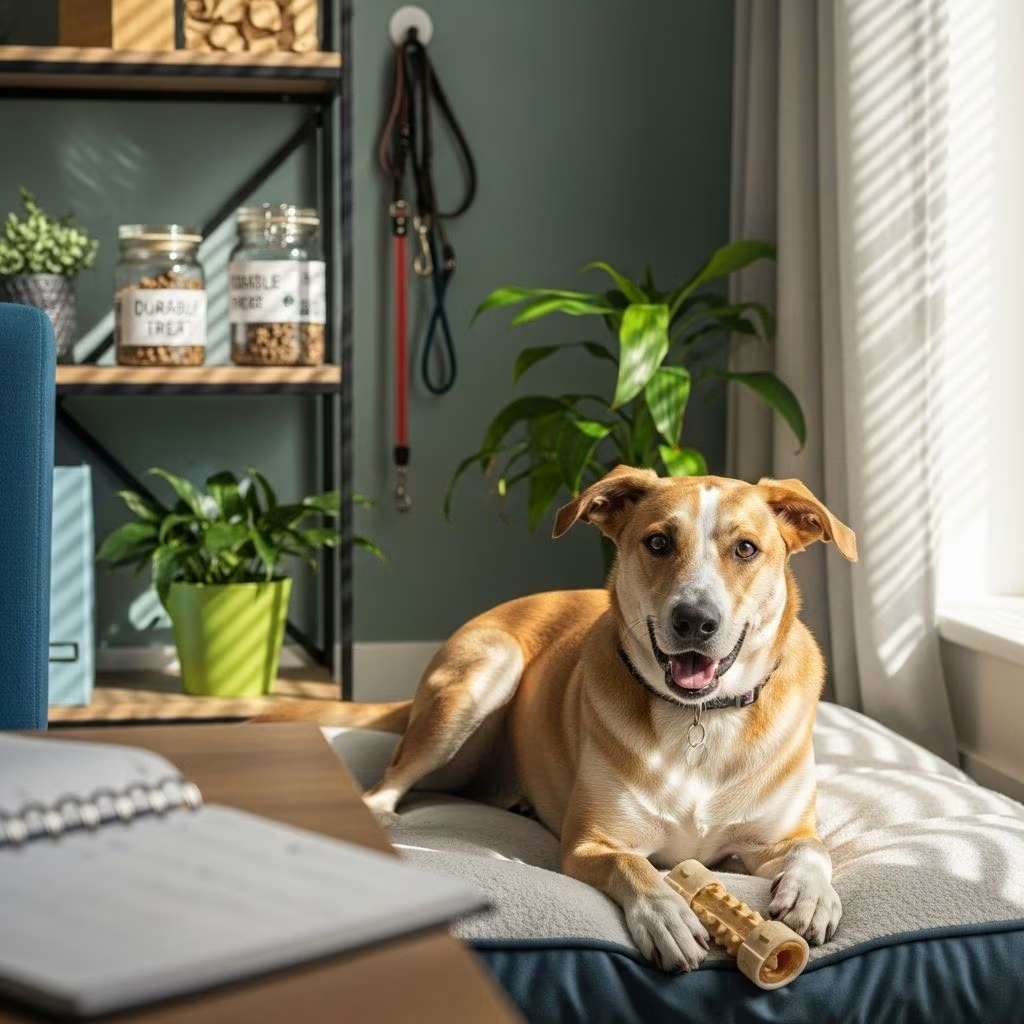
Life changes can be challenging for both humans and their furry companions. If you’ve recently adopted a dog who isn’t accustomed to significant social interaction and adventure, or perhaps your once-quiet lifestyle with your pup has suddenly become much busier, you may be wondering how to help your canine friend navigate these transitions successfully. Dogs are inherently social creatures with varying comfort levels in different environments, and adjusting to a busier lifestyle requires patience, planning, and positive reinforcement. This comprehensive guide provides evidence-based strategies from pet behavior professionals to ensure your dog thrives during periods of increased activity and social engagement.
Understanding Your Dog’s Social Needs
Before implementing any adaptation strategies, it’s essential to understand that dogs are highly social animals with individual temperaments and comfort levels. Some dogs might be perfectly content with the people and pets they live with but may feel anxious or wary around other social interactions. Recognizing your dog’s baseline behavior and anxiety triggers will help you develop a tailored approach to help them become more confident and comfortable in busier environments.
The key to successful adaptation is gradual exposure combined with positive associations. Rather than overwhelming your dog with sudden changes, introducing new experiences slowly and rewarding calm, positive behavior creates a foundation of confidence that will serve them well as their lifestyle becomes more active.
Helping Dogs Socialize Effectively
Socialization is one of the most critical components of helping your dog adapt to a busier lifestyle. Here are proven techniques to help your dog develop positive relationships with people and other animals:
Taking Your Dog on Walks with Friends
One of the most effective and low-pressure ways to increase your dog’s social exposure is through walks with friends. Start with people your dog has already met, though any familiar friend can work well. Here’s how to execute this strategy effectively:
– Have your friend meet you outside with your dog already on leash before the walk begins- Ask your friend to offer treats by gently tossing them to your dog rather than extending their hand for a sniff, which can make anxious dogs more nervous- Walk together naturally, maintaining a relaxed pace and conversation- Continue offering treats throughout the walk, rewarding your dog every time they look at or acknowledge your friend- This creates a positive association between your friend and pleasant experiences (treats and walks)
This approach works because it removes the pressure of direct interaction while allowing your dog to build confidence around new people in a familiar setting. The treats serve as a bridge, helping your dog associate your friend’s presence with good things happening.
Inviting People to Your Home
Home-based socialization can be equally effective and often feels safer for anxious dogs. When hosting friends, use these techniques to build positive associations:
– Brief your visitors before they arrive on how to interact with your dog- Ask them to toss treats to your dog when they enter, rather than attempting to pet or handle your dog directly- Encourage your visitors to continue offering treats whenever your dog looks at them or acknowledges their presence- If you have multiple dogs, ensure each dog receives separate treats to prevent resource guarding or conflict- If your dog is toy-motivated rather than food-motivated, a quick game of tug can be equally rewarding
This method capitalizes on your dog’s home territory, where they feel most secure. The predictable, treat-based interactions help build confidence gradually without forcing your dog into uncomfortable situations.
The “Look at That” Training Plan
For dogs who are taking an extended time to adjust to meeting new people or those exhibiting minor to moderate shyness, the “Look at That” training protocol can be incredibly beneficial. This structured training approach helps dogs learn to remain calm and focused on their handler when encountering new people, rather than displaying anxious or reactive behaviors.
This technique works by redirecting your dog’s attention to you when they notice something that might cause anxiety, creating a positive behavioral pattern and increasing your dog’s confidence in social situations. Over time, your dog learns that new people and situations are manageable and often result in positive outcomes.
Professional Help for Serious Behavioral Issues
While the above techniques work well for dogs exhibiting minor to moderate shyness or social discomfort, some dogs display more serious behavioral challenges such as lunging at people, resource guarding, or severe fear-based aggression. In these cases, professional intervention from a certified animal behavior consultant is essential for everyone’s safety.
You can locate qualified professionals through the International Association of Animal Behavior Consultants, which maintains a directory of certified behaviorists in your area. These experts can assess your dog’s specific issues and develop a customized behavior modification plan.
Considering Basket Muzzle Training
If you have concerns about safety during the socialization process, basket muzzle training can provide peace of mind while your dog works through behavioral challenges. An important misconception is that muzzled dogs cannot receive treats; in fact, dogs can still enjoy treats through a properly fitted basket muzzle, allowing you to continue reward-based training even with this safety tool in place.
Preparing Your Dog for Travel
As your lifestyle becomes busier, travel—whether by car, plane, or to new accommodations—often becomes part of the picture. Many dogs find travel bewildering and stressful, but proper preparation can transform travel from an anxiety-inducing experience into something your dog handles confidently.
Gradual Car Acclimation
One of the most common oversight dog owners make is assuming their dog will automatically be comfortable in a car. The motion, sounds, and sensation of vehicle travel can be completely foreign and unsettling to dogs without prior exposure. Build your dog’s car confidence gradually:
– Start with very short car rides around the block, just a few minutes in duration- Allow your dog to acclimate to the sensation of movement and vehicle sounds- Gradually increase the duration of rides over several weeks or months- Only after your dog demonstrates comfort with short trips should you attempt longer journeys- Before embarking on a cross-country adventure, ensure your dog is genuinely comfortable with extended car rides
This methodical approach prevents car anxiety from developing and ensures that when you do need to travel longer distances, your dog won’t add stress to the experience through excessive panting, whining, or destructive behavior.
Hotel and Rental Accommodations Preparation
When booking pet-friendly hotels or vacation rentals, consider practical factors that impact your dog’s comfort and your ability to manage them:
Elevator and Stair Considerations: Contact your accommodation in advance to determine whether you’ll need to use an elevator or stairs to access your room. If your dog has limited experience with elevators, practice elevator rides at your local mall or office building before your trip. If the only accessible route involves stairs and your dog is unfamiliar with them, request a first-floor room when available. This simple planning step prevents stressful situations on vacation.
Alone Time Preparation: Most vacations involve times when you’ll need to leave your dog alone in your hotel room or rental. Prepare for these situations by:
– Bringing a properly-sized crate from home with familiar bedding and scent- Ensuring your dog is fully crate-trained before your trip (this should be done at home, not for the first time during vacation)- Packing safe toys and enrichment items to keep your dog occupied- Starting with short absences and gradually building tolerance before the trip
Maintaining Behavioral Consistency During Travel
One of the most overlooked aspects of travel preparation is behavioral consistency. Your dog’s training doesn’t take a vacation, and maintaining familiar cues and routines during travel provides significant psychological comfort:
– Continue practicing basic cues like “sit,” “stay,” and “come” at your travel destination- Maintain feeding schedules and routines as much as possible- Use these familiar commands in new environments to reinforce that your dog’s skills remain reliable- This consistency builds your dog’s confidence by providing a sense of predictability and control
The outside world becomes less intimidating when your dog knows that “sit” always means “sit,” regardless of location or circumstances. This two-way communication not only provides quality bonding time but also gives your dog confidence and reassurance that they can rely on familiar routines and your guidance, even when everything else feels new and overwhelming.
Creating a Supportive Environment for Adaptation
Beyond specific training techniques, the overall environment you create significantly impacts your dog’s ability to adapt to a busier lifestyle. Ensure your dog has:
– A quiet, safe space where they can retreat when overwhelmed- Consistent exercise and mental stimulation appropriate to their age and breed- Regular veterinary check-ups to rule out underlying health issues that might contribute to anxiety- A predictable daily routine, even as your activities increase- Quality one-on-one time with you to maintain your bond
Key Takeaways for Success
Helping your dog adapt to a busier lifestyle is a gradual process that requires patience, consistency, and positive reinforcement. The most important principles to remember are:
– Socialization should progress at your dog’s pace, never rushing or forcing interactions- Positive associations with new experiences, people, and situations are built through rewards and pleasant experiences- Travel and new environments require advance preparation and gradual exposure- Maintaining behavioral consistency across settings increases your dog’s confidence- Professional help should be sought for serious behavioral concerns- Your dog’s comfort and mental health should remain the priority as you increase activity levels
Frequently Asked Questions
Q: How long does it typically take for a dog to adapt to a busier lifestyle?
A: The adaptation timeline varies significantly based on your dog’s age, temperament, previous experiences, and the extent of lifestyle changes. Some dogs may show improvement within weeks, while others—particularly rescue dogs or those with previous trauma—may require several months of consistent, patient work. Consistency and positive reinforcement speed up the process.
Q: Can older dogs adapt to busier lifestyles, or is this better for younger dogs?
A: Dogs of all ages can adapt to lifestyle changes, though the approach may differ. Older dogs sometimes appreciate gentler transitions and may tire more easily, but they often have the advantage of established training and maturity. Puppies may adapt more quickly but require more frequent breaks and shorter exposure periods.
Q: What if my dog shows signs of extreme anxiety during the adaptation process?
A: Extreme anxiety may warrant consultation with your veterinarian to rule out medical issues and potentially discuss anxiety management options. A certified animal behavior consultant can develop a customized behavior modification plan. Never force anxious dogs into situations; professional guidance ensures safe, effective progress.
Q: Is crate training necessary for travel, or are there alternatives?
A: While crate training provides safety and security for travel, alternatives include secure car harnesses or barriers. However, crate training offers multiple benefits beyond travel, including house-training assistance and creating a safe haven. Many veterinarians recommend proper crate training as part of responsible dog ownership.
Q: How can I tell if my dog is becoming more comfortable with social interaction?
A: Signs of increasing comfort include approaching new people voluntarily, maintaining relaxed body language, accepting treats from strangers, engaging in play, and showing fewer stress signals like excessive panting, trembling, or cowering. Celebrate these milestones as indicators of successful adaptation.
References
- How to Help Dogs Adapt to a Busier Lifestyle — Best Friends Animal Society. 2024. https://bestfriends.org/pet-care-resources/how-help-dogs-adapt-busier-lifestyle
- Tips for Picking a Pet Who’s Right for Your Lifestyle — Best Friends Animal Society. 2024. https://bestfriends.org/pet-care-resources/tips-picking-pet-whos-right-your-lifestyle
- International Association of Animal Behavior Consultants — IAABC. 2024. https://iaabc.org
- Companion Animals and Public Health — U.S. Centers for Disease Control and Prevention. 2024. https://www.cdc.gov/healthypets/index.html



