

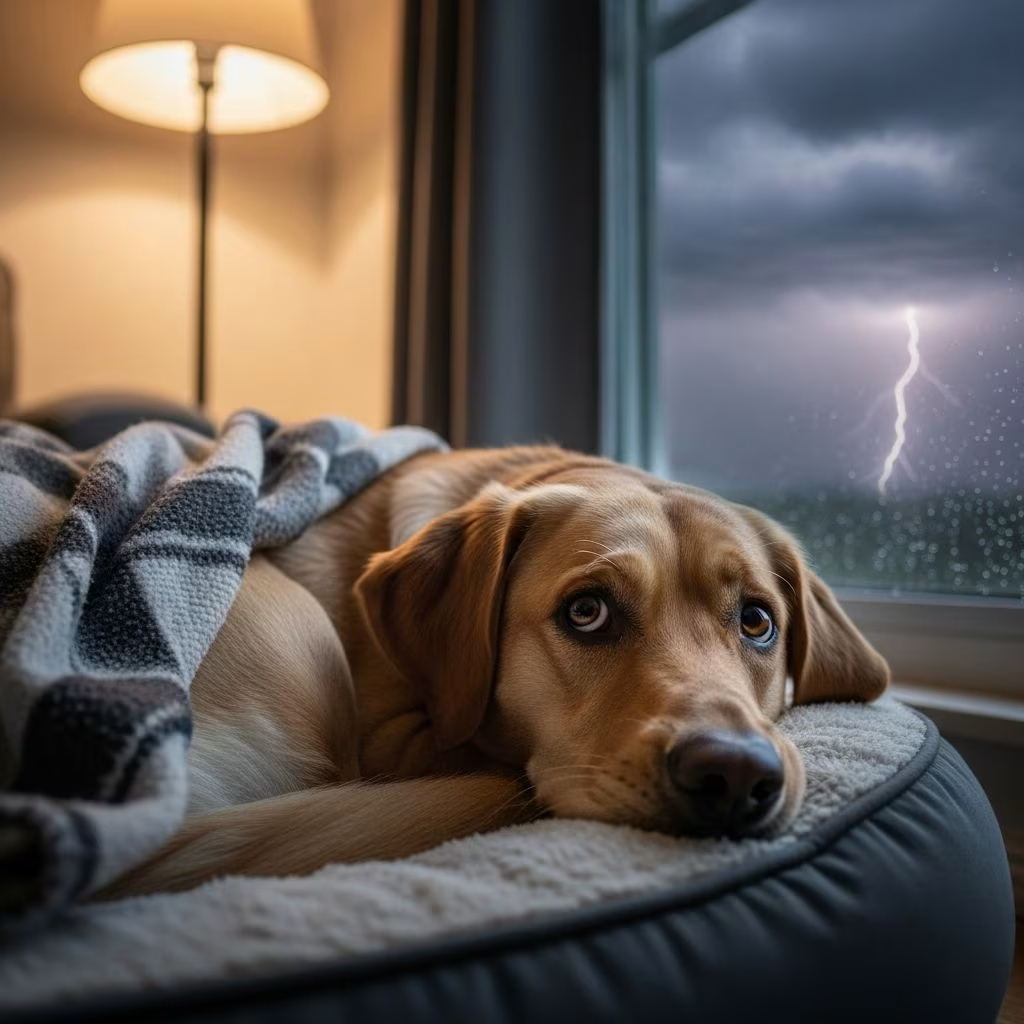
How to Help a Dog Scared of Thunder
Many dogs experience fear and anxiety when thunderstorms roll in, and this reaction is more common than you might think. Beyond thunder, dogs may also become frightened by other loud sounds such as fireworks, cars backfiring, and construction noise. The way each dog copes with these noise-related fears varies significantly. Some dogs attempt to escape the noise, others become destructive or aggressive, while some prefer to hide in quiet corners of the home. Understanding your dog’s unique response to these stimuli is crucial for providing appropriate support and comfort.
A critical aspect of helping a frightened dog is recognizing that recovery from a thunderstorm can take several hours or even longer. Your dog’s nervous system needs time to fully decompress after the stressful experience. This extended recovery period means you should remain patient and supportive throughout the entire process, not just during the storm itself. By acknowledging this need for time and relaxation, you can help your dog gradually return to a normal state of calm.
Understanding Why Dogs Fear Thunder
Dogs have significantly more sensitive hearing than humans, allowing them to detect thunder and other loud noises long before we can perceive them. This heightened auditory sensitivity means what seems like a mild rumble to us can feel like an overwhelming assault on their ears. Additionally, dogs may detect changes in barometric pressure and even static electricity in the air that humans cannot sense. These multi-sensory experiences during storms create a complex anxiety response that combines physical discomfort with emotional distress.
How to Calm a Dog Scared of Thunder
When you anticipate an approaching thunderstorm, taking proactive steps can significantly reduce your dog’s anxiety levels before the storm arrives.
Create a Safe, Comfortable Space
One of the most effective strategies is to establish a designated safe space where your dog can retreat during storms. Allow your dog to guide you to their preferred location—this might be a favorite corner, closet, bathroom, basement, or interior room. Once you’ve identified the spot, make it comfortable by adding soft bedding, blankets, or a cozy dog bed. This safe space should be removed from windows and exterior walls where lightning and wind sounds are most prominent. If your dog prefers their crate, cover it with a blanket to create a den-like atmosphere that muffles sound and blocks visual stimuli like lightning flashes.
Muffle Sounds with Background Noise
Creating auditory masking is an excellent way to reduce your dog’s exposure to thunder. Turn on music, your television, or white noise machines to help drown out the sound of thunder and other storm noises. Classical music is particularly effective at calming dogs, as research has shown it has soothing properties for anxious pets. The combination of background noise with your dog’s safe space creates a more comfortable environment where the frightening sounds become less prominent and less distressing.
Provide Distraction and Engagement
As the storm intensifies, your dog’s ability to stay relaxed may diminish. Before anxiety peaks, try engaging them in their favorite activities. Play games they enjoy, hand-feed them special treats they only receive during storms, or practice commands they know in exchange for rewards. These positive activities serve a dual purpose: they distract your dog from the storm while also creating positive associations with the storm experience. Keep high-value treats and engaging toys readily available for immediate use.
Offer Appropriate Comfort
There is a common misconception that comforting a frightened dog will reinforce their fear. However, this is not accurate. Fear is an emotional response controlled by your dog’s nervous system, not a learned behavior that can be reinforced through attention. It is perfectly appropriate to stay with your dog, speak in soothing tones, and provide gentle reassurance during a storm. Pet your dog with long, calming strokes if they enjoy physical contact. However, it’s equally important to respect your dog’s boundaries. If your dog prefers solitude or becomes stressed by physical contact, allow them to have space. Never force affection on a stressed, anxious, or uncomfortable dog.
Use Calming Products
Several commercially available products can help reduce your dog’s thunder-related anxiety. Thundershirts and similar anxiety wraps provide gentle, sustained pressure that has a calming effect on many dogs. Additionally, certain supplements and pheromone products designed to reduce canine anxiety may help. When considering any product, consult with your veterinarian to ensure it’s appropriate for your dog’s age, health status, and specific needs.
Behavior Modification Techniques
If your dog’s fear is not severe, behavior modification can be an effective long-term solution. This approach involves gradually desensitizing your dog to storm sounds through controlled exposure.
Desensitization Process
Begin by obtaining a recording of thunderstorm sounds or whatever noise is causing your dog distress. Play the recording at very low volume while your dog engages in activities they genuinely enjoy. This might include playing games, grooming sessions, hand-feeding treats, or practicing obedience commands in exchange for rewards. The goal is to create positive associations with the sound. Over time, you can very gradually increase the volume as long as your dog remains relaxed and engaged with the positive activity.
Gradual Progression
The key to successful behavior modification is patience and gradual progression. Moving too quickly or raising the volume too fast can reverse progress and reinforce fear rather than reduce it. Many dogs respond well to this gradual desensitization approach, though results can take weeks or even months to achieve. Consistency is essential—practice these exercises regularly during calm periods when storms are not occurring.
Additional Strategies for Storm Safety
Beyond calming techniques, there are practical safety measures you should implement during thunderstorms:
- Never leave your dog outside during a thunderstorm. Frightened dogs may bolt and run away, injure themselves trying to escape, or be struck by lightning.
- Ensure updated identification through current ID tags and microchip registration in case your dog escapes during a storm-induced panic.
- Close windows and doors to reduce noise penetration and prevent escape attempts.
- Stay indoors with your pet, especially during severe weather warnings.
- Avoid punishment for any storm-related behavior, including destruction or house soiling, as this will increase anxiety and worsen the phobia.
When to Seek Professional Help
While many dogs can be helped through environmental modifications and behavior training, some may require additional professional intervention. If your dog’s anxiety is severe, causing significant behavioral problems, or not improving with at-home strategies, consult your veterinarian. They may recommend prescription medications, anxiety supplements, or referral to a certified professional dog trainer or veterinary behaviorist. In a clinical study, 30 out of 32 dogs showed significant improvement in their thunderstorm phobia symptoms when treated with appropriate medication combined with behavior modification techniques.
Long-Term Management Considerations
Most dogs cannot be completely cured of thunderstorm phobias, but the condition can be effectively managed with the right approach. Success often requires combining multiple strategies tailored to your individual dog’s needs and preferences. What works well for one dog may not work for another, so be prepared to experiment and adjust your approach accordingly. Maintaining detailed records of what works best during storms can help you refine your strategy over time.
Frequently Asked Questions
Q: Can I prevent my dog from developing thunderstorm phobia?
A: Early, positive exposure to storms during puppyhood can help, though some dogs may still develop phobias due to genetic predisposition. Avoid punishing fearful behavior and try to remain calm yourself, as dogs pick up on human emotions.
Q: Will comforting my dog during a storm make their fear worse?
A: No. Fear is an emotion controlled by the nervous system, not a learned behavior. Offering comfort does not reinforce fear. However, always respect your dog’s boundaries and allow them space if they prefer it.
Q: How long does it take for behavior modification to work?
A: Behavior modification can take weeks to months to show significant results. Consistency with desensitization exercises is crucial, and patience is essential throughout the process.
Q: Are there medications for thunderstorm anxiety in dogs?
A: Yes, your veterinarian may prescribe anti-anxiety medications or sedatives to help manage severe thunderstorm phobia, especially when combined with behavior modification.
Q: What should I do if my dog has a panic attack during a storm?
A: Stay calm yourself, do not punish your dog, and allow them access to their safe space. Offer comfort if they seek it, and consider speaking with your veterinarian about anti-anxiety options for future storms.
Q: Can I use headphones to block storm sounds from my dog?
A: While unconventional, some dogs can be conditioned to wear headphones during non-stressful times to help reduce auditory stimulation during storms, though most dogs prefer other methods.
Summary: Key Takeaways
Helping a dog overcome thunderstorm anxiety requires patience, understanding, and a multi-faceted approach. Start by creating a safe, comfortable space where your dog can retreat during storms. Use background noise, distraction, and appropriate comfort to help them remain calm. Consider using anxiety-reducing products like Thundershirts, and explore behavior modification techniques for long-term improvement. Always respect your dog’s emotional needs, avoid punishment, and consult your veterinarian if anxiety is severe or not improving. With consistent effort and the right strategies, most dogs can learn to manage their thunderstorm anxiety and experience less distress during storms.
References
- How to Help a Dog Scared of Thunder — Best Friends Animal Society. https://bestfriends.org/pet-care-resources/how-help-dog-scared-thunder
- Thunderstorm Phobias in Dogs: How to Manage Dog Storm Anxiety — PetMD. https://www.petmd.com/dog/conditions/behavioral/c_dg_thunderstorm_phobias
- 5 Steps to Help Your Dog Feel Safe During a Storm — Greater Good. https://greatergood.org/blog/misc/5-steps-to-help-your-dog-feel-safe-during-a-storm
- Understanding Thunderstorm Anxiety in Dogs — American Kennel Club. https://www.akc.org/expert-advice/training/dog-scared-of-thunder/
- You Can’t Reinforce Fear; Dogs and Thunderstorms — Patricia McConnell. https://www.patriciamcconnell.com/theotherendoftheleash/you-cant-reinforce-fear-dogs-and-thunderstorms/



