

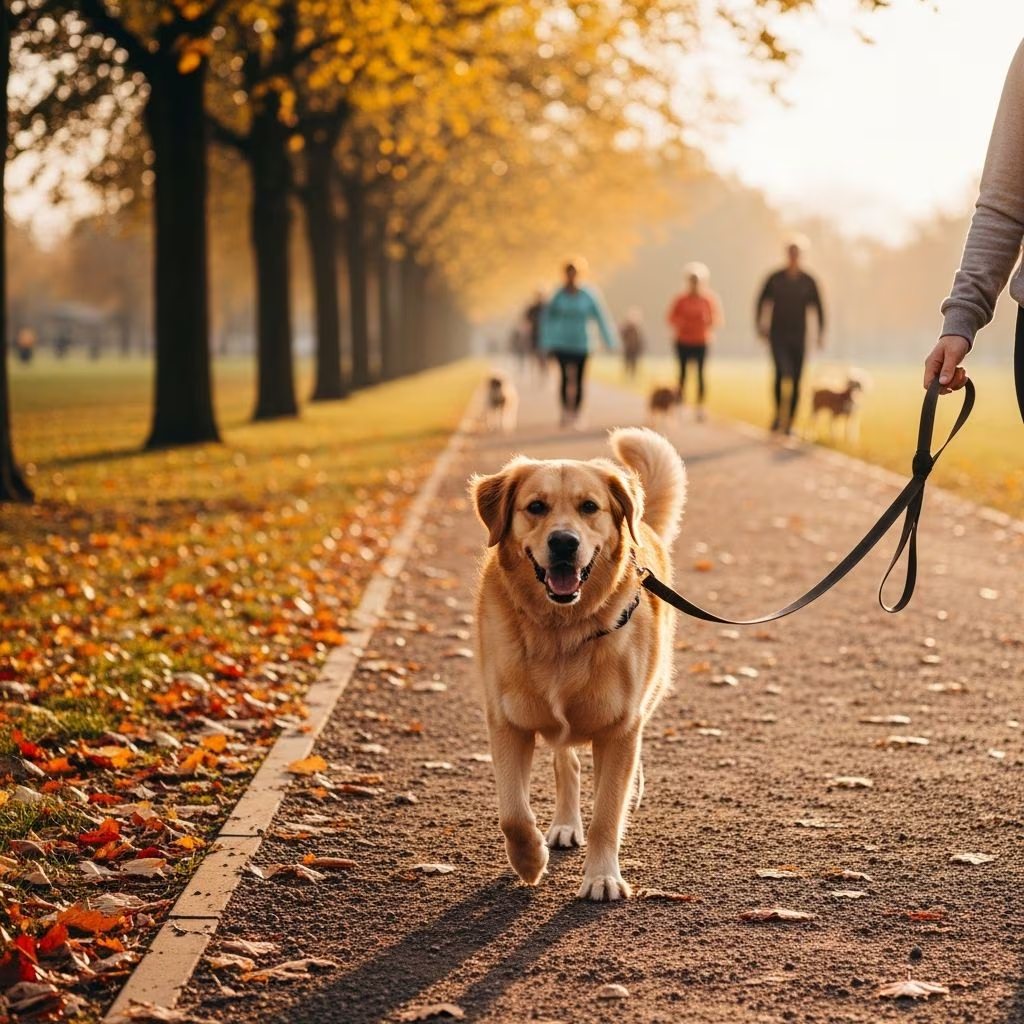
How To Help Your Dog Lose Weight
If your veterinarian has recently mentioned that your pup is carrying a few extra pounds, or if you’ve noticed your dog gaining weight over recent months, you’re not alone. Pet obesity is a growing concern affecting a significant portion of dogs across the country. The good news is that with dedication, proper guidance, and a structured approach, you can help your furry companion achieve and maintain a healthy weight. This comprehensive guide will walk you through evidence-based strategies to support your dog’s weight loss journey.
Understanding Your Dog’s Body Condition Score
Before embarking on a weight loss plan, it’s essential to understand what a healthy weight looks like for your dog. Veterinarians use a body condition scoring system that rates dogs on a scale of 1 to 9, with specific guidelines helping you assess whether your pup is at an ideal weight.
The scoring system breaks down as follows: scores of 1-3 indicate an underweight dog, scores of 4-5 represent the ideal weight range, and scores of 6-9 suggest overweight to obese conditions. To accurately assess your dog’s condition, pay attention to three key physical indicators.
Ribs: At an ideal score of around 4-5, you should be able to feel your dog’s ribs easily under a thin layer of fat without them being prominently visible. Waist: When viewed from above, your dog should display a visible waist behind the ribs. Abdominal tuck: When observing your dog from the side, there should be an upward slope (tuck) from the chest to the abdomen. If your dog scores higher on the scale, you may notice excess fat deposits over the ribs, back, and tail base, with little to no visible waist or tuck.
Steps to Help Your Dog Lose Weight
Once you’ve determined that your dog needs to lose weight, several practical strategies can help facilitate safe and sustainable weight loss. Each approach addresses different aspects of your dog’s lifestyle and dietary habits.
Decrease Calorie Intake
The foundation of any successful weight loss program involves reducing your dog’s daily caloric consumption. With veterinary guidance, aim to reduce your dog’s food intake by 10-25% from their current amount. This reduction should be done gradually and under professional supervision to ensure your dog receives adequate nutrition.
Accurate portion measurement is crucial to the success of this strategy. Use a dog food scoop to measure portions precisely at each meal, rather than free-feeding or using inconsistent amounts. Most dogs require approximately 25-30 calories per pound of their ideal body weight daily, so consulting with your veterinarian about a target daily calorie amount is essential.
Keep detailed records and weigh your dog once every other week to track progress. This regular monitoring allows you to assess whether your current caloric reduction is achieving the desired weight loss rate. Dogs can safely lose 1-2% of their body weight each week; if your dog is not losing weight at this rate, speak with your veterinarian about making safe adjustments to the plan.
Cut Down on Treats
Treats and human food snacks contribute significantly to excess calorie consumption in dogs. Calories from treats add up quickly, and even well-intentioned nibbles like bacon, cheese, or toast pieces during mealtimes can sabotage weight loss efforts. For dogs undergoing weight loss, treats should make up no more than 10% of daily caloric intake, and for obese dogs, treats might need to be temporarily eliminated entirely.
Rather than removing treats completely, consider switching to low-calorie alternatives. Excellent options include snap peas, carrots, blueberries, and air-popped popcorn, which provide satisfaction without excess calories. You can also repurpose a piece of your dog’s regular kibble as a training or reward treat. When selecting commercial dog treats, look for options made purely of animal protein or those with minimal calories, such as freeze-dried chicken or fish treats.
Slow Down Their Eating
Many dogs eat quickly without properly chewing their food, which can lead to overeating before the brain registers fullness. Slowing down your pet’s meals serves multiple purposes: it helps your dog feel fuller and more content with smaller portions, aids in proper digestion, and reduces the risk of choking or gastrointestinal issues.
Slow feeders and interactive dog bowls are specifically designed to make eating a longer, more deliberate process. These products feature obstacles, elevated sections, or compartments that force your dog to work around them while eating, naturally extending mealtime. Many excellent options are available at various price points, allowing you to find a solution that fits your budget and your dog’s size.
Opt for Dog Weight-Loss Food
For dogs with significant amounts of weight to lose, prescription weight-loss veterinary diets offer a more targeted approach than simply reducing portions of regular kibble. These specialized formulas are specifically engineered to promote fat loss while preserving lean muscle mass, a crucial distinction that regular diet restriction doesn’t always achieve.
Weight-loss dog foods typically contain increased fiber content, which increases satiety and helps your dog feel fuller for longer periods. These diets also support metabolism and are formulated to ensure your dog receives complete and balanced nutrition despite the reduced caloric content. Speaking with your veterinarian about whether a prescription weight-loss diet is appropriate for your dog can significantly enhance the effectiveness of your weight loss program.
Increasing Exercise and Physical Activity
While diet forms the foundation of weight management, increasing your dog’s physical activity is equally important for achieving and maintaining a healthy weight. Exercise helps burn calories, improves overall fitness, enhances mental stimulation, and strengthens the bond between you and your pet.
The type and intensity of exercise should be tailored to your individual dog’s health status, age, breed, and fitness level. Always consult with your veterinarian before starting a new exercise program, especially for dogs who have been relatively sedentary or those with existing health concerns.
Recommended exercise options include:
- Longer and more frequent walks—aim for at least two 20-30 minute walks daily
- Interactive play sessions with toys or games
- Swimming or water-based activities, which provide low-impact exercise
- Playing fetch or using ball launchers
- Agility exercises or obstacle courses
- Running up hills or stairs
Start with a gradual exercise program and increase time and intensity slowly over several weeks. This approach prevents injury and allows your dog’s cardiovascular system to adapt to increased activity. For apartment dwellers or those without easy access to open spaces, taking the stairs instead of the elevator or finding nearby parks with trails can provide engaging exercise opportunities.
Monitoring Progress and Adjusting Your Plan
Successful weight loss requires consistent monitoring and willingness to adjust your approach as needed. Establish a baseline weight at your veterinarian’s office and weigh your dog regularly—ideally every other week. Keep detailed records of weight changes, food portions, treats given, and exercise frequency. This documentation helps identify patterns and allows you to make informed adjustments if progress stalls.
Weight loss in dogs should be gradual and sustainable. Rapid weight loss can lead to metabolic stress and nutritional imbalances. If your dog isn’t losing weight at the expected rate of 1-2% of body weight per week, schedule a follow-up appointment with your veterinarian. They can rule out underlying medical conditions like hypothyroidism that may be contributing to weight gain and suggest adjustments to your program.
Addressing Underlying Health Conditions
Before implementing a weight loss program, it’s important to rule out any underlying medical conditions that could be contributing to weight gain. Conditions such as hypothyroidism, Cushing’s disease, and other metabolic disorders can cause or exacerbate obesity in dogs. Your veterinarian may recommend blood work or other diagnostics to identify these issues.
If a medical condition is present, it must be treated alongside any weight-loss strategies. Addressing the root cause ensures that your weight loss efforts are effective and sustainable, and it prevents the condition from causing additional health problems.
Frequently Asked Questions
Q: How long does it take for a dog to lose weight?
A: Your dog can safely lose 1-2% of their body weight each week with proper diet and exercise modifications. The timeline for reaching goal weight depends on how much weight your dog needs to lose and how consistent you are with the weight loss plan. Most dogs show noticeable results within 4-8 weeks of beginning a structured program.
Q: What can I give my dog to lose weight fast?
A: Dogs shouldn’t lose weight quickly, as rapid weight loss can be dangerous. Similar to humans, dogs should lose weight gradually by decreasing caloric intake by approximately 10-20% and increasing exercise in a sustainable manner. Prescription weight-loss diets are often recommended for dogs with significant weight to lose, as these formulas ensure proper nutrition while reducing calories.
Q: What is the fastest way for a dog to lose weight?
A: Safe weight loss takes time, but the most effective approach combines multiple strategies: switching to a weight-control dog food, controlling portions strictly, increasing daily exercise, reducing treats, and ensuring regular veterinary monitoring. This multi-faceted approach yields better results than any single strategy alone.
Q: Can obesity shorten my dog’s lifespan?
A: Yes, obesity in dogs is associated with numerous health complications that can significantly impact quality of life and longevity. Overweight dogs are at increased risk for diabetes, joint problems, heart disease, and other serious conditions. Maintaining a healthy weight is one of the most important factors in promoting your dog’s long-term health and extending their lifespan.
Q: Should I use human snacks as treats during weight loss?
A: No, human food should be completely avoided during weight loss periods. Foods like peanut butter, cheese, bacon, and bread crusts are calorie-dense and can quickly derail your dog’s weight loss efforts. That single spoonful of peanut butter or piece of toast can represent a significant portion of your dog’s daily calorie allowance, making it impossible to achieve weight loss goals.
References
- How To Help Your Dog Lose Weight — Chewy Education. Accessed November 2025. https://www.chewy.com/education/dog/training-and-behavior/how-to-help-dog-lose-weight
- What To Know About Dog Obesity — Chewy Education. Accessed November 2025. https://www.chewy.com/education/dog/health-and-wellness/dog-obesity
- Help Your Dog Lose Weight With a Slow Feeder — Chewy Education. Accessed November 2025. https://www.chewy.com/education/dog/food-and-nutrition/speed-pets-weight-loss-slow-feeder
- Healthy Weight Management Tips for Dogs — Stella & Chewy’s. Accessed November 2025. https://www.stellaandchewys.com/blogs/articles/how-to-feed-your-dog
- How Much Exercise Does a Dog Need? What To Know for Your Pup — Chewy Education. Accessed November 2025. https://www.chewy.com/education/dog/health-and-wellness/how-much-exercise-does-a-dog-need
- Which Type of Exercise is Right for Your Dog? — Chewy Education. Accessed November 2025. https://www.chewy.com/education/dog/health-and-wellness/health-pet-fitness-which-type-of-exercise-is-right-for-your-dog



